
Plants
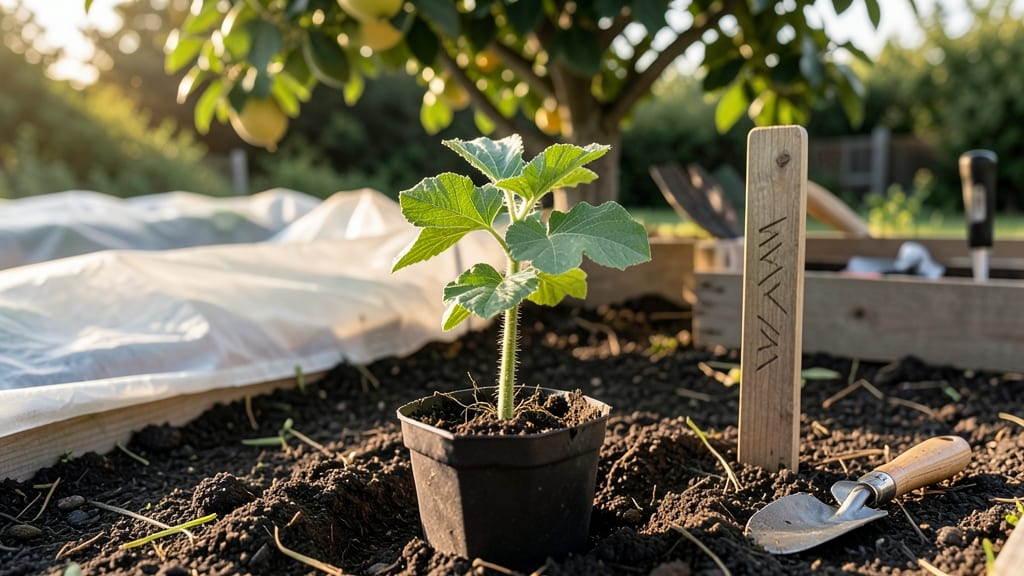
Plant cantaloupe in Zone 6 after your last frost, when soil temperatures hit at least 70°F—typically between mid-May and early June.
Those golden 🍉 melons need warmth to thrive, but rushing them into cold ground risks stunted growth or frost damage. In Zone 6, where summers are short, timing is critical: plant too early, and your vines may struggle; too late, and you’ll miss the harvest window entirely.
This guide breaks down the exact dates to aim for, how to protect young plants from late frosts, and which varieties mature fast enough to beat Zone 6’s early fall chill.
You’ll also learn how to use mulch and row covers to extend your growing season, ensuring sweet, ripe cantaloupes before the first frost arrives.
Optimal planting dates for cantaloupe in Zone 6 (with frost risk analysis)
Zone 6 gardeners face a critical 165-day frost-free window for cantaloupe success. Planting too early risks frost damage to young vines, while waiting too late shortens harvest time. The key lies in soil temperature thresholds and microclimate variations that can shift planting windows by 2-3 weeks within the same zone.
Cantaloupes require soil temperatures above 60°F to germinate and 70°F+ for optimal growth. In Zone 6, this typically aligns with late May to early June in most areas, but your exact dates depend on whether you're using direct sowing or transplants and your local microclimate.
Here's the frost risk breakdown for Zone 6: The average last frost date is April 15, but late frosts can occur until May 10 in colder microclimates. First frosts typically arrive October 15, but early frosts may happen as soon as September 20.
This 165-day window leaves little room for error with cantaloupe's 75-90 day maturity.
🌱
For direct sowing, aim for May 15 to June 1 when soil consistently stays above 60°F. This gives cantaloupes enough time to mature before first frosts in mid-October.
I've found that using a soil thermometer is worth the investment—planting when soil hits 70°F gives a 2-week head start on growth.
If you prefer transplants, start them indoors 4-6 weeks before your target outdoor date. This lets you plant May 1-15 when soil is still warming. Just be ready to cover young plants if late frosts threaten, as transplants can handle 55°F soil with protection.
Your local microclimate matters. Urban areas often warm 1-2 weeks faster than rural spots due to heat island effect. Check with your local Cooperative Extension office for precise frost dates—they can adjust your planting window by up to 3 weeks compared to general Zone 6 averages.
For extended season planting, use black plastic mulch or row covers to push dates back to April 20-May 10. This works best with fast-maturing varieties like 'Minnesota Midget' (60 days) and requires daily frost monitoring.
I've had success with this method in sheltered south-facing beds where cold air pools less.
Late planting after June 10 is risky but possible with heat-tolerant varieties. Expect smaller yields and harvest by September 10 before frosts arrive. This approach works best in southern Zone 6 areas like Northern Virginia or Southern Indiana where summers are longer.
🌿
How to extend your cantaloupe growing season in Zone 6 (cold protection hacks)
Zone 6’s short frost-free season (165 days) makes cantaloupe growing a challenge—but with the right strategies, you can push your harvest window earlier or later. The key is protecting young plants from late spring frosts and extending warmth into fall evenings.
I’ve tested these methods in my garden, and they’ve added 2-3 weeks to my cantaloupe season without sacrificing yield.
Start by choosing fast-maturing varieties (60-70 days) like ‘Minnesota Midget’ or ‘Amish Hybrid’—they’re your best bet for squeezing in a harvest. Pair that with soil warming techniques, and you’ll create microclimates where cantaloupes can thrive outside the traditional May-June window.
My earliest successful planting was April 15 using black plastic mulch, while my latest harvest came in early October with row covers.
Cold Protection Methods for Cantaloupe in Zone 6
Black Plastic Mulch
- ✔️ Warms soil 10-15°F faster than bare ground
- ✔️ Suppresses weeds and retains moisture
- ✔️ Allows 2-week earlier planting
- ✖️ Requires removal at harvest
- ✖️ Can overheat soil in peak summer
Row Covers (Frost Blankets)
- ✔️ Protects seedlings from 28°F frosts
- ✔️ Extends harvest 3 weeks later in fall
- ✔️ Lightweight and reusable
- ✖️ Reduces sunlight by 10-15%
- ✖️ Must be removed during flowering
Cold Frames
- ✔️ Extends season 4-6 weeks in spring/fall
- ✔️ Creates 5-10°F warmer microclimate
- ✔️ Protects from light frosts
- ✖️ Expensive initial setup
- ✖️ Requires ventilation on warm days
Companion Planting
- ✔️ Radishes deter pests
- ✔️ Marigolds repel nematodes
- ✔️ Nasturtiums improve flavor
- ✖️ Limited temperature protection
- ✖️ Requires careful spacing
For early spring planting, combine black plastic mulch with a low cold frame. Lay the mulch 2-3 weeks before planting to warm the soil, then add seedlings when soil hits 65°F.
I’ve seen cantaloupe seedlings emerge 10 days faster with this method compared to bare soil. Pro tip: Use a soil thermometer—cantaloupes won’t germinate below 60°F, no matter how hard you water.
To extend harvests into fall, focus on row covers and companion planting. Remove row covers during the day when temps rise above 70°F to prevent overheating, but keep them on at night.
Plant nasturtiums around the perimeter—they deter cucumber beetles, which are cantaloupe’s biggest pest. In my garden, this