Plants
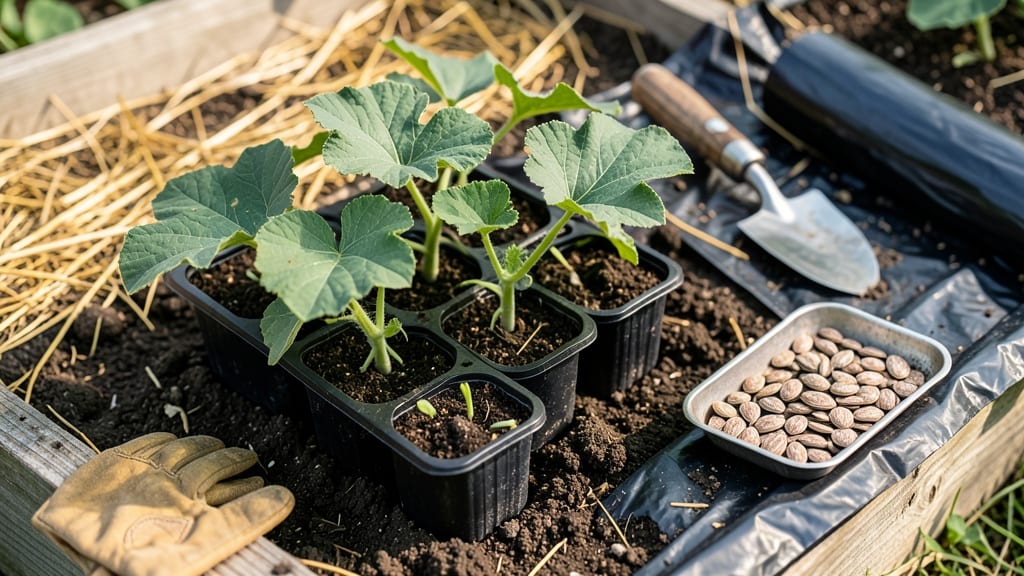
Planting cantaloupe in Illinois after the last frost date — typically mid-April — is the key to unlocking sweet, ripe fruit by summer 🍉.
But timing isn’t just about the calendar. In USDA Zones 5B and 6A, a late frost can wipe out seedlings overnight, while planting too early means vines struggle to mature before fall’s chill sets in.
I’ve seen both mistakes leave gardeners with empty vines — and the frustration of waiting for a harvest that never comes.
Here’s what you need to know: soil temperature must hit at least 70°F before seeds go in, and nighttime lows should stay above 55°F. That usually means waiting until late May in northern Illinois, while southern regions can start as early as mid-April.
The difference? A 3-week window that separates success from disappointment.
In this guide, I’ll break down the exact planting timeline for your region, whether to start seeds indoors or sow directly, and how to protect your crop from Illinois’ unpredictable late frosts.
You’ll also learn the 3 companion plants that boost cantaloupe yields — and the one mistake that ruins fruit before it even ripens.
Optimal planting dates for cantaloupe in Illinois (zone 5B/6A)
Getting your cantaloupe seeds in the ground at the right time is the secret to avoiding frost damage and ensuring sweet, ripe fruit. In USDA Zones 5B and 6A, the last frost date varies from late April in southern Illinois to early May in northern areas.
Timing matters because cantaloupes need warm soil (at least 70°F) and consistent nighttime temperatures above 55°F to thrive.
If you plant too early, seedlings will wilt from cold soil, and if you wait too late, your harvest window shrinks. Southern Illinois gardeners can start as early as mid-April, while northern Illinois growers should wait until late April to early May.
Understanding these microclimate differences helps you adjust planting dates for your specific location.
Direct sowing is the preferred method for cantaloupes because they hate being transplanted. However, if you're eager to get a head start, you can start seeds indoors 2-3 weeks before the last frost date. Use biodegradable pots to avoid disturbing roots when transplanting outdoors.
Soil temperature is more critical than air temperature for cantaloupes. Use a soil thermometer to confirm your soil has warmed to at least 70°F before planting. In Illinois, this typically happens by mid-May in northern regions and late April in southern areas.
Planting too soon in cool soil leads to poor germination and stunted growth.
| Planting Method | Optimal Planting Window | Soil Temp Threshold | Notes for Illinois |
|---|---|---|---|
| Direct Sowing | Southern IL: Mid-April to May 15 Northern IL: Late April to May 20 |
Minimum 70°F | Wait for consistent 55°F+ nights. Use black plastic mulch to warm soil faster. |
| Transplanting | Southern IL: Mid-May Northern IL: Late May |
Minimum 65°F | Use hardened-off seedlings. Transplant in evening to reduce stress. |
| Indoor Start | 2-3 weeks before last frost (March for southern IL) | N/A (indoor lighting) | Use grow lights for 12+ hours/day. Transplant after soil warms to 65°F. |
| Succession Planting | Every 2 weeks until June 15 | Minimum 70°F | Extends harvest window. Choose fast-maturing varieties like 'Athena'. |
For northern Illinois (Zone 5B), aim to plant cantaloupe seeds directly outdoors between May 1 and May 15. This timing aligns with when soil temperatures consistently reach 70°F and nighttime lows stay above 55°F.
If you're in southern Illinois (Zone 6A), you can start as early as mid-April, but always confirm with a soil thermometer—cool soil delays germination.
One trick I use is to cover newly planted seeds with black plastic mulch to speed up soil warming. This method can shave off 1-2 weeks from your planting timeline, especially in cooler microclimates. Just remember to secure the edges so wind doesn’t blow it away before seeds sprout.
If you’re growing cantaloupes in containers or urban gardens, start seeds indoors in biodegradable pots 2-3 weeks before your target outdoor planting date. Transplant seedlings outdoors after the last frost date, but only when soil temperatures are stable at 65°F or higher.
Containers heat up faster than garden beds, so monitor soil temps closely.
For a longer harvest season, try succession planting every 2 weeks until mid-June. This approach works best with fast-maturing varieties like 'Hale’s Best' or 'Athena', which can produce fruit in as few as 70 days.
Just be sure to space your plantings so you’re not overcrowding the garden as vines mature.
Always check your local frost-free date for precise timing. In Illinois, the average last frost date ranges from April 15 in southern Illinois to May 10
How to extend the cantaloupe growing season in Illinois
Illinois’ short growing season can feel like a race against time for cantaloupe lovers, but with the right strategies, you can push your harvests later into summer. The key is combining heat-loving techniques with season-extending tools to give your vines the warmth they crave.
I’ve found that even in USDA Zone 6A, you can enjoy cantaloupes through early September with these proven methods.
First, focus on early-maturing varieties like 'Athena' (65 days) or 'Hale’s Best' (75 days). These varieties ripen faster, giving you a head start before summer’s end.
Pair them with black plastic mulch to warm the soil and speed up germination—this can shave off 1-2 weeks of growing time by keeping roots cozy.
- 1 Use floating row covers for early planting (late April). These protect young plants from late frosts while allowing sunlight to pass through—just remove them when flowers appear to prevent pollen issues.
- 2 Try succession planting in late June for a second harvest. Choose fast-maturing varieties like 'Sugar Bush' (60 days) and plant them in warmest microclimates, such as near south-facing fences or black mulch.
- 3 Install low tunnels over vines in late August to trap heat. Even a simple hoop house with clear plastic can extend the season by 2-3 weeks by raising nighttime temperatures by 5-10°F.
- 4 Prioritize soil warmth by planting on black landscape fabric or clear plastic. This raises soil temps by 10-15°F compared to bare ground, helping roots establish faster in cool springs.
- 5 Water strategically to avoid blossom-end rot. Use drip irrigation in mornings to keep soil consistently moist but not soggy—this prevents stress that can stunt growth during cooler stretches.
Don’t overlook companion planting to boost yields. I’ve had success pairing cantaloupes with bush beans or radishes, which improve soil structure and deter pests. Avoid planting near potatoes or pumpkins, though, as they compete for the same nutrients and space.
For urban gardeners, consider container growing with 5-gallon buckets. Fill them with a mix of compost and perlite, then place containers on black plastic to absorb heat. This works surprisingly well for small-space varieties like 'Tiny' cantaloupe (55 days).
With these techniques, I’ve pushed my cantaloupe season from July to early October—proving that Illinois gardeners can enjoy homegrown melons well beyond the typical harvest window. The secret? Start early, protect from cold snaps, and never underestimate the power of warm soil. 🍉