
Plants
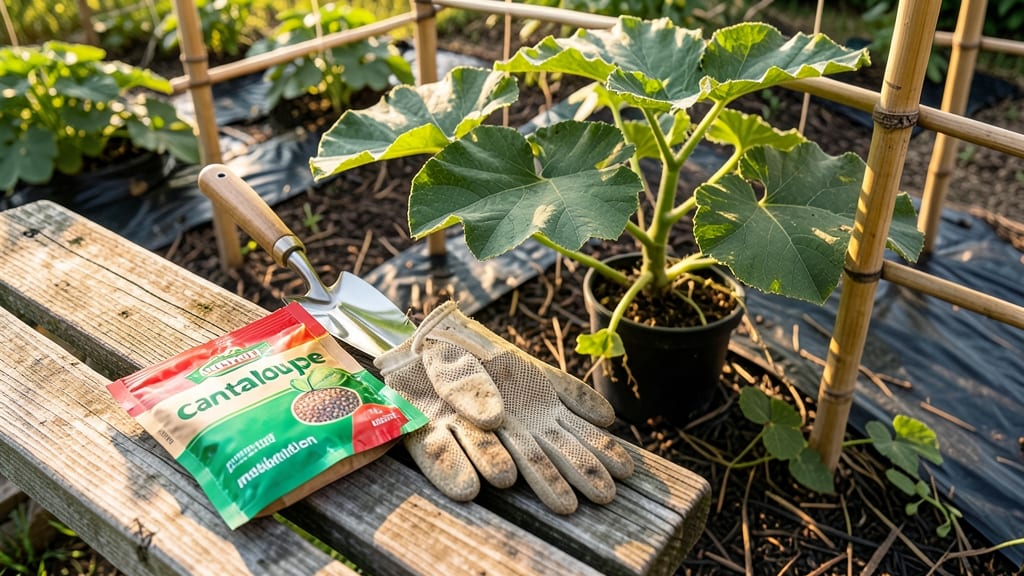
Plant cantaloupes in Alabama after your last frost date, typically between mid-April and early May when soil temperatures hit 70°F+—this timing ensures strong germination and avoids frost damage.
Alabama’s hot summers and unpredictable spring weather make timing your cantaloupe planting critical—get it wrong, and you risk frost damage or poor yields.
Unlike cooler climates, cantaloupes thrive in Alabama’s heat, but they need the right start. Waiting for soil to warm and planting after frost gives your vines the jump they need to produce sweet, ripe fruit by summer.
Below, I break down the exact planting windows by region, soil prep tips, and how to adjust for Alabama’s unique climate—so you can go from seed to harvest with confidence.
Alabama cantaloupe planting dates by region: frost-free zones explained
Alabama’s diverse climate means your cantaloupe planting dates should vary by region to avoid frost damage or stunted growth. North Alabama’s Zone 7a has later frost risks, while South Alabama’s Zone 8b enjoys extended growing seasons.
The key is planting after your last frost date and when soil reaches 70°F+ for germination.
Cantaloupes thrive in warm weather, so timing is everything. In Central Alabama (Zones 7b-8a), you’ll have the most flexibility, but even there, a late spring freeze can devastate young plants.
I’ll break down exact planting windows for each region, including soil temperature tips to ensure your melons get off to the right start.
Use this comparison-table to find your ideal planting window based on Alabama’s three main regions. Each zone has specific last frost dates and soil warming requirements that dictate when you should plant seeds or transplants for maximum success.
For North Alabama (Zone 7a), I recommend waiting until mid-April to plant cantaloupe seeds. This region’s later frost dates mean you’ll avoid late spring freezes that can kill tender seedlings.
If you’re using transplants, you can start slightly earlier, around late March, but always monitor your local frost forecast.
In Central Alabama (Zones 7b-8a), your window opens earlier—late March to mid-April. This is the sweet spot for direct seeding because the soil warms quickly. I’ve had great success planting ‘Athena’ cantaloupe in early April here, and it produces sweet, ripe melons by July.
Just be prepared to protect young plants if an unexpected cold snap hits.
If you’re in South Alabama (Zone 8b), you’re in luck—you can plant as early as late February in protected beds or under row covers. The soil warms faster here, and the longer growing season lets you experiment with fall plantings too.
For best results, aim for early April to ensure your cantaloupes mature before first frost in November.
One critical tip for all regions: Always check your soil temperature before planting. Cantaloupe seeds won’t germinate well below 70°F. Use a soil thermometer or wait for a stretch of warm days (75°F+).
If your soil is still cool, try black plastic mulch or row covers to speed up warming.
Don’t forget that transplants give you a head start. If you’re in a cooler microclimate, buying 6-week-old starts from a local nursery lets you plant 2-3 weeks earlier than seeding directly. Just harden them off first to avoid transplant shock.
Finally, keep an eye on your local weather patterns. Alabama’s spring can be unpredictable—one day it’s 80°F, the next it’s 40°F. Use a frost watch app or sign up for local gardening alerts to stay ahead of any late frosts that could ruin your crop.
With these region-specific planting dates and soil temperature guidelines, you’ll be well on your way to a bountiful cantaloupe harvest—just in time for Alabama’s steamy summer days. 🍈
How to time cantaloupe planting for Alabama’s heat: avoiding common mistakes
Alabama’s unpredictable spring weather can turn your cantaloupe dreams into soggy seeds if you’re not careful. While frost dates are important, soil temperature and heat tolerance are equally critical for cantaloupe success.
Many gardeners make the mistake of planting too early, only to watch their seedlings wither when nighttime temps drop below 50°F.
Cantaloupes thrive in warm soil (70°F+) and consistent heat. In Alabama, this typically means waiting until mid-April to early May in most regions, but soil warming techniques can give you an edge.
I’ve learned that black plastic mulch or row covers can create the ideal microclimate for earlier planting—sometimes as early as late March in South Alabama.
⚠️ WARNING: Common Mistakes That Kill Cantaloupe Plants ⚠️
⚠️ Planting Too Early
Cantaloupe seeds won’t germinate below 60°F soil. Even if your last frost date has passed, cold soil will leave you waiting weeks for sprouts—or worse, no germination at all.
⚠️ Skipping Soil Warm-Up
Alabama’s cool spring nights can delay vine growth. Without black plastic mulch or row covers, your plants may struggle to establish before summer heat arrives.
⚠️ Transplanting Seedlings Too Soon
Store-bought starts are often hardened off for cooler temps, but Alabama’s sudden heat spikes can shock them. Wait until nighttime temps stay above 55°F before transplanting.
For direct seeding, use a soil thermometer to confirm 70°F+ soil temps before planting. I recommend late April for North Alabama and early April for South Alabama. If you’re using transplants, wait until mid-May to avoid transplant shock from erratic spring weather.
Alabama’s humidity and heat also demand proper spacing and air circulation. Cantaloupe vines need 3-4 feet between plants to prevent disease. I’ve found that raised beds with straw mulch help regulate soil moisture and reduce fungal risks during Alabama’s sticky summer months.
Before planting, run through this quick pre-planting checklist to avoid common pitfalls:
- ✅ Test soil pH (6.0-6.8)—cantaloupes hate acidic soil
- ✅ Warm soil with black plastic mulch or row covers 1-2 weeks before planting
- ✅ Choose a sunny, well-draining spot with 6+ hours of sunlight
- ✅ Harden off transplants for 7-10 days before moving outdoors
Pro tip: Plant cantaloupe seeds 1 inch deep and keep soil consistently moist until germination. Once vines appear, reduce watering slightly to encourage strong root growth—overwatering leads to blossom-end rot in Alabama’s heat.