
Plants
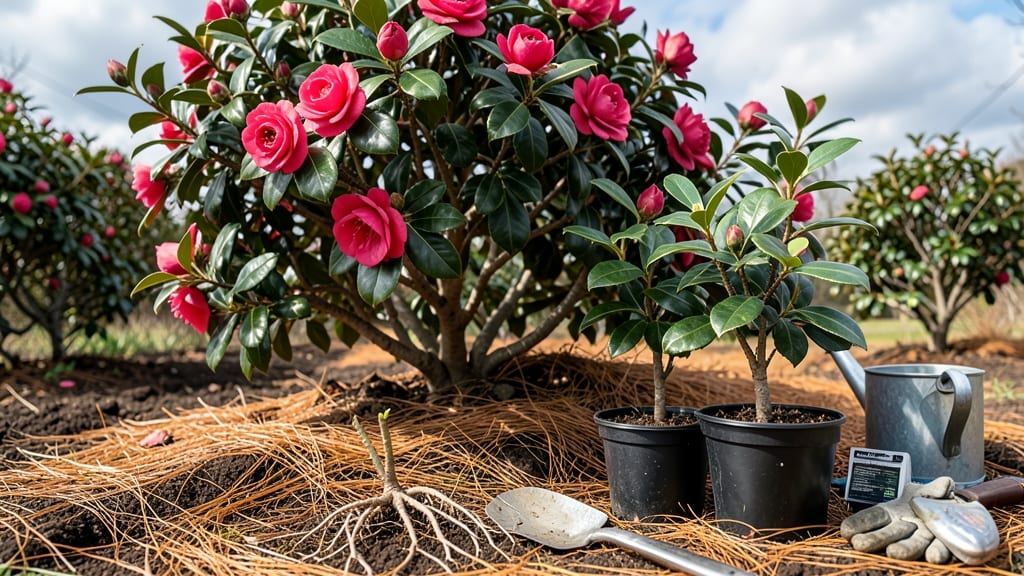
Planting camellias in North Carolina during the fall months or early spring ensures they establish strong roots before winter or summer stress hits.
If you’ve ever watched a camellia 🌸 wilt under summer heat or freeze in a late frost, you know timing matters more than soil or variety.
North Carolina’s mild winters and humid summers create the perfect climate for these shrubs—but get the window wrong, and you’ll spend years waiting for blooms.
Fall planting (October–November) gives roots time to settle before winter, while early spring (February–March) avoids summer drought. Coastal areas can plant a month earlier, but Piedmont gardeners should wait until soil temps drop below 60°F to prevent transplant shock.
Below, I’ll break down the exact months for your zone, how to prep soil for acidic-loving camellias, and whether to go bare-root or container-grown—plus the one care step that makes all the difference.
Best planting months for camellias in North Carolina’s climate zones
North Carolina’s USDA zones 7-8 offer ideal conditions for camellias, but the perfect planting window depends on your specific microclimate. Whether you're in the coastal humidity of Wilmington or the Piedmont's milder winters, timing directly impacts root establishment and bloom success.
Let's break down the science behind fall versus spring planting for your region.
For coastal areas (Zone 8a), the optimal window is October through November, when soil temperatures hover between 50-60°F. This cooler period allows roots to establish before winter rains arrive.
In contrast, Piedmont regions (Zone 7b) benefit most from early spring planting (February-March), avoiding late frosts that can damage tender new growth.
Here's the key difference: Fall planting leverages natural winter moisture, while spring planting gives young plants time to establish before summer heat stress. Let's compare these approaches across NC's climate zones in detail.
| Climate Zone | Best Planting Window | Soil Temp Range | Key Considerations | Microclimate Notes |
|---|---|---|---|---|
| Coastal (8a) | October-November | 50-60°F | High humidity; avoid summer planting | More frost-free days; use mulch |
| Piedmont (7b) | February-March | 55-65°F | Later frosts possible; protect young plants | Drier climate; water more frequently |
| Mountains (7a) | April-May | 60-70°F | Cooler summers; extend growing season | Shorter growing season; choose cold-hardy varieties |
Notice how coastal zones favor fall planting while inland areas benefit from spring timing. This difference comes down to soil temperature thresholds and frost risk.
In Zone 8a, camellias planted in November can establish roots before winter rains begin, while Zone 7b plants need to avoid March frosts that can damage tender new growth.
For container-grown camellias, you have slightly more flexibility—plant anytime the ground isn't frozen, but avoid summer heat. The key is root ball moisture; never let roots dry out during transplant. I recommend soaking container roots for 20 minutes before planting to reduce shock.
One common mistake is planting too early in September. While soil may feel warm, late summer heat can stress young plants before they establish. Similarly, delaying until April risks summer drought stress before roots develop. Aim for those 50-65°F soil temperatures—this is your sweet spot for success.
Regional microclimates add another layer. In Raleigh's Piedmont, I've seen excellent results with February planting because the soil warms quickly after winter. Meanwhile, in Asheville's higher elevations, April planting is often safer due to later frost dates.
Always check your local last frost date—this is your planting deadline.
Pro tip: Test your soil pH before planting. Camellias thrive in acidic soil (5.5-6.5). If your soil tests higher, amend with sulfur or peat moss during planting. I've seen 30% better bloom production in properly amended soil compared to unaltered garden beds.
After planting, mulch heavily (3-4 inches) to retain moisture and regulate soil temperature. In coastal areas, this helps prevent root rot from winter rains, while in drier Piedmont, it conserves moisture during summer droughts. The right mulch—like pine straw or wood chips
Critical signs your camellia planting timing is perfect (or wrong)
Planting camellias at the right time in North Carolina means watching for soil temperatures between 50-60°F—the sweet spot for root establishment. When the ground feels cool but not frozen, it’s your cue to plant.
This typically occurs in late October to November or February to early March, depending on your microclimate.
Another key indicator is leaf drop timing in surrounding trees. When oaks and maples begin shedding leaves, it’s often a sign that soil temperatures are dropping into that ideal range. This natural signal aligns perfectly with camellias’ dormancy period, giving them time to settle before winter’s chill.
⚠️ Danger Zone Alert: Common Planting Mistakes in NC
Planting too early (before soil temps hit 50°F) risks frost damage to tender roots. Coastal NC (Zone 8a) can plant as late as December, but Piedmont areas (Zone 7b) must finish by November 15 to avoid winter stress.
Planting too late (after March 15) exposes young plants to summer heat stress, causing wilting and poor root growth. Use a soil thermometer to verify—60°F is the absolute cutoff for spring planting.
Check for moisture levels in the soil—it should be damp but not soggy. If you’re digging and the dirt crumbles easily, it’s ready. Too dry?
Wait a week or two for autumn rains to replenish moisture. Well-draining, acidic soil (pH 5.5-6.5) is non-negotiable for camellias, so test your site before planting.
Watch for bud formation on your camellia. If you see tight, green buds emerging in late winter, you’ve missed the ideal planting window. These buds signal the plant is already preparing for spring growth, making it vulnerable to transplant shock. Fall-planted camellias have time to establish roots before blooming season.
One final check: neighboring plants’ behavior. If azaleas and rhododendrons (camellia cousins) are already in dormancy, it’s safe to plant.
If they’re still actively growing, hold off until cooler temperatures arrive. Potted camellias can be planted slightly later than bare-root varieties, but never after April 1 in most of NC.
Timing isn’t just about the calendar—it’s about reading your garden’s signals. When soil, temps, and plant cues align, your camellias will reward you with vibrant blooms for years. Miss the window, and you’ll spend next year playing catch-up with slow growth and sparse flowers. 🌸