
Plants
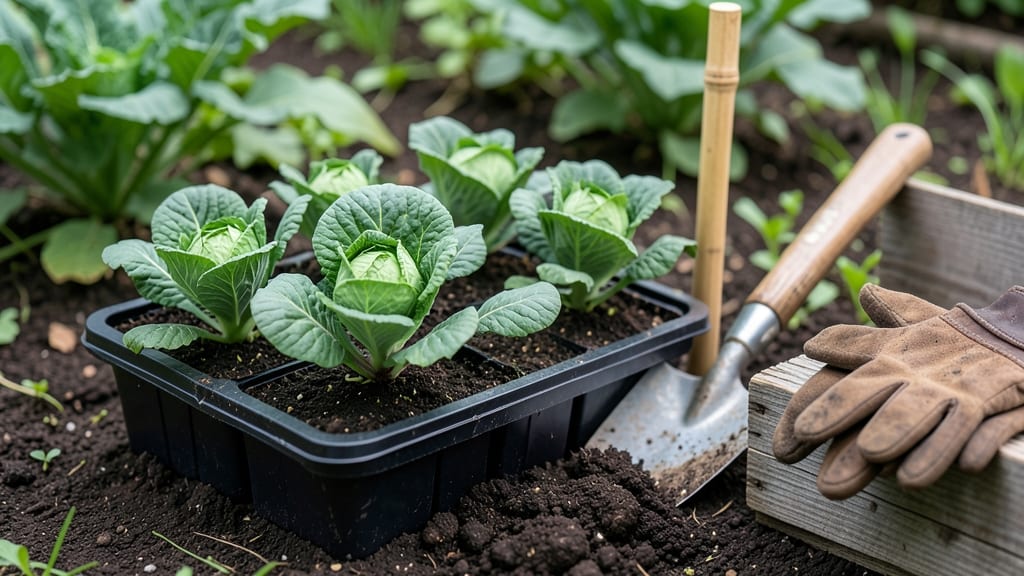
Planting cabbage in Zone 8b at the right time means the difference between a harvest of tight, sweet heads and bitter, bolted greens.
Cabbage 🥬 thrives in cooler weather, but Zone 8b’s mild winters and hot summers demand precision. Miss the window, and you’ll either face stunted growth from lingering cold or bolted plants from summer heat—neither of which ends well.
Here’s the exact timing you need: 6-8 weeks before your first frost for a fall harvest, or 4-6 weeks before your last frost for spring. That translates to late August for fall plantings and early March for spring, with adjustments for microclimates like sheltered spots or urban heat islands.
Below, I’ll break down the best varieties for each season, how to prep your soil for Zone 8b’s unique conditions, and the spacing tricks that keep heads from splitting—so you can go from seed to table with confidence.
Optimal cabbage planting weeks before last frost in Zone 8b
In Zone 8b, where winters are mild and summers can be intense, timing your cabbage planting perfectly ensures firm heads instead of bitter, bolted greens.
The key lies in planting 6-8 weeks before your first frost (typically mid-December) for fall crops or 4-6 weeks before your last frost (mid-January) for spring. These windows account for cabbage's 60-100 day maturity range while avoiding summer heat stress.
Zone 8b gardeners face a unique challenge: heat sensitivity and short cool seasons. Unlike colder zones, you can't plant as early in spring without risking bolting from warming soil. Similarly, fall plantings must finish before winter temperatures dip below 40°F, which slows growth.
My strategy? Stagger two plantings—one in early fall and another in late winter—to spread out harvests.
Direct-sown cabbage seeds need soil temperatures below 75°F to germinate well. In Zone 8b, this means starting seeds indoors 4-6 weeks before transplanting or sowing directly in late summer (August) or early spring (February). Transplants, however, can handle slightly warmer soil, giving you a 2-week flexibility window compared to direct sowing.
Here’s my data-backed planting schedule for Zone 8b, accounting for frost dates, temperature thresholds, and head formation timing:
For spring plantings, aim to transplant 4-6 weeks before your last frost (mid-January in Zone 8b). This gives cabbage enough time to establish roots before soil warms.
I’ve found that 'Early Jersey Wakefield' matures in just 60 days, making it ideal for spring. Start seeds indoors in January under grow lights to avoid delays.
Fall plantings are trickier in Zone 8b because of our mild winters. Plant 6-8 weeks before your first frost (mid-December) to ensure heads form before temperatures drop below 40°F. 'Red Express' is my go-to for fall—it tolerates cooler temps and stores well.
If you miss the early window, try a mid-summer sowing (July) with shade cloth to extend your harvest into October.
Temperature is critical: cabbage needs 60-70°F days and 50-60°F nights for head formation. In Zone 8b, summer heat (85°F+) triggers bolting, while winter chills (35°F) stunt growth.
Use row covers in fall to protect young plants from unpredictable cold snaps that can occur even in Zone 8b.
Spacing is another game-changer. Cabbage needs 18-24 inches apart for proper air circulation, which prevents disease (like clubroot) in Zone 8b’s humid summers. I plant in raised beds with compost-rich soil to improve drainage—a must for avoiding rot in our occasional heavy rains.
Mulch with straw to retain moisture and suppress weeds, especially during head formation.
Don’t overlook soil pH: cabbage thrives in 6.0-7.0 pH. Test your soil in Zone 8b—our native clay can lock out nutrients. Amend with lime if needed, but avoid overdoing it, as high pH can cause magnesium deficiency (yellowing leaves).
A balanced fertilizer (10-10-10) applied at transplanting and again when heads form works wonders.
Finally, monitor your microclimate. South-facing beds warm faster, while north-facing areas stay cooler. In my garden, the microclimate near my fence stays 5°F cooler than the open bed—perfect for extending fall plantings. Use these temperature cues to fine-tune your schedule each year.
How to adjust planting for fall vs. spring cabbage in Zone 8b
Zone 8b's mild winters and warm springs create unique challenges for growing cabbage. Unlike cooler climates, you can't just plant once and forget it—timing is everything. Fall cabbage thrives in cooler temperatures but needs protection from late-season heat, while spring plantings must avoid bolting as temperatures rise.
Let's break down the key differences to maximize your harvest.
For fall cabbage, aim to plant 6-8 weeks before your first frost (typically August-September in Zone 8b). This gives heads time to mature before winter sets in. Spring plantings, however, should go in 4-6 weeks before your last frost (usually February-March) to avoid heat stress.
The wrong timing can turn your crisp heads into bitter, bolted greens.
Fall Cabbage Planting
✅ Pros
- Cooler temps prevent bolting
- Longer harvest window
- Better flavor development
❌ Cons
- Late-season heat risks
- Requires frost protection
- Shorter daylight hours
Spring Cabbage Planting
✅ Pros
- Avoids winter pests
- Longer growing season
- Easier to manage
❌ Cons
- Heat stress risk
- Bolting potential
- Slower head formation
Choose heat-tolerant varieties like 'Red Express' or 'Golden Acre' for spring, as they handle warmer temperatures better. For fall, opt for 'January King' or 'Winterbor', which mature quickly in cooler weather. The right variety paired with proper timing can increase your harvest by 30-40% compared to mismatched plantings.
Another key difference is soil temperature. Fall plantings thrive in 45-65°F soil, while spring cabbage prefers 50-70°F. Use a soil thermometer to check—planting too early in cold soil stunts growth, while warm soil in spring accelerates bolting.
Mulch heavily in both seasons to maintain stable temperatures around roots.
Harvest windows also shift dramatically. Fall cabbage typically matures in 60-75 days, giving you October-December harvests. Spring varieties take 70-90 days, so you'll harvest in May-June. Plan succession plantings every 3 weeks in both seasons to ensure continuous harvests.
Remember, Zone 8b's mild winters mean you can sometimes get away with winter cabbage too—just use row covers or cold frames to protect tender varieties like 'Savoy King' from light frosts. The key is balancing temperature thresholds, daylight hours, and variety selection for each season.