Companion Plants
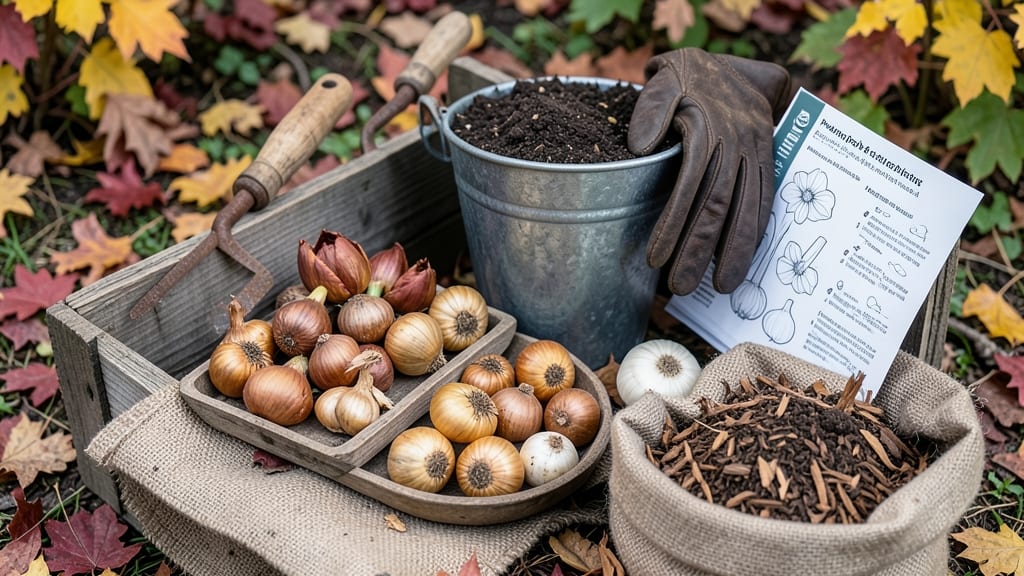
Planting bulbs in the fall is all about timing—aim for 6 to 8 weeks before your first frost to give roots time to establish before winter 🌷.
Timing is everything when planting fall bulbs—get it wrong, and your spring blooms may never appear. But with the right zone-specific schedule, you’ll ensure strong root growth before winter’s chill sets in.
In USDA Zone 6a, that means digging in most bulbs by mid-October, though early varieties like crocus can handle a later start. The key is soil temperature: roots need to anchor before the ground freezes.
Below, I’ll break down the exact months for your zone, soil prep tips to avoid soggy roots, and how to adjust for heavy clay or sandy soil—so you’re ready for a perfect spring display.
Fall bulb planting calendar by USDA hardiness Zones
Planting bulbs in the fall is one of the best ways to guarantee vibrant spring blooms, but the perfect timing depends entirely on your USDA hardiness zone. In colder zones like Zone 3, you’ll plant much earlier than in milder Zone 10, where winters are barely chilly.
The goal is to give bulbs 6-8 weeks of root growth before the ground freezes—too early, and they’ll rot; too late, and they won’t establish.
I’ve planted bulbs in Zones 4 and 7, and I’ve learned that even a few weeks off can mean the difference between a lush spring display and a missed opportunity.
Let’s break down the ideal planting windows for each zone, including adjustments for frost-sensitive varieties like tulips and hyacinths that need extra care in warmer climates.
| USDA Zone | Ideal Planting Month | Flexible Window | Soil Temp Goal | Notes for Frost-Sensitive Bulbs |
|---|---|---|---|---|
| Zones 3-4 | Mid-September to early October | Late August to mid-November | 40–50°F (4–10°C) | Tulips may need mulch in Zone 4 |
| Zones 5-6 | October | Mid-September to November | 45–55°F (7–13°C) | Hyacinths thrive in cool soils |
| Zones 7-8 | November | Late October to December | 50–60°F (10–16°C) | Plant daffodils earliest—they’re deer-resistant |
| Zones 9-10 | December to early January | November to February | 55–65°F (13–18°C) | Use shade cloth to protect from winter rains |
In Zones 3-4, where winters are harsh, I always aim for mid-September planting. This gives bulbs like tulips and crocuses enough time to develop roots before the ground freezes solid. A soil thermometer is my secret weapon here—I wait until temperatures drop to 50°F (10°C) at night before planting.
For Zones 5-6, October is the sweet spot, but I’ve learned that hyacinths and alliums can handle a later start if the soil stays workable.
In my Zone 6 garden, I’ve successfully planted as late as early November, though I always add a thick layer of mulch to insulate the bulbs.
Warmer zones like 7-8 have a longer window, but don’t wait too long—November is ideal. I’ve seen neighbors plant in December, but their tulips often bloom later or weaker. The key is soil temperature: once it drops below 50°F (10°C), growth slows dramatically.
In Zones 9-10, where winters are mild, bulbs can be planted almost year-round, but I stick to December-January for best results. The biggest challenge here is overwatering—winter rains can rot bulbs if they’re planted too shallow. I always plant deeper (8–10 inches) and use well-draining soil.
Pro tip: Check your local average first frost date and count backward 6-8 weeks. This is your planting window. For example, if frost hits November 15, plant by September 20. Use this rule as your non-negotiable guide, especially for frost-sensitive varieties.
One mistake I made early in my gardening journey was planting tulips too early in Zone 7. They sprouted in late fall, only to be killed by a sudden cold snap.
Now, I wait until November in my zone, even if it means missing the "ideal" window in some guides.
Remember, soil type matters too. In heavy clay, plant bulbs deeper (8–10 inches) to prevent rot. In sandy soil, you can plant shallower (6 inches), but water more frequently to keep roots moist. Adjust
Key soil and climate conditions for successful fall bulb establishment
When planting fall bulbs, the soil temperature is your most critical ally—aim for a consistent range of 40–50°F at planting depth (typically 6–8 inches). This chilly window signals bulbs to root before dormancy sets in.
If your soil runs warmer, like in Zone 9 or 10, plant earlier (August–September) to avoid summer heat stress.
Moisture matters just as much as temperature. Bulbs need consistent moisture during root establishment but despise soggy soil. After planting, water deeply to settle the soil, then maintain moderate dampness (like a wrung-out sponge) until the ground freezes. Overwatering can rot bulbs, while drought stunts root growth.
Now, let’s talk frost—your silent partner in bulb success. Plant bulbs 6–8 weeks before your first hard frost, giving roots time to anchor before winter. In unpredictable climates (like the Midwest or Pacific Northwest), err on the earlier side—better to plant too soon than too late.
Use a soil thermometer to monitor temps if you’re unsure.
⚠️ callout-warning
If you wait until November or December, bulbs may not establish roots before freezing. In Zones 3–5, this means late October at the latest—even if soil feels cold. For Zones 6–8, aim for September–early October to avoid winter’s early arrival.
🌱 Pro Tip: Check your local USDA frost date and count backward. If your area has unpredictable weather, plant 2–3 weeks earlier as a buffer.
Soil type plays a surprising role. In heavy clay soil, amend with compost or sand to improve drainage—bulbs rot in waterlogged conditions. For sandy soil, mix in peat moss or coconut coir to retain moisture.
Test your soil’s pH too; most bulbs thrive in neutral (6.0–7.0), though daffodils tolerate slightly acidic (5.5–6.5).
Don’t overlook mulching—a 2–3 inch layer of straw or shredded leaves insulates bulbs from extreme cold and retains moisture. Just avoid piling mulch directly against bulb stems, which can cause rot. In warmer zones (9–10), a light mulch also protects bulbs from winter rains that can dislodge them.
Finally, choose your planting site wisely. Most bulbs prefer full sun (6+ hours daily), but a few (like woodland hyacinths) tolerate partial shade. Avoid low spots where cold air pools—bulbs need consistent temperatures, not frost pockets.
With these conditions met, your bulbs will reward you with vibrant spring blooms year after year.