
Plants
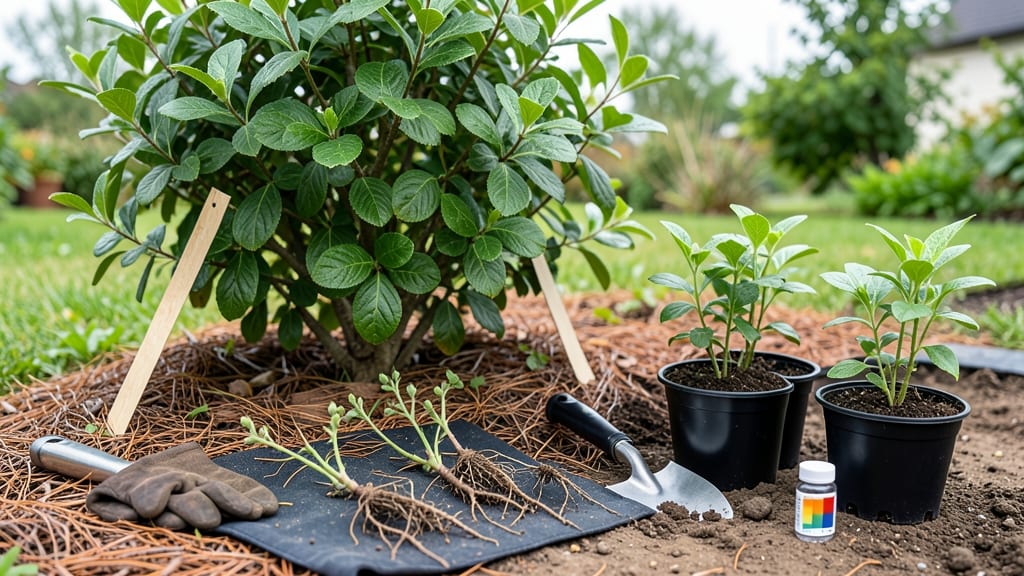
To plant blueberries in Indiana, aim for late April through early May after the last frost or in fall between September and early October for the best root establishment.
Indiana’s unpredictable climate can make or break your blueberry harvest—but timing your planting right ensures sweet, bountiful bushes that thrive year after year.
Most varieties need 500–1,000 chill hours, which Indiana’s Zone 6a delivers, but a wrong window means stunted growth or frost damage. Below, I’ll break down the ideal months, frost-proof strategies, and how to pick the right variety for your microclimate.
You’ll learn how to prepare soil, choose frost-hardy types like ‘Bluecrop,’ and adjust timing for late frosts—so your 🫐 bushes produce for decades.
Best planting months for blueberries in Indiana based on chill hours
Indiana’s 500–1,000 chill hours make it perfect for growing blueberries, but timing matters. Most of the state falls in USDA zones 5b–6b, where fall planting (September–early October) gives roots time to establish before winter. Spring planting (late April–early May) works too, but young plants face late frost risks.
Blueberries need chill hours (0–45°F) to set buds. Indiana’s northern regions (e.g., Gary, Fort Wayne) require 900+ chill hours, while southern areas (e.g., Louisville, Evansville) need 500–700 hours. Check your local chill-hour map via the USDA Plant Hardiness Zone Viewer to confirm.
Microclimates matter! A south-facing slope warms faster in spring, while a low-lying area may stay colder longer. If you’re unsure, plant in fall—it’s the safest bet for Indiana’s unpredictable frost dates.
| Planting Window | Chill Hours Needed | Best Months | Indiana Regions |
|---|---|---|---|
| Fall | 500–1,000 | September–early October | All zones (5b–6b) |
| Spring | 500–1,000 | Late April–early May | Southern Indiana (6a–6b) |
| Container Planting | 500–900 | April–June (after last frost) | Urban areas (e.g., Indianapolis) |
For northern Indiana (e.g., South Bend, Lafayette), stick to fall planting—spring frosts can kill young bushes. In southern Indiana, where winters are milder, spring planting is riskier but doable if you monitor frost forecasts.
Pro tip: Plant bare-root blueberries in fall—they establish roots before winter, giving you a head start. If buying container-grown plants, spring planting works, but mulch heavily to protect roots from temperature swings.
Verify your local frost dates using the National Oceanic and Atmospheric Administration (NOAA) frost calculator. Indiana’s average last frost is April 15, but microclimates can shift this by 2–3 weeks.
If you’re in zone 5b (northern Indiana), choose high-chill varieties like ‘Bluecrop’ (900+ hours). For zone 6b (southern Indiana), ‘Duke’ (700+ hours) thrives. Always amend soil with peat moss or sulfur to maintain acidic pH (4.5–5.5).
Water deeply after planting—1–2 gallons per plant—and mulch with pine needles or wood chips to retain moisture and regulate soil temperature. Avoid fresh sawdust, which can lower pH too much.
Remember: Fall-planted bushes bear fruit 1 year sooner than spring-planted ones. For Indiana’s climate, September is ideal—cool temps help roots grow without stressing the plant.
How to avoid frost damage when planting blueberries in Indiana
Indiana’s late spring frosts can devastate young blueberry bushes, especially when planted too early. The key to success lies in selecting frost-hardy varieties and using smart planting strategies to shield them from sudden temperature drops.
Even the hardiest bushes need protection during those unpredictable April nights when frost warnings pop up.
First, choose blueberry varieties bred for resilience, like ‘Bluecrop,’ ‘Duke,’ or ‘Jersey’. These cultivars handle Indiana’s 500–1,000 chill hours and bounce back from light frost better than others. Pairing the right variety with the right timing minimizes damage and sets your bushes up for years of harvests.
⚠️ Critical Frost Window Alert
Never plant before April 30—Indiana’s average last frost date is April 15, but late frosts can linger into May. If you must plant earlier, use row covers or cold frames until danger of frost passes. Fall planting (September–early October) is safer but requires mulching for winter protection.
Once you’ve picked your variety, focus on microclimate selection. Plant bushes on south-facing slopes or near windbreaks like fences or hedges. These spots warm up faster in the day and lose heat slower at night, creating a 3–5°F warmer microclimate than open areas.
Even a small difference can mean the difference between survival and frost damage.
Mulching is your best friend for frost protection. Apply a 4–6 inch layer of pine straw or wood chips around the base of your bushes. This insulates roots from temperature swings and retains moisture.
For extra defense, top the mulch with straw bales during frost warnings—this can raise soil temps by 10°F or more.
If frost strikes after planting, act fast. Drape frost cloth or old blankets over bushes and secure with bricks or stakes. Avoid plastic sheets—they trap heat and can scorch leaves.
Water the soil before the frost hits; moist soil releases heat slower than dry soil, providing 1–2 extra degrees of protection.
Finally, monitor your local frost forecast using tools like the National Weather Service or Purdue Extension’s frost maps. Set up a minimum thermometer near your planting site to track nightly lows. With these strategies, your blueberries will thrive even when Indiana’s weather throws curveballs.