
Plants
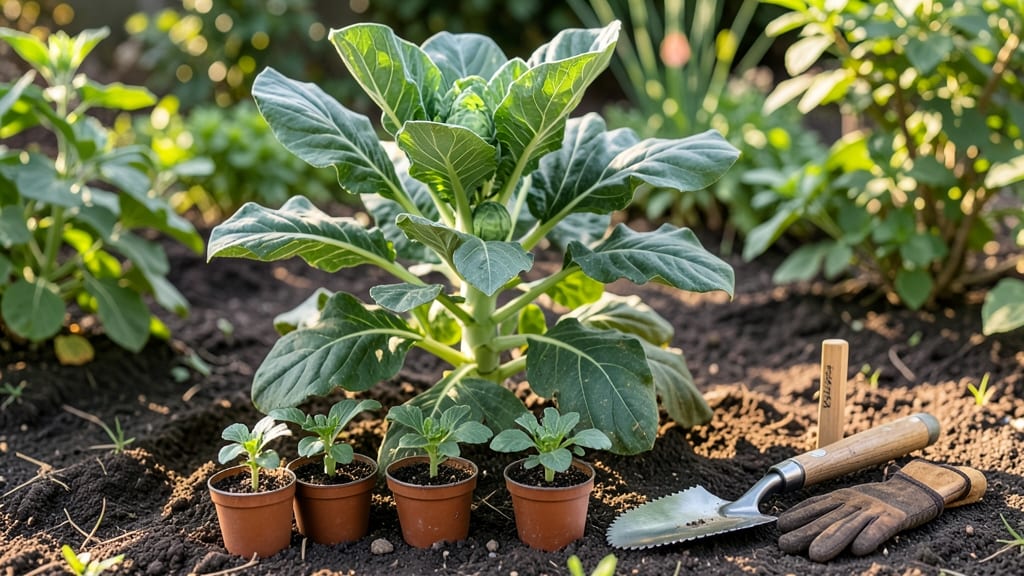
To plant brussel sprouts in Indiana, aim for mid-April to early May or mid-July to early August—timing that aligns with your 6a zone and avoids frost damage while maximizing growth.
Picture this: you’ve spent weeks nurturing your 🥦 seedlings, only to watch them wilt under a surprise late frost or bolt in summer’s heat. That’s why Indiana gardeners swear by these two windows—spring for a fall harvest and summer for a late-spring bounty.
Brussel sprouts love cool weather, thriving when soil temps hit 45°F and nights stay chilly. In Indiana, that means waiting until after your last frost (around April 15) but before summer’s intensity peaks.
Fall plantings, on the other hand, need to go in 80-90 days before the first frost hits in mid-October.
Below, I’ll break down the exact dates for your region, whether to start seeds indoors or direct-sow, and how to stretch your harvest season—so you end up with a pantry full of sweet, homegrown sprouts instead of empty rows.
Best planting windows for Brussel sprouts in Indiana’s climate zones
Indiana’s USDA Zones 5-6 offer perfect conditions for growing Brussel sprouts, but timing is critical to avoid bitter flavors or stunted growth. These cool-season crops thrive when planted at the right time—either in early spring or mid-summer—to ensure a harvest before hard frosts.
Let’s break down the exact planting windows for Indiana’s microclimates, including frost dates and regional variations.
Most Indiana gardeners focus on two planting strategies: spring planting for a fall harvest and summer planting for a winter harvest. The key is avoiding extreme heat or early frosts, both of which can ruin your crop.
For example, planting too early in spring risks bolting (premature flowering), while planting too late in summer may result in immature sprouts before frost.
Here’s the golden rule for Indiana: Plant Brussel sprouts 80-90 days before your first expected frost, which typically falls around October 15 in most areas. This timing ensures your plants mature before cold weather sets in.
For northern Indiana (Zone 5), aim for slightly earlier dates, while southern Indiana (Zone 6) has a bit more flexibility.
🌱
| Planting Window | Best For | Indiana Zones | Frost Considerations | Harvest Time |
|---|---|---|---|---|
| Mid-April to early May | Spring planting | Zones 5-6 | Avoid late frosts (after April 15) | October-November |
| Mid-July to early August | Summer planting | Zones 5-6 | Escape early frosts (before Oct 15) | Late November-December |
| Late August (for Zone 6 only) | Late summer planting | Zone 6 (warmer microclimates) | Risk of immature harvest if frost comes early | December-January |
For spring planting, start seeds indoors 8-10 weeks before your last frost date (around March 1 for most of Indiana). Transplant seedlings outdoors 2-3 weeks after the last frost, typically by mid-April. This gives your plants enough time to establish roots before summer heat arrives.
If you’re planting directly in the garden, sow seeds ½ inch deep and 18-24 inches apart in well-draining soil with full sun exposure.
If you prefer a fall harvest, opt for summer planting in mid-July. This timing ensures your plants mature just as temperatures drop in October, allowing them to develop sweeter flavors after a light frost.
For Zone 6 gardeners, you can push this to late August, but be prepared to use row covers or cold frames to extend the season if frost arrives early.
One common mistake is planting Brussel sprouts too early in spring, which can lead to bolting (when the plant flowers prematurely). To avoid this, wait until soil temperatures reach at least 45°F before planting.
You can also choose cold-hardy varieties like 'Long Island Improved' or 'Ruby Ball', which perform well in Indiana’s cool, short growing season.
For gardeners in northern Indiana (Zone 5), focus on spring planting only, as the growing season is shorter. In southern Indiana (Zone 6), you have more flexibility to experiment with late summer plantings, but always monitor frost forecasts to protect your crop.
Using a frost cloth or low tunnel can buy you an extra 2-3 weeks of growing time in the fall.
Remember, Brussel sprouts love cool weather and will actually sweeten after a light frost. This makes them one of the few vegetables that improve in flavor as temperatures drop. Plan your planting window to take advantage of this natural process, and you’ll enjoy homegrown, flavorful sprouts well into winter.
🥦
How to extend your Brussel sprout harvest season in Indiana
Indiana’s unpredictable frosts can cut your Brussel sprout harvest short—but with the right strategies, you can enjoy homegrown sprouts from fall through winter. The key lies in protecting your plants from early frosts while avoiding overcrowding or nutrient depletion.
I’ve tested these methods in my own garden, and they’ve helped me extend harvests by 4-6 weeks each season.
Start by focusing on succession planting and seasonal protection. These techniques create a staggered harvest while shielding plants from Indiana’s first frost dates. The goal? Keep your plants productive even when temperatures dip below 32°F. Let’s break down the most effective methods—plus the mistakes that sabotage yields.
Extend Your Harvest with These Proven Techniques
- Succession Planting: Sow seeds every 2-3 weeks from mid-July to early August for a continuous harvest. Staggered plantings ensure some sprouts mature before hard frosts hit.
- Row Covers: Use floating row covers to protect plants from light frosts (28-32°F). Secure covers with bricks or stakes to prevent wind damage. Remove during the day for pollination.
- Cold Frames: Build or buy a low cold frame to extend harvests by 6-8 weeks. Ideal for fall-planted sprouts that need protection from October’s early frosts.
- Mulching: Apply 4-6 inches of straw mulch around plant bases to insulate roots. This keeps soil temperatures stable and prevents frost heaving.
- Avoid Over-Fertilizing: Too much nitrogen in late summer leads to excessive leafy growth and fewer sprouts. Stick to balanced fertilizer (10-10-10) every 6 weeks.
One common mistake gardeners make is planting too late in summer. If you sow seeds after early August, your sprouts may not mature before Indiana’s first hard frost (usually around October 15). Instead, aim for mid-July plantings—this gives you a 90-day growing window before frost.
For winter harvests, focus on cold-hardy varieties like ‘Ruby Ball’ or ‘Long Island Improved’. These varieties tolerate light frosts and even sweeten in cold weather. Pair them with row covers or cold frames to push harvests into December.
Watering is another critical factor. Consistent moisture prevents bitter flavors and stunted growth. Water deeply every 3-5 days in fall, but reduce frequency as temperatures drop. Morning watering is best—it minimizes fungal diseases like downy mildew.
Finally, harvest from the bottom up to encourage more sprouts to form. Pick when they’re 1-1.5 inches wide and deep green. Leaving sprouts too long on the plant can make them woody or bitter.
With these techniques, you’ll enjoy a longer, sweeter harvest—even in Indiana’s chilly climate! 🥦