
Plants
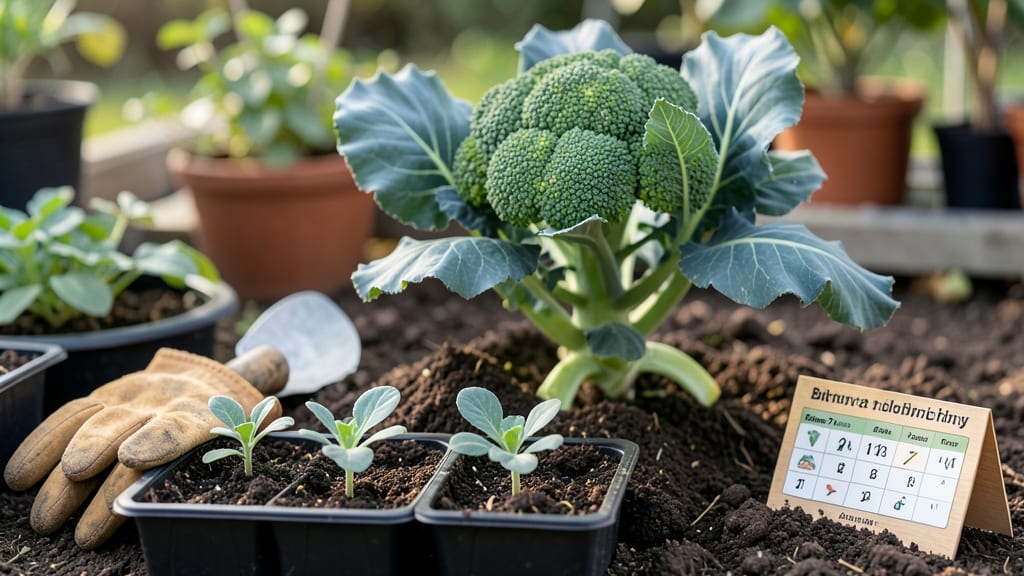
Planting broccoli in Zone 7a means timing it 4–6 weeks before your last frost—typically mid-March to early April—to dodge both cold snaps and summer’s heat.
If you’ve ever watched your 🥦 plants bolt before they form heads or wilt under Zone 7a’s unpredictable spring weather, you’re not alone. The key isn’t just the calendar—it’s soil temperature (aim for 40–50°F) and whether you’re starting seeds indoors or sowing directly.
Spring planting gives you a harvest by late May or June, but fall offers a second chance with August–September sowings for October–November crops. Both windows rely on the same science: cool roots and warm air, never the other way around.
Below, I’ll break down the exact weeks to plant, how to prep your soil for Zone 7a’s clay-heavy earth, and which varieties hold up best when summer finally arrives.
Best planting weeks for broccoli in Zone 7a (with frost date calculations)
In Zone 7a, where last frost dates typically fall between March 15–April 15, timing your broccoli planting is everything. Miss the window, and you’ll either lose seedlings to frost or watch your plants bolt in summer heat.
The key? Start 4–6 weeks before your last frost for spring crops, or 8–10 weeks before your first frost (around November 15) for fall harvests. This ensures your plants mature before extreme temperatures strike.
Zone 7a’s mild winters and hot summers create unique challenges. Unlike cooler zones, spring planting must account for soil warming—broccoli needs 40–50°F soil to germinate. If your soil heats up too fast, direct sowing after April 15 risks poor germination.
Meanwhile, fall planting must avoid late-summer heat stress, which can cause bolting before harvest.
Here’s the exact planting schedule tailored to Zone 7a’s climate, including adjustments for microclimates (like sheltered garden beds) and soil temperature thresholds:
For spring planting, I recommend starting seeds indoors 4–6 weeks before your last frost (around February 1–March 1 for Zone 7a). This gives seedlings a head start, but beware: overcrowded trays or poor light can lead to leggy seedlings.
Harden them off for 7–10 days before transplanting after the last frost. If direct sowing, wait until soil reaches 40°F—use a soil thermometer to check!
Zone 7a’s summer heat makes fall planting a game-changer. Aim to sow seeds or transplant 8–10 weeks before your first frost (around August 1–September 15). This timing ensures harvests in October–November, before winter chill sets in.
Choose heat-tolerant varieties like 'De Cicco' or 'Calabrese' to avoid bolting. Mulch heavily to keep roots cool and moist.
Don’t overlook succession planting—it’s how I extend my harvest for months. In Zone 7a, sow broccoli every 2–3 weeks from April through July. This staggered approach ensures a steady supply, but stop by mid-June to avoid summer heat stress.
For example, plant a batch on April 15, another on May 1, and a final one on June 15 for harvests through July–September.
Microclimates can shift your planting window by 1–2 weeks. A south-facing bed warms faster, so you might plant 1 week earlier than the average. Conversely, shady or windy spots delay soil warming—wait an extra week before sowing. Always monitor soil temperature and adjust accordingly. Pro tip: Use black plastic mulch to warm soil faster in cool springs.
One common mistake? Planting too close to frost dates. Seedlings need 2–3 weeks to establish roots before facing 28°F+ temps. If frost threatens, cover plants with row fabric or a cloche.
For fall crops, protect seedlings with low tunnels if early frosts arrive. Timing isn’t just about dates—it’s about preparing your garden for success.
Ready to plant? Grab your soil thermometer, mark your frost dates, and choose your varieties wisely. With this schedule, you’ll enjoy bold, flavorful broccoli heads from spring through fall—no more wasted plants or bitter surprises! 🥦
How to extend your broccoli harvest in Zone 7a: fall planting strategies
Fall planting gives you a second chance at broccoli in Zone 7a, where summer heat often ruins spring crops. By choosing the right timing and heat-tolerant varieties, you can harvest crisp heads in October and November—just in time for holiday meals.
The key is starting seeds 8-10 weeks before your first frost (typically by early September) to ensure mature plants before cold sets in.
Zone 7a’s mild winters and warm summers create perfect conditions for fall broccoli, but you’ll need to adjust your approach. Unlike spring planting, fall broccoli thrives in cooler soil and shorter days.
Heat-tolerant varieties like ‘De Cicco’ and ‘Waltham 29’ are your best bets—they handle summer’s lingering warmth better than standard varieties, which bolt quickly when temperatures rise above 80°F.
- 📅 August 1–15: Start seeds indoors under grow lights or sow directly in well-drained soil if night temps stay below 75°F.
- 🌱 September 1–15: Transplant seedlings to garden beds, spacing them 18–24 inches apart in full sun (6+ hours daily).
- 🌡️ September 16–30: Harden off seedlings and monitor soil temps—ideal range is 50–65°F for germination.
- 🛡️ October 1+: Use row covers or cold frames if frost threatens (28°F or below).
Pro Tip: Mulch with straw to retain soil warmth and protect roots.
Soil prep is critical for fall broccoli. Zone 7a’s clay-heavy soils can compact easily, so amend with 2–3 inches of compost or aged manure to improve drainage. Aim for a pH of 6.0–7.0—broccoli hates acidic soil.
Work in a balanced fertilizer (like 10-10-10) at planting, then side-dress with nitrogen-rich compost 4 weeks later to encourage leafy growth.
Protecting your fall crop from early frosts is non-negotiable. Even ‘Waltham 29’, a cold-hardy variety, will suffer if temps dip below 25°F. Use floating row covers or low tunnels to shield plants until heads form.
If frost hits after harvest, cover plants overnight with blankets or burlap to extend their lifespan by 1–2 weeks.
Watering shifts in fall—broccoli needs 1–1.5 inches of water weekly, but reduce frequency as temps drop. Water deeply in the morning to prevent fungal diseases like downy mildew, which thrives in damp leaves. Avoid overhead sprinklers; instead, use drip irrigation or soaker hoses to keep foliage dry.
Harvest your fall broccoli when the main head reaches 4–6 inches wide and florets are tightly closed. Cut the stem 5–6 inches below the head to encourage side shoots, which produce smaller but edible heads for weeks.
With proper care, a single fall planting can yield 2–3 harvests before winter sets in—making it a gardener’s secret to year-round abundance.