
Plants
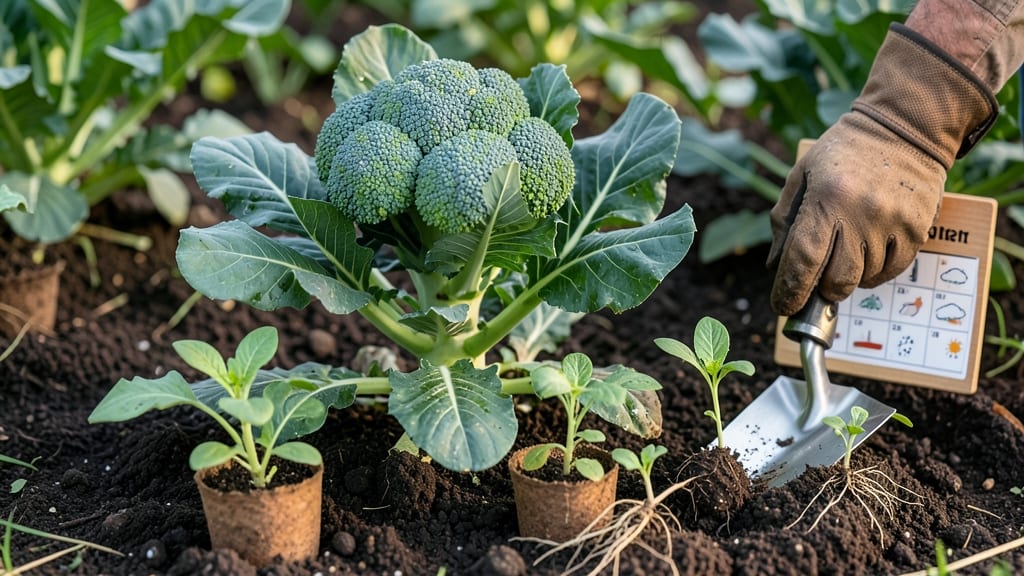
To plant broccoli in Massachusetts at the perfect time means avoiding the bitter disappointment of bolting plants—those that flower too soon and turn tough.
Massachusetts gardeners know timing is everything—and planting broccoli too early or late can trigger bitter disappointment as plants bolt before harvest. But master these exact months, and you’ll enjoy crisp, flavorful heads all season long.
Spring is your first window, with mid-April to late June being ideal for cool-season 🥦 varieties that thrive in Massachusetts’ 6a zone. Fall planting follows, from late July to early August, for a second harvest just before frost.
Below, I’ll break down the exact frost-free dates, soil prep secrets, and how to stretch your harvest with succession planting—so you never miss a chance to grow sweet, tender broccoli.
Best months to plant broccoli in Massachusetts (avoiding bolting risks)
Massachusetts gardeners face a unique challenge with broccoli: our cool spring and hot summers can trigger bolting if planted at the wrong time. The key is planting when soil temperatures stay below 75°F—this prevents those bitter, flower-stalk-filled disappointments.
I’ve grown broccoli in Zone 5a-6b for years, and these timing tricks work every time.
Broccoli thrives in two distinct windows here: late April to early May for spring harvests and mid-August for fall crops. Missing these dates risks bolting from either lingering winter chills or summer heat. Let’s break down the exact months that work—and why.
📋 Critical Planting Windows in Massachusetts
For spring planting, aim for late April to early May—this gives seedlings time to establish roots before summer heat arrives. I start seeds indoors in March for transplants ready by late April.
The last frost date in most of Massachusetts is around mid-April, but don’t rush—wait until soil warms to 50°F.
My fall planting secret? Mid-August is the sweet spot. By this time, daytime highs drop below 80°F, and nights stay cool—perfect for broccoli’s growth. Plant 100-120 days before your first frost (usually mid-October), and you’ll harvest through November. Varieties like 'Waltham 29' handle our short seasons beautifully.
Why these months? Broccoli bolts when days get too long (14+ hours) or soil temps exceed 75°F. Planting in June or July guarantees bolting—trust me, I’ve tried! The August window works because shorter days trick the plant into focusing on head formation instead of flowering.
Pro tip: Use black plastic mulch in summer to keep soil cool. I’ve seen 10°F temperature drops under mulch compared to bare soil. Pair this with drip irrigation to maintain even moisture—broccoli hates drying out during head formation.
For containers, stick to 5-gallon pots and plant in partial shade during peak summer.
If you’re tempted to plant earlier (like March), cover seedlings with frost cloth until soil warms. I’ve had success with row covers in Zone 5a gardens, extending the window by 2-3 weeks. Just remove covers when temps hit 60°F during the day to prevent overheating.
Remember: Succession planting is your friend. After your May harvest, sow a second crop in early June for a fall harvest. Choose fast-maturing varieties like 'Calabrese' (58 days) to beat the first frost. I plant these in shaded beds to reduce heat stress.
Bolting isn’t just about timing—it’s about soil prep too. Amend beds with compost and a balanced 5-10-10 fertilizer at planting. My Zone 6b soil tests show broccoli thrives with pH 6.0-7.0. Over-fertilizing with nitrogen can also trigger bolting, so light feeding is key.
🌱 For a foolproof Massachusetts broccoli harvest, stick to these months: late April for spring, mid-August for fall. With these dates, you’ll avoid bolting and enjoy crisp, sweet heads all season long.
How to extend your broccoli season in Massachusetts (cool-season secrets)
Massachusetts gardeners face a short growing window, but with the right strategies, you can enjoy fresh broccoli from early summer through crisp fall harvests. The secret lies in fall planting and succession sowing—two techniques that turn your garden into a year-round broccoli powerhouse.
By choosing the right varieties and timing your plantings precisely, you’ll avoid the heartbreak of early bolting and bitter flavors.
Cool-season broccoli thrives when soil temperatures stay between 45°F and 75°F. In Massachusetts, this means focusing on late summer plantings (August) for fall harvests. Varieties like 'Waltham 29' and 'Calabrese' are cold-hardy champions, perfect for our shorter seasons.
These varieties not only tolerate light frosts but also develop sweeter flavors when exposed to cooler temperatures—making them ideal for extending your harvest well into October.
- 📅 Plant fall broccoli in late July to early August—this gives plants 80-90 days to mature before the first frost (mid-October). Use a row cover to push harvests even later.
- 🌡️ Monitor soil temps—broccoli bolts when soil exceeds 75°F. Test your garden’s heat with a soil thermometer; if it’s hotter, plant in partial shade or use shade cloth.
- 🌱 Choose compact varieties like 'De Cicco' (45 days to harvest) or 'Belstar' (55 days). These mature faster, giving you a head start before cold sets in.
- ⏰ Succession plant every 2 weeks in August for a staggered harvest. Start with 10-12 plants spaced 18 inches apart to maximize yield.
- 🍂 Mulch heavily with straw (4-6 inches) to insulate roots from early frosts. This keeps soil temps stable and protects tender plants from temperature swings.
Succession planting is your ticket to a continuous broccoli supply. Instead of one big harvest, stagger plantings every 2 weeks starting in late July. This ensures you’re always picking fresh heads while older plants mature.
For example, if your first batch bolts in early October, your second planting (from mid-August) will be ready just as the first finishes. Pro tip: Use shade cloth over seedlings if daytime temps exceed 80°F—this prevents heat stress and ensures strong starts.
Don’t overlook the power of row covers to extend your season. Lightweight frost blankets (like Reemay fabric) can push harvests 2-3 weeks later by trapping warmth. Install them at night once temperatures dip below 35°F and remove them during the day for sunlight.
This simple trick turns a potential loss into extra weeks of harvests—perfect for Massachusetts’ unpredictable fall weather.
Soil preparation is just as critical as planting timing. Before sowing, amend your garden beds with compost and aged manure to boost nitrogen levels—broccoli is a heavy feeder, especially during head formation. Aim for a pH of 6.0-7.0 (test your soil with a kit from your local garden center).
If your soil is too acidic, add lime 4-6 weeks before planting. Well-drained, fertile soil is the foundation for cold-hardy, high-yielding broccoli.
Finally, embrace the microgreens strategy for late-season plants. If your broccoli starts to bolt before forming heads, harvest the tender side shoots instead. These young shoots are packed with flavor and nutrients, giving you a second chance to enjoy your plants.
It’s a win-win: you avoid waste, and your garden stays productive until the first hard frost.