
Plants
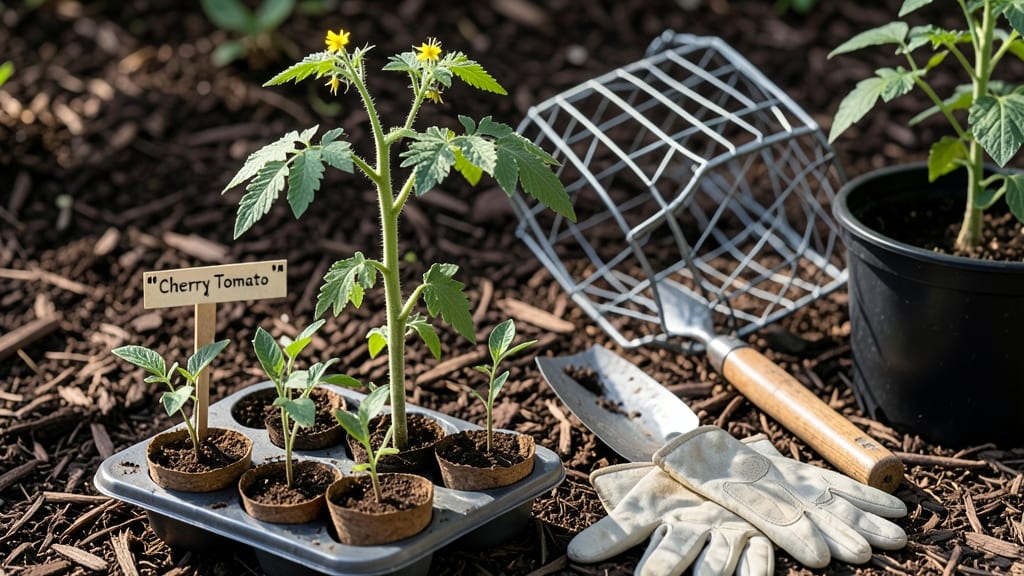
Planting fall tomatoes in Houston means timing them to ripen before the first frost—typically between mid-August and early September—when days are still long enough for fruit to set.
Houston’s long, hot summers can make gardening a challenge—but with the right timing, you can grow thriving fall tomatoes that ripen before the first frost. Miss these critical planting windows, and your harvest could be ruined by cold snaps or stunted growth.
In Houston’s Zone 9a, where frost rarely hits before December, the key is starting seeds indoors 4-6 weeks before transplanting. This gives your 🍅 plants enough time to mature before temperatures dip, ensuring a bountiful harvest in October or November.
Below, I’ll walk you through the exact dates, soil prep tips, and local varieties that thrive in Houston’s subtropical climate—so you can avoid common mistakes and maximize your yield.
Houston’s fall tomato planting timeline: exact dates by variety
Houston’s subtropical climate means fall tomatoes thrive when planted at the right time—just 4-6 weeks before your area’s average first frost (typically November 15–December 15). The key is choosing heat-tolerant varieties for early planting and cold-hardy types for later successions.
Get this wrong, and you’ll face stunted growth or lost harvests from unexpected cold snaps.
For Houston gardeners, the ideal fall planting window runs from mid-August to early September. This timeline accounts for Houston’s USDA Zone 9a climate, where soil temperatures stay warm longer than in colder regions.
Plant too early, and your tomatoes will bolt (flower prematurely) in the heat; too late, and they won’t mature before frost.
Below is your Houston-specific fall tomato planting schedule, broken down by variety type and transplant dates to ensure a frost-free harvest. Use this as your roadmap to avoid common mistakes like overcrowding or poor soil prep, which can derail even the best-laid plans.
| Variety Type | Heat Tolerance | First Transplant Date | Days to Harvest | Estimated Harvest Window | Houston Notes |
|---|---|---|---|---|---|
| Heat-Tolerant (e.g., 'Solar Fire', 'Heatmaster') | Very High | August 1–15 | 60–70 days | October 1–31 | Plant early to beat summer heat; use shade cloth if temps exceed 95°F. |
| Moderate (e.g., 'Celebrity', 'Early Girl') | High | August 15–31 | 70–80 days | October 15–November 15 | Best for succession planting; avoid transplanting after September 10. |
| Cold-Hardy (e.g., 'Mountain Merit', 'Stupice') | Low | September 1–15 | 80–90 days | November 1–December 1 | Risky but possible; use row covers after October 15. |
| Cherry (e.g., 'Sweet 100', 'Sun Gold') | Moderate | August 15–September 1 | 55–65 days | September 30–November 15 | Fast producers; prune aggressively to prevent disease in humidity. |
Your transplant dates depend on the variety’s maturity time and Houston’s unpredictable fall weather. For example, 'Solar Fire', a heat-tolerant variety, should hit the ground by August 1 to finish by October 1, while 'Mountain Merit'—a cold-hardy option—needs a September 1 start to avoid frost damage.
Always check your local frost dates (Houston’s can vary yearly!), and adjust by 1–2 weeks if needed.
Pro tip: Start seeds indoors 6–8 weeks before your target transplant date to give seedlings a head start. Houston’s summer heat can stress young plants, so use shade cloth or drip irrigation to keep them thriving until they’re ready for the garden.
I’ve found that seedling trays under 50% shade during August produce stronger transplants.
Don’t forget to harden off seedlings before transplanting! Acclimate them to outdoor conditions over 5–7 days by gradually increasing their time outside. Skip this step, and your plants may go into shock when moved to the garden, delaying growth.
For Houston’s humidity, I also recommend trellising indeterminate varieties early to improve airflow and reduce blight risk.
If you’re planting succession crops (like every 2 weeks in August), stick to fast-maturing varieties (e.g., 'Early Girl') to maximize your harvest. Succession planting ensures you’re always picking ripe tomatoes instead of facing a glut or shortage.
I’ve had the best luck with cherry tomatoes in late August plantings—they ripen quickly and handle Houston’s variable fall temps better than larger varieties.
Watch for Houston’s microclimates: Areas near water bodies or urban heat islands stay warmer longer. If you’re in a cooler pocket, plant 2 weeks earlier than the timeline suggests. Conversely
How to extend Houston’s fall tomato growing season with smart techniques
Houston’s fall season brings cooler temperatures, but it also means the first frost can arrive as early as December 1. To ensure your tomatoes ripen before the cold sets in, you’ll need to use season-extending strategies tailored to our USDA Zone 9a climate.
The key is balancing heat protection with frost prevention—and the right techniques can add 4-6 extra weeks to your growing season.
One of the most effective methods is using black plastic mulch, which warms the soil and suppresses weeds. Pair this with row covers or lightweight frost blankets to shield plants from unexpected cold snaps.
For varieties like ‘Celebrity’ or ‘Early Girl’, these tools can make the difference between a bountiful harvest and a failed crop.
- 1. Choose fast-maturing varieties: Select ‘Solar Fire’ (60 days) or ‘Mountain Merit’ (65 days)—both thrive in Houston’s heat and ripen before frost.
- 2. Use black plastic mulch: Lay it down 2-3 weeks before planting to warm soil to 70°F+, speeding up germination.
- 3. Install shade cloth (30-50%): Protect young plants from late-summer heat stress (100°F+ temps) by draping cloth over cages.
- 4. Apply row covers in October: Use floating row covers to block light frosts (28°F+) while allowing sunlight and rain.
- 5. Prune for airflow: Remove lower leaves to prevent disease buildup and improve circulation in crowded plants.
- 6. Fertilize strategically: Switch to a low-nitrogen, high-phosphorus fertilizer (e.g., 5-10-10) in late September to boost fruiting.
Another critical tactic is succession planting. Instead of planting all your tomatoes at once, stagger them every 2-3 weeks from mid-August to early September. This ensures a continuous harvest and reduces the risk of losing an entire crop to a sudden cold front.
For example, plant ‘Celebrity’ in late August and ‘Early Girl’ in early September—their overlapping maturity dates will give you tomatoes from October through November.
Don’t overlook the power of container gardening for fall tomatoes. Pots allow you to move plants closer to your home or under a carport if frost threatens. Use 5-gallon containers for determinate varieties and 10-gallon pots for indeterminate types.
Fill them with a lightweight, well-draining mix (e.g., 60% compost, 30% potting soil, 10% perlite) to prevent root rot in Houston’s humid falls.
Finally, monitor your local frost forecast closely. Sign up for alerts from the National Weather Service or use a soil thermometer to track temperatures.
If a hard frost (28°F) is predicted, cover plants with burlap sacks or frost blankets at dusk and remove them by 10 AM the next day to avoid heat stress.
With these techniques, you can push your fall tomato season well past Houston’s average first frost date—giving you homegrown tomatoes well into December. Just remember: fast varieties + protective tools + smart timing are your best allies against Houston’s unpredictable fall weather. 🌱🍅