
Plants
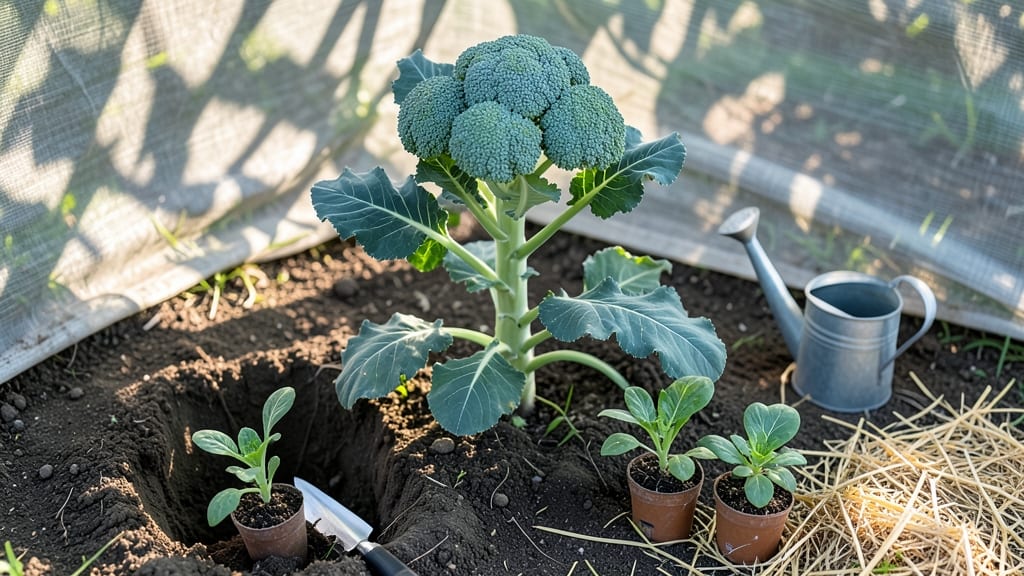
Planting broccoli in Arizona means timing it for cool seasons when the desert’s heat won’t send your 🥦 bolting into bitter flowers before harvest.
Arizona’s scorching summers and unpredictable monsoons can turn your broccoli plants into bitter, bolted disappointments—unless you time your planting just right.
In USDA Zone 9b, the sweet spot is October to November for a fall crop, or February to March for spring—both windows avoid the extreme heat that triggers bolting.
Below, I’ll break down the exact planting schedule for your microclimate, plus soil prep tips to keep your broccoli thriving through Arizona’s tricky growing seasons.
Optimal Arizona broccoli planting months to avoid bolting
Arizona’s broccoli bolting problem isn’t just about heat—it’s about timing. The Grand Canyon State’s microclimates (from USDA Zone 6 mountain areas to Zone 10 deserts) create wildly different growing conditions. Plant too early, and your broccoli faces scorching summer temps that trigger bolting.
Plant too late, and you miss the cool-season window when broccoli thrives. Let’s break down the perfect planting months for Arizona’s three main broccoli varieties: 'De Cicco', 'Calabrese', and 'Packman'.
Most Arizona gardeners focus on fall and spring planting, but winter offers a hidden opportunity for high-elevation areas (Zones 6-8). The key is avoiding temperatures above 80°F during head formation, which causes bitter, premature bolting.
Even 'Packman', the most heat-tolerant variety, struggles when daytime highs exceed 85°F for more than 2 weeks. That’s why October-November and February-March are your safest bets for most of the state.
🌱 Arizona Broccoli Planting Timeline
| Planting Window | Best For | Heat Risk | Varieties | Harvest Window |
|---|---|---|---|---|
| Late September - October | Low desert (Zones 9-10) | Moderate (use shade) | 'Packman', 'De Cicco' | December - January |
| October - November | Mid-elevation (Zones 7-8) | Low (ideal) | All varieties | January - February |
| February - March | High desert (Zones 6-7) | None (spring planting) | 'Calabrese', 'Packman' | April - May |
| December (high elevations) | Mountains (Zones 6-7) | Minimal (winter frost) | 'De Cicco' | March - April |
For low-desert gardeners in Phoenix or Tucson (Zones 9b-10a), your only safe window is late September through October. By November, daytime temps often dip into the 70s°F, which broccoli tolerates well, but nights must stay above 50°F to prevent stunting.
If you plant in September, use 30-50% shade cloth after 2 PM to protect young seedlings from 100°F+ afternoons.
The 'Packman' variety is your best bet for heat tolerance, handling up to 85°F better than others, but even it bolts if stressed. 'Calabrese', while classic, needs consistent 60-70°F temps for head formation.
That’s why October plantings in Zone 9 often produce better results than February, when unpredictable 90°F+ days can sneak in early.
If you’re in Flagstaff or Sedona (Zones 6-7), February-March planting is ideal—you’ll avoid summer heat entirely and harvest by May. These cooler areas can even squeeze in a December planting for a spring harvest, but protect seedlings with row covers if frost threatens.
The last frost date in these zones is typically March 15, so time your transplanting for mid-to-late March.
One common mistake Arizona gardeners make is planting too early in spring (January-February) and then facing unpredictable heat spikes by March. By mid-March in Phoenix, daytime temps can hit 90°F, forcing broccoli to bolt within 2-3 weeks.
Always check the 10-day forecast before planting—if highs are predicted to exceed 80°F during head formation, delay your planting by 2-4 weeks.
For container growing in Arizona, your options are even more limited. Broccoli in pots heats up 3-5°F faster than in-ground plants, so only plant in containers after October 15 in most zones. Use black fabric pots (they absorb
How to extend Arizona’s broccoli growing season with shade and mulch
Arizona’s 100°F+ temperatures can send broccoli into a bolting frenzy within weeks, turning your nutrient-packed heads into bitter stems. The secret? Strategic shade and mulching to regulate soil temps and moisture. I’ve grown broccoli in Phoenix and Flagstaff—here’s exactly how I beat the heat.
Broccoli thrives in cool weather (50-75°F), but Arizona’s desert summers push it past its heat tolerance threshold. Without protection, your plants will yellow, bolt, or wilt before forming heads. The fix? Shade cloth and organic mulch to mimic ideal growing conditions.
⚠️ WARNING: Common Mistake
Start with 30-50% shade cloth (white or silver) to filter intense afternoon sun. Install it permanently over beds or use movable frames for spring/fall transitions.
I use 6-foot-tall hoops with agricultural fabric—cheap and reusable for years. For container gardens, drape shade over pots to prevent soil overheating.
Mulch is your soil’s air conditioner. Apply 3-4 inches of straw or wood chips to block heat absorption and retain moisture. My go-to mulch? Pine straw—it’s locally available, decomposes slowly, and suppresses weeds. Replenish every 2-3 months to maintain insulation. Avoid plastic mulch—it traps heat and accelerates bolting.
Monitor soil temperature with a thermometer—keep it below 80°F. If temps rise, water deeply in the morning to cool the soil. I’ve seen 10°F drops in soil temp after 1 inch of water on mulched beds.
Pair this with drip irrigation to avoid leaf burn from overhead watering.
For extended harvests, try successive planting with shade. Start late August for fall crops, then January for spring. My Flagstaff garden yields broccoli year-round using these tricks—even in Zone 7a. The key? Balance shade, mulch, and water to trick broccoli into thinking it’s spring all year.