
Plants
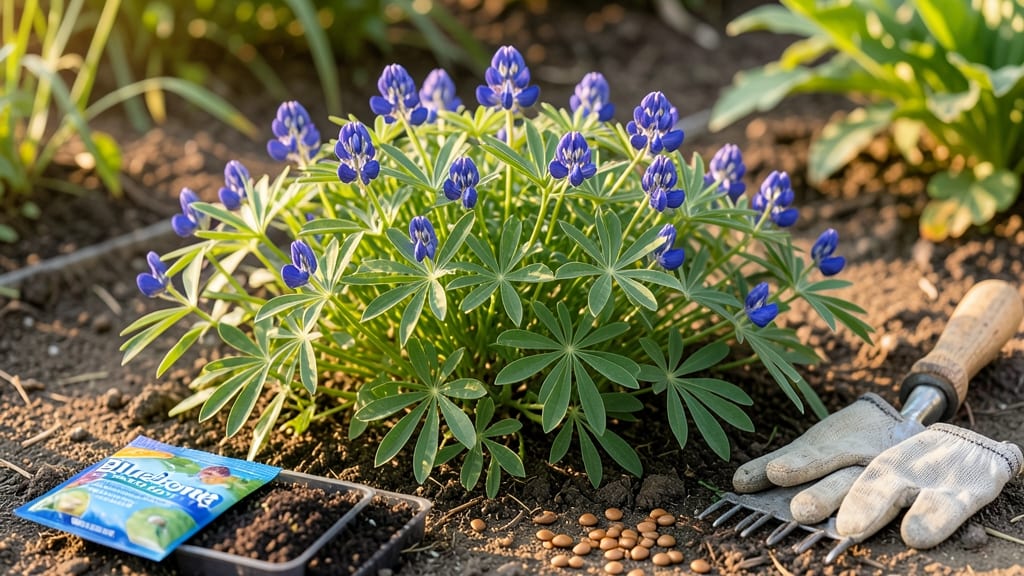
To plant bluebonnet seeds in South Texas for stunning spring blooms, aim for late fall—between October and November—when soil temperatures dip below 80°F and summer’s scorching heat fades.
South Texas gardeners know the magic of bluebonnets—those iconic blue wildflowers that carpet the state in spring—but timing their planting perfectly is the secret to a breathtaking display. Plant too early, and you risk frost; too late, and you might miss the winter rains that trigger their growth.
The key is sowing seeds after summer’s last heatwave, when soil stays moist from October showers but before December’s occasional frost. In zones 9a-10a, this window ensures seeds germinate just in time for winter’s natural watering cycle.
Below, I’ll walk you through the exact steps—from soil prep to post-planting care—to turn your South Texas landscape into a bluebonnet paradise next spring.
Best months to plant bluebonnet seeds in South Texas for spring blooms
South Texas’s mild winters and hot summers create a unique window for planting bluebonnet seeds. Unlike northern regions, you don’t need to worry about harsh freezes, but timing still matters to ensure optimal germination and vibrant spring blooms.
The best months to plant are September through November, when soil temperatures stay warm enough to encourage root development before winter rains arrive.
Bluebonnets thrive when planted in fall, taking advantage of South Texas’s cooler winter temperatures and natural rainfall patterns. This timing allows seeds to establish roots without competing with summer heat or early spring droughts. Here’s your month-by-month breakdown for maximum success.
| Month | Soil Temp (°F) | Rainfall Needs | Frost Risk | Best Planting Time |
|---|---|---|---|---|
| September | 75-85°F | Moderate (3-5 in) | Low | End of month (after heatwaves) |
| October | 65-75°F | High (4-6 in) | Very Low | Early to mid-month |
| November | 55-65°F | Moderate (2-4 in) | Minimal (Dec risk) | First half (before cold snaps) |
| December | 45-55°F | Low (1-2 in) | Possible (late month) | Only if soil is workable |
For September plantings, focus on the last two weeks when daytime highs drop below 90°F. This gives seeds time to germinate before summer’s residual heat becomes overwhelming. Aim for well-drained soil to prevent rot, especially after South Texas’s occasional late-summer storms.
October is the sweet spot for bluebonnet seeds. The cooler temperatures (65-75°F) and increased rainfall create perfect conditions for germination. Plant in early October to catch the first winter rains, which naturally water your seeds without over-saturating the soil. This month offers the highest success rates for South Texas gardeners.
November extends the planting window but requires more caution. Soil temperatures drop to 55-65°F, which can slow germination. Plant in the first half of November to avoid late-month frost risks. If you’re in Zone 9a, you might push to mid-November, but monitor local forecasts for sudden cold snaps.
December is a riskier month for planting bluebonnets in South Texas. While frost is rare in Zone 10a, temperatures can dip below 50°F, which may stunt seedling growth.
Only plant in December if your soil remains workable and unfrozen, and choose a sheltered location to protect young sprouts.
To maximize your bluebonnet blooms, pair planting with soil preparation. Work in compost or aged manure before sowing to improve drainage, and avoid heavy fertilizers that encourage leafy growth over flowers. After planting, lightly mulch with straw to retain moisture and suppress weeds without smothering seeds.
Remember that bluebonnets are drought-tolerant once established, but seeds need consistent moisture to germinate. Water lightly but frequently (every 2-3 days) until seedlings appear, then taper off to encourage deep root growth. South Texas’s winter rains will take over once sprouts are 2-3 inches tall.
For the best results, plant bluebonnet seeds directly in the ground rather than starting indoors. They thrive with minimal disturbance and benefit from the natural soil microbes of South Texas’s native landscapes.
Scatter seeds thinly (about 1/4 lb per 1,000 sq ft) and press them lightly into the soil—no need for deep planting.
Timing your bluebonnet planting correctly ensures a sea of blue blooms by spring. Whether you choose September’s warmth, October’s reliability, or November’s cooler days, these iconic Texas wildflowers will reward your patience with a stunning spring display that attracts pollinators and brightens landscapes alike. 🌸
How South Texas weather affects bluebonnet germination and growth
South Texas’s unpredictable weather can make or break your bluebonnet dreams. The region’s hot summers and mild winters create a unique growing window, but temperature swings and rainfall patterns demand careful timing.
Seeds need consistent moisture to germinate, yet too much water can drown them. Understanding these factors helps you adjust planting schedules for success.
Bluebonnets thrive in cool-season conditions, but they’re not frost-hardy. In South Texas (USDA Zones 9a-10a), late fall is ideal because soil stays warm enough for germination while avoiding freezing temperatures.
The key is planting when daytime highs are between 60-75°F and nights dip only slightly below 50°F.
⚠️ callout warning ⚠️
South Texas’s unreliable winter rains can trick you into thinking seeds are sprouting, only to dry out when spring heat arrives. Verify germination by checking for green shoots—not just damp soil. If planted too late (after December 15), seeds may rot before sprouting due to soil saturation from heavy rains.
💡 Pro Tip: Use a soil thermometer—seeds need 60°F+ soil to germinate. Plant when morning lows stay above 45°F.
Rainfall is the wild card in South Texas. Bluebonnets need moderate moisture to germinate but drought tolerance once established. Plant seeds during dry spells in September-October to avoid waterlogged soil.
If rains arrive too early, seeds may wash away or suffocate. Aim for 1 inch of rain weekly during germination (first 4-6 weeks).
Soil moisture levels are critical after planting. In South Texas clay soils, water pools quickly, creating anaerobic conditions that kill seeds. Lightly rake seeds into topsoil (no deeper than ¼ inch) and cover with mulch to retain moisture without smothering.
Monitor soil dampness—seeds need constant moisture but not soggy soil.
Adjust your planting schedule based on local forecasts. If El Niño brings early rains, plant earlier (September). If La Niña delays rains, wait until mid-November.
Check the National Weather Service for 10-day outlooks—aim to plant when 3-4 weeks of dry weather are predicted to avoid seed rot.
Once seeds sprout, growth slows dramatically in South Texas’s winter chill. Young plants enter dormancy if temps drop below 40°F, but they’ll rebound in spring with consistent warmth.
The real magic happens after February, when longer daylight and warmer soils trigger rapid flowering—just in time for spring rains.