
Plants
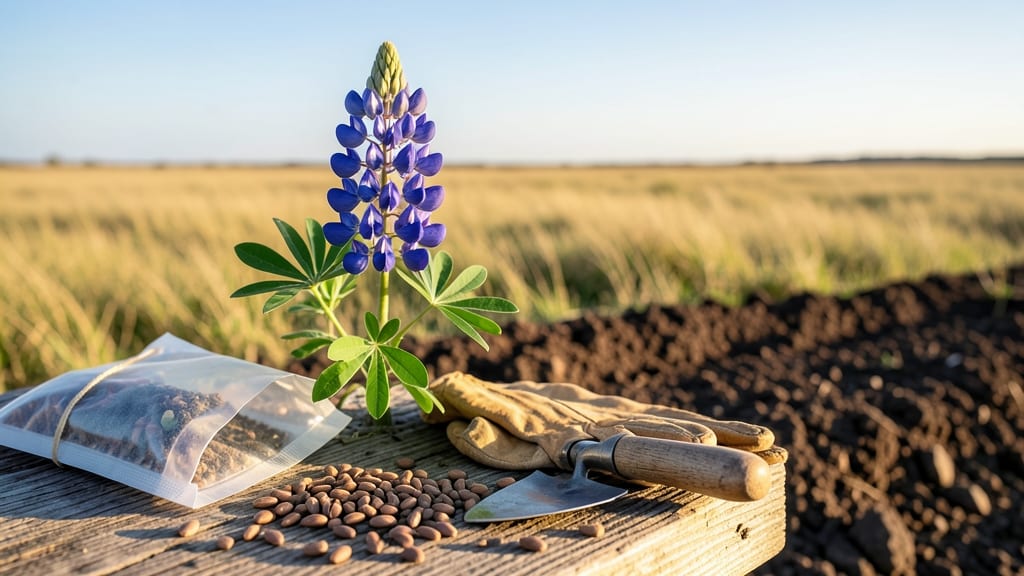
To plant bluebonnet seeds in North Texas for a stunning spring display, aim for late September through November when soil temperatures stay above 60°F and frost risk is low.
North Texas gardeners dream of vibrant bluebonnet carpets 🌸, but timing your planting just right can mean the difference between a stunning spring display and a disappointing flop. One wrong move with frost-sensitive seeds could ruin months of effort.
This fall planting window gives seeds time to germinate before winter dormancy, while avoiding the late-November frost that often catches gardeners off guard. Skip spring planting—bluebonnets need cold stratification, and planting too late means they’ll bolt before flowering.
Below, I’ll break down the exact dates by 7b-8a zone, soil prep secrets, and how to protect your seeds from North Texas’ unpredictable winter shifts—so you get that classic bluebonnet sea come spring.
Optimal bluebonnet planting windows in North Texas (with frost zones explained)
North Texas gardeners know the magic of bluebonnets—those vibrant blue flowers that carpet fields in spring—but getting them right depends on perfect timing. Plant too early, and frost zaps young seeds.
Too late, and they won’t establish roots before winter. The key? Understanding USDA Zones 7b-8a and adjusting for your specific microclimate.
In Zone 7b (Dallas, Waco), the last frost date typically falls around mid-November, while Zone 8a (Fort Worth, Austin) can push planting slightly later, into early December. But don’t wait too long—seeds need 6-8 weeks to germinate before winter dormancy sets in.
For urban gardeners, microclimates matter more than ever. Concrete and buildings can create heat islands, delaying frost by 1-2 weeks. If you’re in a city like Dallas, aim for early October planting to avoid late-season cold snaps.
In contrast, rural areas with cooler nights may benefit from a slightly later window—up to mid-November—but always monitor soil temperatures.
Soil temperature is your best indicator for success. Bluebonnet seeds need 60-65°F soil to germinate. Use a soil thermometer—if temps drop below 50°F at night, cover seeds with a light mulch layer (like straw) to protect them until spring.
This is especially critical in Zone 7b, where nights can turn chilly faster.
One common mistake? Waiting until November’s last week to plant. By then, seeds may not have enough time to establish roots before winter dormancy. Instead, early October gives seeds the 8-week head start they need.
For Zone 8a gardeners, late November can work—but only if your area has mild winters.
Pro tip: Scatter seeds directly on soil—no need to bury them. Bluebonnets rely on light for germination, so covering them with more than 1/4 inch of soil reduces success.
After planting, give the area a light watering (just enough to moisten the top inch) and let nature take over. Overwatering can lead to rot or fungal issues, especially in compacted urban soils.
Remember, bluebonnets are perennials, but they often self-seed prolifically if conditions are right. Once established, they’ll return year after year, rewarding your perfectly timed planting with stunning spring blooms for decades. Start with the right window, and you’ll be the envy of every North Texas gardener!
🌸
How to time bluebonnet seeds for zero-frost germination (step-by-step guide)
Bluebonnet seeds thrive when planted in North Texas' fall window, but timing is everything. A late planting risks frost damage, while early planting can lead to premature sprouting. The key is planting when soil temps hover between 60-70°F—ideal for germination without frost risk.
Use the 7-day pre-planting checklist below to prepare your soil and seeds for optimal success. This method ensures your bluebonnets emerge strong, even if winter surprises us with early frost.
Check Frost Dates
Use the National Weather Service or Texas A&M AgriLife to find your first frost date (typically mid-November in North Texas). Plant 6-8 weeks before this date for zero-frost germination.
Test Soil Temperature
Use a soil thermometer to confirm temps are 60-70°F at 4-inch depth. If cooler, wait 1-2 weeks—bluebonnets won’t germinate below 55°F.
Pre-Sprout Seeds (Optional)
For faster germination, soak seeds in lukewarm water for 24 hours before planting. This mimics natural winter rains and reduces frost sensitivity.
Scatter Seeds Directly
Sow seeds shallowly (1/8-inch deep) in full sun. No covering needed—bluebonnets need light to germinate. Space 6-12 inches apart for optimal blooms.
Mulch Lightly
Apply a thin layer of straw (1/4-inch) to retain moisture without smothering seeds. This protects against temperature swings and late frosts.
Monitor for Sprouts
Check for tiny green shoots in 10-21 days. If frost threatens (32°F), cover seedlings with frost cloth until temps rise.
Water Sparingly
Water deeply but infrequently—1 inch per week—once sprouts appear. Overwatering causes rot in North Texas’ clay-heavy soils.
Pro tip: Plant in late October for the best balance of warm soil and frost avoidance. This timing aligns with North Texas’ average first frost while giving seeds time to establish roots.
For urban gardeners, microclimates matter—plant near south-facing walls to extend the growing season by 2-3 weeks. This simple trick can make all the difference in unpredictable winters.
Remember, bluebonnets are drought-tolerant once established, but seedlings need consistent moisture to survive. A little patience and precision now will reward you with vibrant blue blooms next spring. 🌸