
Plants
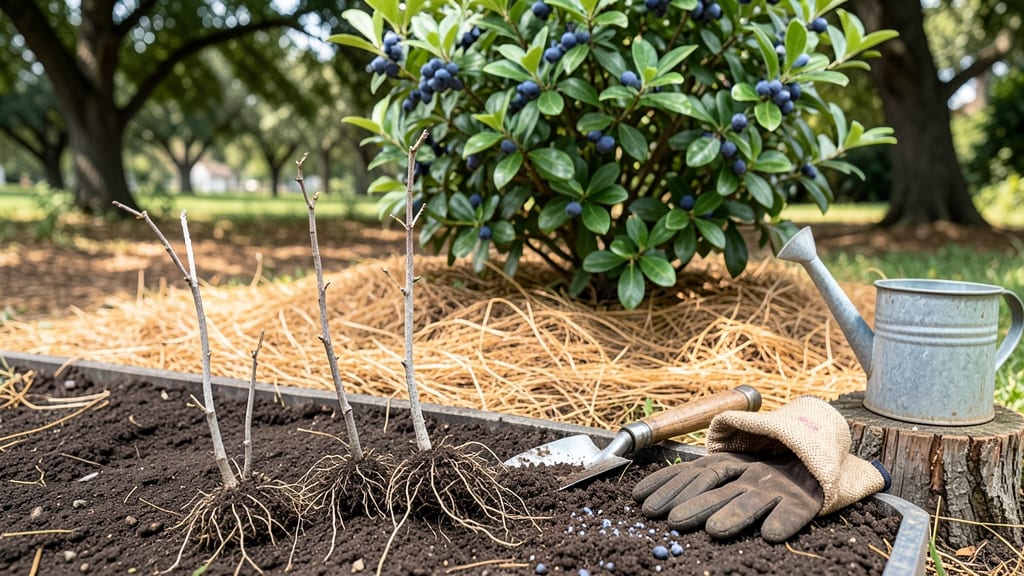
Planting blueberry bushes in Mississippi during late fall to early spring ensures they get the chill hours they need to fruit well—especially in zones 8a-9a where summer heat can be brutal.
Here’s the catch: Mississippi’s warm winters can fool gardeners into waiting too long, but rushing it risks frost damage or stunted growth. The ideal window is February through March, when soil is workable but frosts have passed.
Why does timing matter so much? Blueberry bushes 🫐 need 400-800 chill hours to set buds, and Mississippi’s climate varies by region. Plant too early, and you risk winter injury; too late, and you miss the prime growing season.
In this guide, I’ll break down the exact months for your area, soil prep secrets, and how to pick varieties that thrive in the heat—so you can go from bare roots to a bountiful harvest by next summer.
Mississippi’s blueberry planting timeline by chill-hour zones
Mississippi’s climate might feel like summer all year, but blueberry bushes need specific chill-hour requirements to thrive. The state spans 400 to 800 chill hours, meaning planting windows vary dramatically from the Southern Delta to the Northern hills.
Planting at the wrong time can leave your bushes struggling—or worse, dead—before they even bear fruit.
Understanding your chill-hour zone is critical. Southern Mississippi (like Jackson or Biloxi) typically sees 400-600 chill hours, while Northern areas (like Tupelo or Oxford) can reach 700-800 hours.
These differences mean your planting window could shift by 2-3 months, so let’s break it down by region for foolproof success.
| Zone | Chill Hours | Best Planting Months | Why This Timing? |
|---|---|---|---|
| Southern (e.g., Gulf Coast) | 400-600 | November–January | Avoids late-winter heat and ensures roots establish before summer stress. |
| Central (e.g., Jackson) | 600-700 | December–February | Balances cool roots with warm soil for faster growth. |
| Northern (e.g., Tupelo) | 700-800 | January–March | Lets bushes dormant-acclimate before spring blooms. |
| All Zones | — | Avoid April+ | Late planting risks heat stress and winter dieback. |
For Southern Mississippi, where chill hours are limited, I recommend planting bare-root bushes in November. This gives roots time to establish before the humid heat of summer. In Central Mississippi, December is ideal—cooler temps reduce transplant shock while still allowing roots to grow.
Northern Mississippi’s longer chill hours let you plant later, but don’t wait past early March. If you miss this window, your bushes may bolt into growth too soon, weakening them before winter. I’ve seen gardeners in Tupelo plant in April and lose their entire crop to heat stress.
Another critical factor is soil temperature. Blueberries need soil that’s at least 45°F for roots to thrive. In Southern zones, this happens by mid-November, while Northern zones can wait until February. Use a soil thermometer to check—don’t guess!
If you’re in a transition zone (like Meridian), split the difference: plant in late December. This gives you a buffer if an early heatwave hits. I’ve also had success with container-grown bushes in these areas—they warm up faster and let you adjust timing more flexibly.
Pro tip: Mulch heavily after planting to protect roots from temperature swings. Use pine straw or wood chips—they insulate while keeping soil acidic. I’ve seen unmulched bushes in Jackson suffer from root freeze-thaw cycles in winter, even with "perfect" chill hours.
Finally, avoid planting in fall if you’re in a frost-prone microclimate. For example, North Mississippi’s highlands can drop below 20°F in winter. If you plant in October, young roots may freeze before hardening off. Stick to the January–March window for these areas.
Timing your blueberry planting by chill-hour zones isn’t just about survival—it’s about maximizing fruit production. When done right, your bushes will reward you with bountiful harvests in May–July, not just scrappy survival.
Start with your zone’s ideal window, then adjust based on soil temps and microclimate—your future blueberry pancakes will thank you! 🫐
Step-by-step planting guide for Mississippi’s climate
Mississippi’s warm, humid climate demands careful timing when planting blueberry bushes. Unlike cooler regions, late spring plantings risk heat stress, while early spring gives roots time to establish before summer’s intensity.
The key is preparing soil and choosing the right variety—Southern Highbush for low chill areas or Rabbiteye for higher chill zones—to thrive in your specific microclimate.
Before planting, test your soil pH—blueberries need acidic soil (4.5–5.5). If your soil is alkaline, amend it with sulfur or peat moss months in advance. Also, select a sunny, well-draining spot with protection from harsh afternoon winds. These steps set the foundation for healthy growth and sweet berries.
📋 Step-by-Step Planting Guide
-
Step 1: Choose Your Variety
Select Southern Highbush (e.g., 'Climax') for low-chill areas (300–500 hours) or Rabbiteye (e.g., 'Powderblue') for higher chill zones (500–800 hours).
-
Step 2: Prepare the Soil
Mix compost and pine bark fines into native soil to lower pH. Dig a hole twice as wide as the root ball but no deeper.
-
Step 3: Plant in Early Spring
Plant bare-root bushes in February–March or container-grown bushes in late winter (avoid summer heat). Space bushes 4–6 feet apart.
-
Step 4: Water Deeply
Water 1–2 gallons per plant immediately after planting. Keep soil moist but not soggy for the first 6–8 weeks.
-
Step 5: Mulch and Fertilize
Apply 3 inches of pine straw mulch to retain moisture and acidify soil. Use acid-loving fertilizer (e.g., 10-10-10) in early spring.
-
Step 6: Prune for Shape
Remove dead or crossing branches in late winter to improve airflow. Prune lightly after harvest to encourage new growth.
-
Step 7: Monitor for Pests
Watch for blueberry maggots or aphids. Use neem oil or insecticidal soap if needed, but avoid harsh chemicals near harvest time.
Mississippi’s humidity and heat can stress young blueberry bushes, so avoid planting in late spring or summer. Instead, focus on early spring planting and consistent care to help roots establish before the hottest months.
With the right soil prep and variety selection, your bushes will reward you with juicy berries for years.
Pro tip: Group bushes in a 4-foot circle to create a pollination-friendly microclimate. This mimics natural blueberry ecosystems and boosts fruit set. Just remember—patience is key! Blueberries take 2–3 years to bear fruit, but the wait is worth it for those first sweet, homegrown berries.
🌱