
Plants
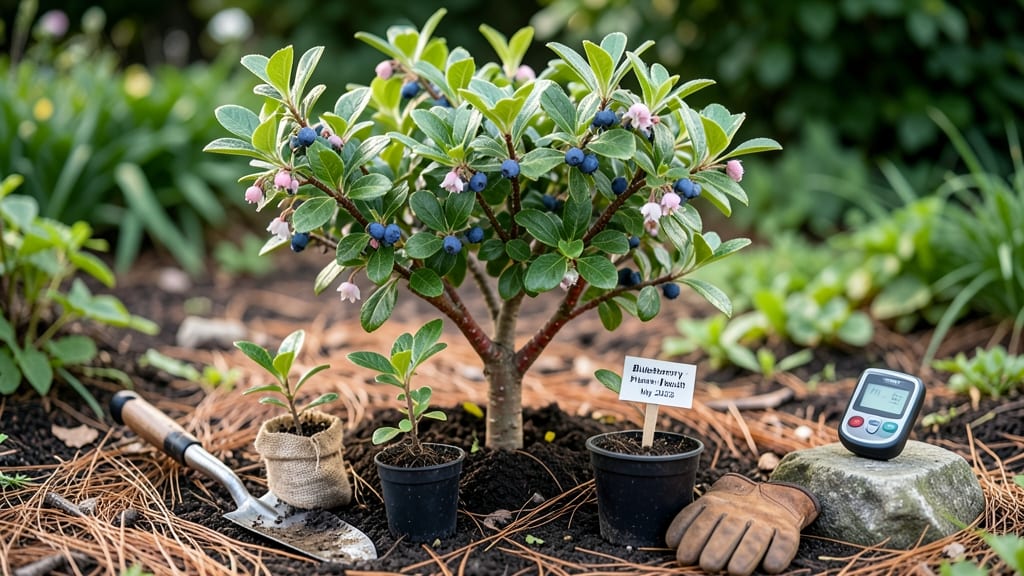
Planting blueberries in Zone 5 about 4-6 weeks before your last frost is the key to giving them a strong start before summer heat arrives.
If you’ve ever watched a blueberry bush struggle through a Zone 5 winter or fail to thrive because of poor timing, you know how critical this window is. The right moment ensures roots establish before the ground cools again, setting the stage for years of sweet harvests.
In Zone 5, that means aiming for late April to early June—right after the soil warms to at least 45°F and the threat of frost has passed. Too early, and frost can damage tender roots; too late, and your bush won’t have time to settle in before summer’s demands.
Below, I’ll walk you through how to pinpoint your exact planting date, prep the soil for acid-loving blueberries, and keep your bushes thriving through their first critical months.
Best weeks before last frost to plant blueberries in Zone 5
In Zone 5, planting blueberries too early risks frost damage, while waiting too late delays root establishment. The ideal window is 4-6 weeks before your last frost date, typically mid-April to early May for most of Zone 5.
This timing ensures soil is workable but not frozen, while still allowing roots to establish before summer heat arrives.
Zone 5 spans two sub-zones: 5a (colder) and 5b (warmer). For 5a, aim for late April planting, while 5b gardeners can plant as late as early May. Check your local USDA frost map to pinpoint your exact last frost date—this is your planting deadline's starting point.
Soil temperature is just as critical as air temperature. Blueberries thrive when soil reaches 45°F (7°C)—use a soil thermometer to confirm readiness. Cold soil slows root growth, while warm soil speeds up establishment. In Zone 5, this usually aligns with late April for most regions.
To calculate your exact planting date, subtract 4-6 weeks from your last frost date. For example, if your last frost is May 10, plant between April 3 and April 17. Use Almanac's Frost Calculator for precise local data—this tool accounts for microclimates and historical patterns in your area.
Container-grown blueberries offer more flexibility than bare-root plants. If you're planting potted blueberries, extend your window to 2 weeks after last frost, as their roots establish faster. Bare-root plants, however, need that 4-6 week buffer to harden off and avoid transplant shock.
| Zone 5 Sub-Zone | Last Frost Date | Planting Window | Soil Temp Goal | Key Consideration |
|---|---|---|---|---|
| Zone 5a | April 25 - May 5 | Late April (April 15-30) | 45°F (7°C) | Colder nights; prioritize frost protection |
| Zone 5b | May 5 - May 15 | Early May (May 1-15) | 45°F (7°C) | Warmer microclimates; extend window slightly |
| Both Zones | N/A | 4-6 weeks before frost | 45°F (7°C) | Soil workability > air temperature |
| Container Plants | N/A | 2 weeks after frost | 50°F (10°C) | Faster root establishment |
Your blueberries' root zone needs time to establish before summer heat arrives. Planting 4-6 weeks before last frost gives roots 6-8 weeks to grow before peak summer stress. This head start means healthier plants and earlier fruit production in subsequent years.
If your soil stays waterlogged in spring, delay planting until it drains better. Blueberries hate soggy roots—amend heavy clay with peat moss or compost to improve drainage. Test soil pH too; blueberries need acidic soil (pH 4.5-5.5). Adjust with sulfur or pine needles if needed.
Mulch your newly planted blueberries with 3-4 inches of pine straw to retain moisture and regulate soil temperature. This protects roots from temperature swings and keeps soil consistently warm, which is critical in Zone 5's unpredictable spring weather.
Remember: Zone 5's short growing season demands precision. Planting at the right time isn't just about avoiding frost—it's about giving your blueberries the best possible start for a lifetime of sweet harvests. Mark your calendar now and set reminders for soil prep and planting day!
Signs your Zone 5 blueberry planting timing is perfect (or wrong)
Getting the timing right for planting blueberries in Zone 5 means watching for specific clues from your soil, weather, and even the plant itself. These signs tell you whether your blueberry bushes are ready to thrive—or if you've planted too soon or too late.
First, check your soil temperature. Ideal planting occurs when soil reaches 45°F (7°C) at least 6 inches deep. Use a soil thermometer to confirm—cold soil slows root growth and weakens young plants before winter.
Next, monitor frost forecasts. Planting 4-6 weeks before your last frost date gives roots time to establish before summer heat arrives. In Zone 5, this typically means late April to early May, but verify with your local USDA Plant Hardiness Zone map.
⚠️ callout warning
⚠️ Common Mistakes to Avoid
Planting too early: Soil is still frozen or too wet, causing root rot or frost damage to tender shoots. Sign: Yellowing leaves or stunted growth within weeks.
Planting too late: Roots struggle to establish before summer heat, leading to shallow root systems and poor winter survival. Sign: Wilting even with regular watering.
Ignoring soil pH: Blueberries need acidic soil (pH 4.5–5.5). Planting in alkaline soil (pH 7+) causes chlorosis (yellow leaves with green veins). Fix: Test soil before planting!
Healthy blueberry plants show firm, green stems and buds ready to swell when it's time to plant. Avoid planting if buds are already opening—this signals you've waited too long, and the plant may struggle in Zone 5 heat.
Finally, watch the weather forecast for 5+ days without frost. Planting during a warm spell reduces transplant shock. If rain is predicted, delay planting to avoid waterlogged soil, which suffocates roots.
By combining these soil, weather, and plant health signals, you'll know exactly when your Zone 5 blueberries are ready for the ground—setting them up for a bountiful harvest in July or August. 🫐