
How To
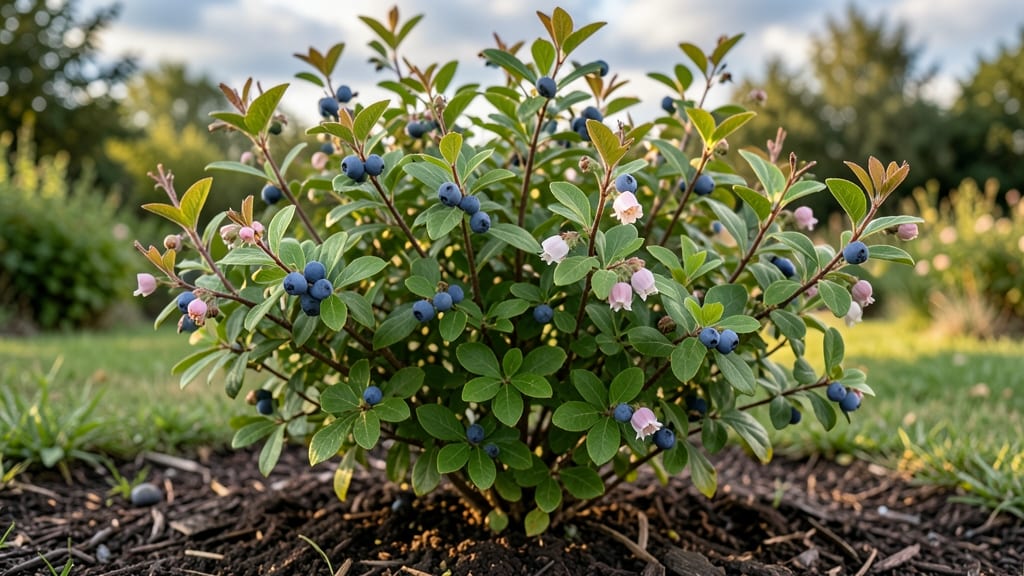
How tall blueberry bushes grow can vary dramatically—from just 3 feet to over 12 feet, depending on the variety and the care you provide.
Picture this: You’ve just planted your first 🫐 blueberry bush, dreaming of a backyard full of juicy berries—only to realize later that some varieties will outgrow your space in just a few years.
The good news? Height isn’t just about aesthetics; it affects yield, sunlight access, and even how easy it is to pick those sweet berries.
From dwarf varieties perfect for containers to towering northern highbush giants, we’ll break down exactly what to expect—and how pruning, soil, and climate play a role in keeping your bushes at the ideal size for your garden.
By the end, you’ll know which varieties stay compact, how to control growth naturally, and whether a taller bush means more (or fewer) berries. Let’s get growing!


Blueberry bush height ranges by variety: dwarf to giant sizes explained
Blueberry bushes come in a stunning range of sizes, from compact dwarf varieties perfect for containers to tall northern highbush giants that need ample yard space. The height you choose directly affects fruit production, harvesting ease, and even winter hardiness.
Understanding these differences helps you select the perfect variety for your garden layout and climate zone.
Most blueberry bushes reach their mature height within 3-5 years, though growth rates vary dramatically. Dwarf varieties like 'Top Hat' stay under 3 feet, while standard northern highbush types like 'Bluecrop' can tower over 10 feet.
The key factors influencing height include genetics, pruning habits, and soil conditions—all of which we'll explore in detail.
| Variety Type | Mature Height | Growth Rate (Annual) | Best For | USDA Zones |
|---|---|---|---|---|
| Lowbush (Vaccinium angustifolium) | 1-3 ft | 6-12 in | Wild harvest, small gardens | 3-6 |
| Dwarf Northern Highbush | 3-4 ft | 12-18 in | Containers, small yards | 4-7 |
| Standard Northern Highbush | 6-10 ft | 18-24 in | Large gardens, commercial | 3-7 |
| Southern Highbush | 5-8 ft | 15-20 in | Warm climates, hedgerows | 7-10 |
| RabbitEye (Vaccinium virgatum) | 8-12 ft | 20-24 in | Southeast US, large landscapes | 6-9 |
Lowbush varieties are the shortest blueberries, rarely exceeding 3 feet. These wild-type bushes thrive in cool northern climates (USDA Zones 3-6) and produce tiny but flavorful berries. They're ideal for wildlife gardens or naturalized areas where you want minimal maintenance and a low-growing shrub.
Dwarf northern highbush varieties like 'Top Hat' and 'Peach Sorbet' reach 3-4 feet at maturity, making them perfect for container gardening or urban patios. These bushes produce large, sweet berries while staying compact enough for easy harvesting.
Their slower growth rate also means they require less aggressive pruning than taller varieties.
Standard northern highbush types dominate home gardens because of their versatility. Varieties like 'Bluecrop' and 'Jersey' grow 6-10 feet tall, producing heavy yields of medium-sized berries.
These bushes need 5-6 feet of space between plants to prevent overcrowding and ensure good air circulation, which reduces disease risk.
Southern highbush varieties bridge the gap between northern and southern climates, thriving in USDA Zones 7-10. They typically reach 5-8 feet and produce large, early-season berries. Popular choices like 'Rabbiteye' hybrids offer <
How pruning and care affect blueberry bush height and productivity
Pruning your blueberry bushes isn't just about shaping them—it's a critical tool to control height while boosting productivity. The right cuts encourage stronger branches and more fruit, while poor pruning can stunt growth or create unruly, overgrown bushes.
Whether you're growing dwarf varieties in containers or standard bushes in your yard, understanding the balance between pruning and care will keep your plants healthy and manageable.
Blueberry bushes naturally grow taller each year, but their final height depends on pruning frequency, soil quality, and seasonal maintenance. For example, a northern highbush can reach 8-12 feet if left unpruned, while regular pruning can keep it at a more harvest-friendly height of 5-6 feet.
The key is to prune at the right time and with the right technique to avoid stunting growth or reducing fruit production.
Blueberry bushes grow slowly—removing too many branches at once can reduce fruit production and weaken the plant. Never prune more than 25% of the bush in a single session. For young bushes (under 3 years), limit pruning to 10-15% to encourage strong root and branch development.
🌱 Pro Tip: Always prune dormant bushes in late winter (before buds swell) to avoid spreading diseases.
To maintain your desired height, start with annual pruning in late winter or early spring. Remove dead or weak branches first, then cut back last year's growth by about one-third to encourage new, productive shoots.
For taller varieties, focus on thinning out overcrowded branches to improve airflow and sunlight penetration, which directly impacts fruit quality and quantity.
Soil management plays a huge role in controlling height. Blueberries thrive in acidic soil (pH 4.5-5.5) with plenty of organic matter. If your soil lacks nutrients, your bushes may grow taller but weaker, with fewer berries.
Amend your soil with peat moss or pine needles and use a balanced fertilizer (like 10-10-10) in early spring to support healthy growth without excessive height spikes.
Seasonal care also affects height. In summer, monitor your bushes for water stress, which can lead to stunted growth. Water deeply 1-2 times per week, especially during fruit development.
Mulch around the base with pine straw or wood chips to retain moisture and regulate soil temperature, which helps maintain a compact, productive shape rather than a leggy, unruly bush.
If your blueberry bushes are already too tall, don’t panic—you can gradually reduce height over 2-3 years. Focus on selective pruning each winter, removing the longest branches first. Combine this with regular thinning to open up the center of the bush, which improves sunlight exposure and fruit production.
With patience and consistent care, even a 10-foot bush can be brought down to a more manageable 5-6 feet.
Remember, the goal isn’t just to control height—it’s to maximize fruit production while keeping your bushes easy to care for. By pruning wisely, maintaining acidic soil, and providing consistent water, you’ll enjoy healthier bushes and a bigger harvest every year. Happy pruning! 🪴