
Plants
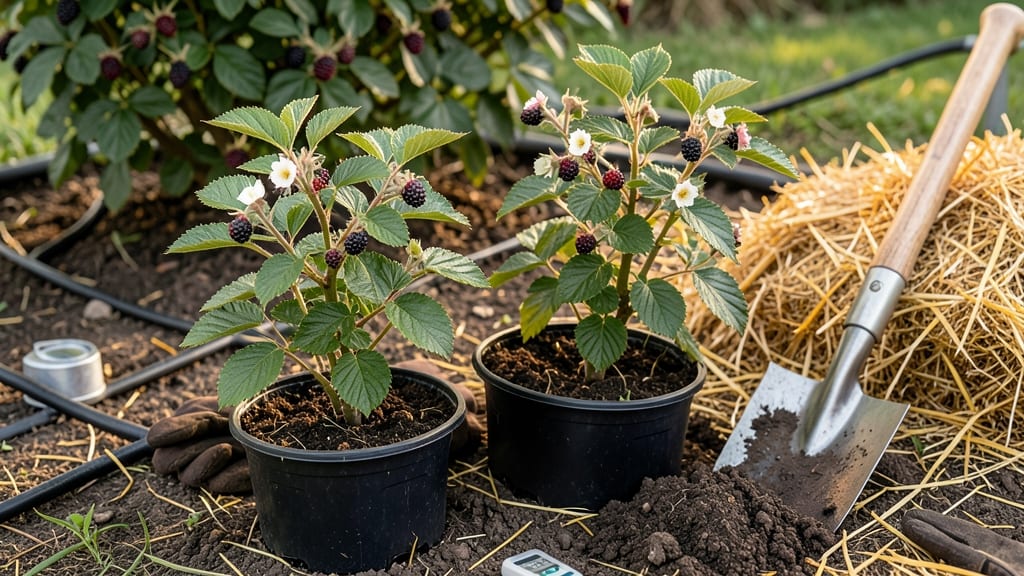
Planting blackberries in Tennessee at the right time ensures strong root growth and a bountiful harvest—and missing the window can leave you with weak canes or no fruit at all.
If you’ve ever watched your 🫐 blackberry bushes struggle after a late frost or bolt into summer heat too soon, you know timing is everything.
Tennessee’s USDA zones 6a-7b offer two safe windows: late winter to early spring or fall, but the rules shift depending on whether you’re in East or West Tennessee.
Below, I break down the exact months for each zone, how to prep soil for cold snaps, and which varieties handle Tennessee’s humidity and heat best. Spoiler: the prime window for most gardeners is September or October—but there’s a trick for zone 6a growers to plant earlier.
You’ll also discover how to read your local frost dates, adjust for microclimates, and pick the right type of blackberry (thornless? primocane-fruiting?) for your yard. Let’s get those canes in the ground the right way.
Best planting months for blackberries in Tennessee by USDA Zone (5a-7b)
Tennessee’s diverse USDA zones (5a through 7b) create unique challenges for blackberry growers. The wrong timing can lead to frost damage, poor root establishment, or even plant death.
In Zone 5a, late frosts linger until mid-April, while Zone 7b may see heatwaves by early May. Understanding these differences is key to a successful harvest.
For bare-root blackberries, the best planting window is during dormancy—either late winter (February-March) or fall (September-October). This allows roots to establish before extreme temperatures arrive. In Zone 6a and above, fall planting is often preferred to avoid spring’s unpredictable frosts and heavy rains.
Soil temperature plays a critical role. Blackberry roots need soil temps above 45°F (7°C) to thrive. In East Tennessee (Zones 5a-6a), this typically means waiting until mid-April, while West Tennessee (Zones 6b-7b) can plant as early as late March.
Always check soil temps with a soil thermometer before planting.
Microclimates matter too. Mountain regions (Zone 5a) may experience 2-3 weeks later planting than valley areas (Zone 7b). If you’re in a warmer microclimate, like near a river or in a south-facing slope, you can plant 2 weeks earlier than the general zone guidelines.
| USDA Zone | Best Planting Month | Soil Temp Threshold | Key Consideration |
|---|---|---|---|
| 5a (East TN Mountains) | Late March - Early April | 45°F (7°C) | Late frosts common; use row covers |
| 6a (Middle TN) | Mid-March - Late April | 45°F (7°C) | Spring rains can delay planting |
| 6b (Nashville Area) | Late February - Early April | 45°F (7°C) | Heat-tolerant varieties recommended |
| 7a (West TN) | Late February - March | 45°F (7°C) | Early heat can stress new plants |
| 7b (Southeast TN) | January - February | 45°F (7°C) | Fall planting preferred for best results |
If you’re planting in fall (September-October), focus on Zone 6a and above, where frosts arrive later. In Zone 5a, fall planting is riskier due to early frosts. For these areas, container growing is a great alternative—you can move pots to a sheltered spot if frost threatens.
For potted blackberries, timing is slightly more flexible. You can plant 1-2 weeks earlier than bare-root, as containers warm up faster. However, avoid planting when soil temps drop below 40°F (4°C), as root growth will stall.
In Zone 7b, you might even get away with January planting if using containers.
One of my biggest mistakes was planting blackberries in early April in Zone 6a without checking soil temps. The cold, wet soil delayed root growth, and my plants struggled all season.
Always test soil temps and adjust your planting date accordingly. A $10 soil thermometer is a game-changer for Tennessee gardeners.
For heat-tolerant varieties like ‘Prime-Ark Freedom’ or ‘Arapaho’, you can push planting slightly earlier in Zones 6b-7b. These varieties handle warmer soils better and are ideal for West Tennessee’s climate.
Just be prepared to water deeply during dry spells, as these varieties can wilt quickly in summer heat.
Remember, blackberries are perennial plants, so getting the timing right the first year sets the stage for years of harvests. In Tennessee, fall planting in Zones 6a-7b often yields the healthiest, most productive plants because they establish roots before winter dormancy.
If you’re in Zone 5a, late spring planting is your best bet.
How to time blackberry planting for Tennessee’s unpredictable spring weather
Tennessee’s spring weather is famously fickle—one day brings 60°F warmth, the next delivers a 28°F frost. For blackberries, this unpredictability makes timing critical. Plant too early, and your canes risk frost damage before roots establish.
Plant too late, and you’ll miss the optimal growth window before summer heat sets in. The key is balancing soil temperature, frost dates, and local microclimates to give your blackberries the best shot at survival.
Most gardeners in Tennessee’s USDA zones 5a-7b aim to plant blackberries in either early spring (March-April) or fall (September-October). However, these general guidelines don’t account for Tennessee’s regional variations—East Tennessee’s mountains can experience frost weeks after Nashville’s urban heat islands thaw.
To navigate this, I’ve developed a risk-mitigation strategy that includes soil thermometer checks, protective mulching, and even container gardening for high-risk areas.
⚠️ CALLOUT WARNING: Tennessee’s Frost Risk Zones Tennessee isn’t one climate—it’s three distinct frost-risk regions. East Tennessee (zones 5a-6a) often sees late spring frosts until mid-April, while Middle Tennessee (zone 6b-7a) typically warms by early April. West Tennessee (zone 7a-7b) may face early heatwaves by late March.
Use the National Weather Service’s frost prediction maps or your local Cooperative Extension Service to pinpoint your exact risk window. Planting blackberries before the last average frost date in your area is a gamble—unless you’re using frost cloth or row covers.
Start by testing your soil temperature with a soil thermometer—blackberries need soil to reach at least 55°F (13°C) before planting. In Tennessee, this usually aligns with late March to early April in southern zones but can delay until mid-April in the mountains.
If your soil is still chilly, opt for bare-root canes planted in dormancy (late winter) or delay until fall planting when roots can establish before winter.
For container-grown blackberries, you gain flexibility—just ensure pots are at least 18 inches deep and use fast-draining mix to prevent root rot from Tennessee’s spring downpours.
Mulching is your best defense against Tennessee’s temperature swings. Apply a 4-inch layer of straw or wood chips around your blackberry plants to insulate roots from late frosts and retain moisture during summer droughts.
In zone 5a, I’ve seen mulch protect young canes from 25°F temperatures—critical when spring frosts linger. For added protection, wrap frost cloth around canes during high-risk nights (check your local frost forecast). This extra layer can buy you 2-3 weeks of frost-free growth, extending your planting window.
If you’re in West Tennessee (zones 7a-7b), early heatwaves can stress blackberries before they establish. To combat this, plant shade-tolerant varieties like ‘Arapaho’ and use drip irrigation to keep roots cool.
For East Tennessee’s higher elevations, focus on late-season varieties like ‘Natchez’ and plant in full sun to maximize warmth. Container gardening is also a smart move here—you can move pots to sheltered spots during cold snaps or bring them indoors if a frost is forecasted.
Finally, create a personalized planting checklist based on your microclimate.
Include these key steps: ☑️ Check soil temperature (wait until 55°F+) ☑️ Verify last frost date for your county ☑️ Test drainage (blackberries hate soggy roots) ☑️ Apply mulch immediately after planting ☑️ Monitor weather forecasts for late frosts For a visual guide, bookmark the Tennessee State University Extension’s frost date tool—it’s a game-changer for timing.