
Plants
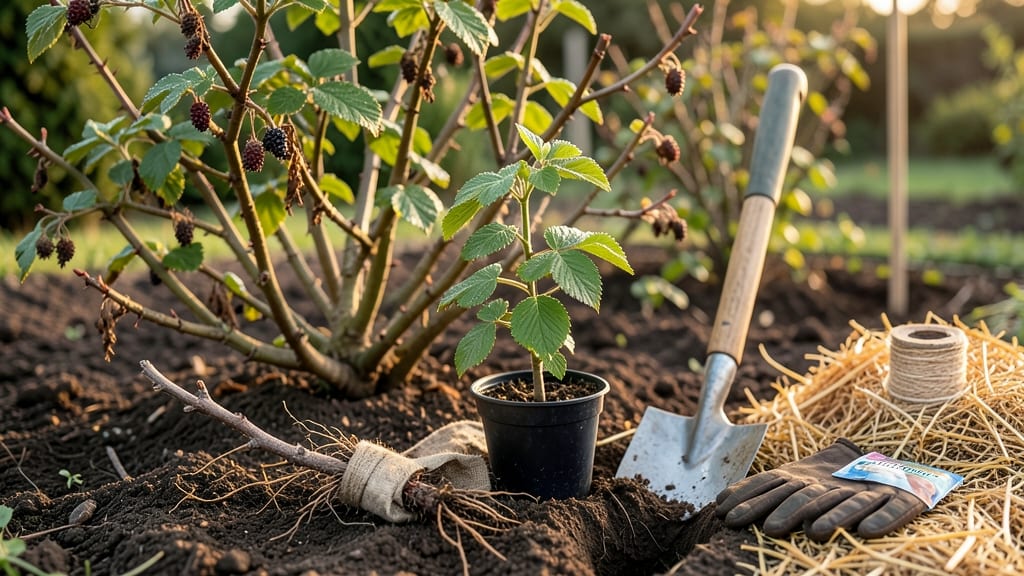
Plant blackberries in Ohio between early March and April or in September for strong root growth and a bigger harvest next year.
Ohio’s unpredictable spring weather can make planting blackberries a guessing game—but timing these brambles right ensures faster root establishment and bigger harvests next year.
If you plant too early, frost will nip the canes before they take hold; too late, and your blackberries won’t have enough time to establish roots before winter hits.
The key is choosing the right window for your variety—thornless types like ‘Natchez’ can handle a slightly later start, while traditional varieties like ‘Chester’ need that early spring edge.
Below, I break down the exact planting months for Ohio’s most popular blackberry varieties, soil prep tips for our clay-heavy dirt, and how to avoid common mistakes that trip up gardeners every year.
Best planting months for Ohio blackberries by variety type
Ohio’s USDA Zones 5-7 create a unique challenge for blackberry growers—cool springs and sudden frost can derail even the best-laid plans. But planting at the right time means stronger root systems and earlier harvests next summer.
The key? Waiting for soil temperatures to hit 50-60°F and avoiding late frosts after April 15 in most regions.
Thornless varieties like Natchez and Triple Crown are popular in Ohio for their ease of harvest, while traditional types like Chester offer higher yields but require more maintenance. Each variety has its own optimal planting window, and missing it can mean stunted growth or winter dieback.
Let’s break down the exact months to plant for each type, so you can time it perfectly.
🌱
| Variety Type | Best Planting Month | Soil Temp Requirement | Key Considerations | Ohio-Specific Notes |
|---|---|---|---|---|
| Early Season (e.g., Chester) | Late March to April 15 | 50-55°F | Fast growth, ripens early July | Risk of frost damage if planted too early; monitor forecasts. |
| Mid Season (e.g., Triple Crown) | April 16 to May 15 | 55-60°F | Balanced growth, ripens late July | Ideal for Ohio’s variable springs; thornless option available. |
| Late Season (e.g., Natchez) | September 1 to October 15 | 50-55°F | Slower early growth, ripens August | Avoid planting after October 20 (first frost risk). |
| Thornless (e.g., Arapaho) | April 1 to May 10 | 55-60°F | Easier harvest, ripens mid-July | Needs strong trellis support due to cane weight. |
For early-season varieties like Chester, the window is tight—plant between late March and mid-April when soil warms to 50-55°F. This gives roots time to establish before summer heat sets in.
Use a soil thermometer to confirm temperatures; Ohio’s clay soils can stay cold longer, especially in Zone 5 areas like Toledo or Youngstown.
Mid-season types like Triple Crown offer more flexibility, with a 6-week planting window from mid-April to mid-May. This variety thrives in Ohio’s Zone 6-7 climates, where summers are hot enough for full ripening.
If you’re in southern Ohio (e.g., Cincinnati or Columbus), you can push planting to early June, but expect smaller first-year yields.
Fall planting is ideal for late-season varieties like Natchez, which benefit from cooler temperatures and consistent moisture as they establish. Aim to plant by September 15 to allow roots to settle before winter.
In northern Ohio (e.g., Cleveland or Akron), wrap canes with burlap for extra frost protection if planting extends into October.
Thornless varieties like Arapaho are a favorite among Ohio gardeners for their ease of harvest, but they demand precise timing.
Plant between April 1 and May 10 when soil is 55-60°F—any earlier, and roots may struggle in cold soil; any later, and canes won’t mature enough for a full harvest the following summer. Install a trellis system at planting to support the heavy canes.
🌡️ Pro tip: Check Ohio’s last frost dates annually, as they can shift by 1-2 weeks due to climate patterns. The Ohio State University Extension provides updated frost maps—bookmark their garden calendar for real-time alerts.
For example, in 2023, Columbus saw its last frost on April 22, two weeks later than the historical average.
If you miss the spring window, don’t panic—fall planting is a great backup. Just ensure soil temperatures stay above 50°F for at least 2 weeks post-planting. In Zone 5, this means planting by September 15; in Zone 7,
How to prepare Ohio soil for blackberry planting success
Ohio’s clay-heavy soils present unique challenges for blackberry growers, but with the right prep, you can create ideal conditions for strong root growth and abundant harvests. Blackberries thrive in well-draining, slightly acidic soil with a pH between 5.5 and 6.5, which is often lacking in Ohio’s native clay.
Without proper amendments, your plants may struggle with poor aeration and nutrient deficiencies, leading to stunted growth or weak canes.
Start by testing your soil’s pH and texture at least 4-6 weeks before planting. Ohio State University Extension offers free soil testing kits, or you can send samples to a local lab.
Aim for a loamy texture—if your soil feels dense and sticky when wet, it’s time to break up that clay. I’ve found that adding composted manure or well-rotted leaf mold works wonders for improving both drainage and fertility.
⚠️ callout warning ⚠️
Many Ohio gardeners make the mistake of planting blackberries directly into unamended clay, leading to:
- Root rot from poor drainage
- Nutrient lockout (plants can’t access phosphorus)
- Weak canes that snap in wind or storms
For drainage improvement, mix in coarse sand or perlite to create air pockets in the soil. I recommend working in a 50/50 blend of compost and native soil to a depth of 12-18 inches. This creates a root-friendly zone where blackberry canes can spread without hitting compacted layers.
If your soil tests too alkaline (above 7.0), add elemental sulfur or peat moss to lower the pH gradually over a few weeks.
Blackberries are heavy feeders, so incorporate a balanced organic fertilizer (like 5-5-5) at planting time. Spread a 1/2 cup per plant around the root zone and lightly scratch it into the top 2-3 inches of soil.
Avoid fresh manure—it can burn delicate roots. For ongoing nutrition, side-dress with composted cow manure in early spring and after harvest to replenish nutrients.
One common mistake Ohio gardeners make is overlooking mulch. Apply a 3-4 inch layer of straw or wood chips around your blackberry plants to retain moisture, suppress weeds, and regulate soil temperature.
Keep mulch 3 inches away from the crown to prevent rot. I’ve seen blackberry yields double in properly mulched beds compared to unmulched ones during Ohio’s hot, dry summers.
Finally, choose a sunny, slightly elevated planting site to prevent waterlogging. Blackberries need 6-8 hours of full sun daily, but they’ll tolerate partial shade in Ohio’s hotter inland areas. If your yard has low spots, create a slight berm or plant on a mound to improve drainage.
With these soil prep steps, your blackberries will establish strong roots and reward you with juicy, flavorful berries for years to come.