
Plants
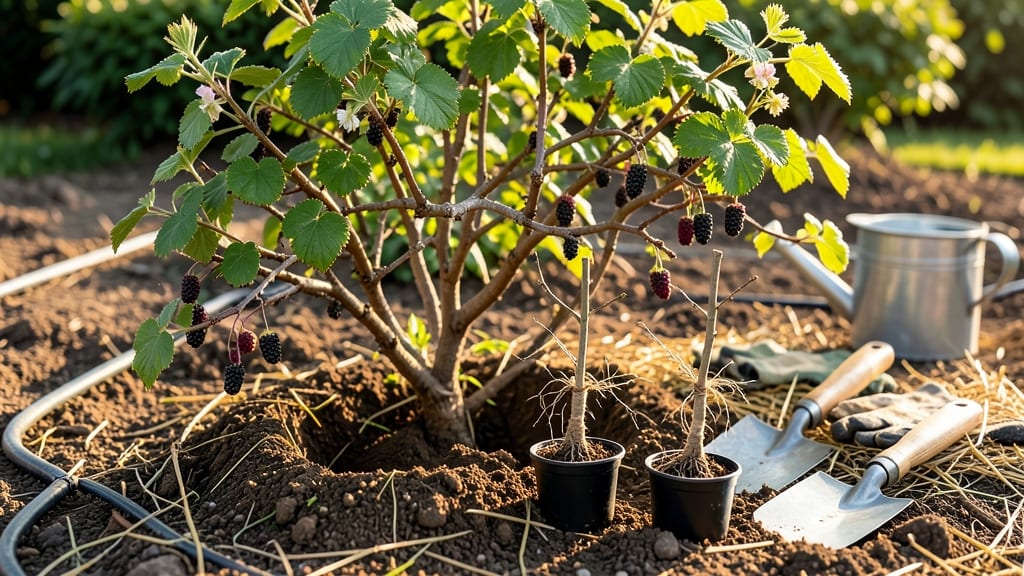
Planting blackberries in Colorado at the right time means the difference between a thriving 🫐 patch and a frost-nipped disappointment.
Timing is everything when planting blackberries in Colorado—plant too early, and frost will damage tender canes; too late, and your berries won’t ripen before winter. Mastering the Colorado planting window ensures a bountiful harvest, but regional microclimates and hardiness zones add complexity.
Whether you’re in Denver’s urban sprawl or the high-desert plains near Grand Junction, knowing your last frost date and soil readiness is the key to success. Skip these steps, and you risk stunted growth or worse—no fruit at all.
In this guide, I’ll walk you through the exact months to plant, how to adjust for your local climate, and the game-changer soil prep tricks that keep Colorado blackberries productive year after year.
Colorado hardiness zones and blackberry planting months by region
Colorado’s diverse elevations and microclimates create unique challenges for blackberry growers. The state spans USDA Zones 4-7, with high-desert areas often 2-3 zones colder than cities like Denver or Colorado Springs. Understanding your specific zone—and adjusting for elevation shifts—is critical to timing plantings correctly for frost-free growth.
Blackberries thrive in Zones 5-7, but Colorado’s late-spring frosts (common until mid-April) demand precision. Planting too early risks frost damage to tender canes, while late plantings may delay berry ripening before winter. Below, I break down optimal planting windows by region, including elevation adjustments and last-frost averages.
Pro Tip: Use the Colorado State University Extension’s Frost Date Calculator (csuextension.colostate.edu) to refine your local planting window. Even neighboring towns can vary by 1-2 weeks!
For Denver-area gardeners in Zone 5b-6a, aim to plant bare-root canes between March 15 and April 15. This window balances soil warmth (50°F+) with frost risk. If you’re in higher elevations (e.g., Boulder’s 5,430 ft), delay until April 1 to avoid late-spring freezes.
In Colorado Springs (Zone 6a-6b), milder winters allow earlier plantings—March 1–31—but monitor soil temperatures. Use a soil thermometer to confirm 50°F+ before planting. Fall plantings here should wrap up by September 15 to ensure roots establish before first frost.
Gardeners in Western Slope regions (e.g., Grand Junction, Zone 6a) enjoy earlier last frosts (as early as April 1), but dry heat can stress young canes. Mulch heavily with straw to retain moisture and cool roots.
Fall plantings here can extend to October 5 if soils remain workable.
High-desert areas like Montrose or Durango (Zone 4b-5a) demand the most caution. Plant no earlier than April 30—even then, frost cloth is wise for the first 2 weeks. These regions also benefit from fall plantings in September, as cooler nights reduce heat stress on establishing canes.
Verify your microclimate by observing nearby orchards or vineyards. If blackberries are already fruiting in a local garden, your zone is likely warmer than official maps. Adjust your planting window 1-2 weeks earlier if you spot thriving canes in March.
🌱
Signs your Colorado soil and climate are ready for blackberry planting
Colorado’s dry climate and variable frost dates demand careful timing for blackberry planting. Before you dig, check three critical signs: soil temperature, moisture levels, and frost risk. These indicators ensure your canes establish roots before summer’s heat or winter’s chill sets in.
First, soil temperature must reach at least 60°F—a threshold that signals the ground is warm enough for root growth. Use a soil thermometer to test 4-6 inches deep, especially in high-altitude areas where soils warm slower.
In Denver, this typically happens by mid-April, but mountain regions may wait until late May.
⚠️ callout warning ⚠️
Even after last frost dates, late-spring frosts can hit Colorado’s Front Range. Plant blackberries only after 3 consecutive days above 60°F, and monitor the National Weather Service’s frost alerts. Use row covers for young canes if frost is forecasted in May.
Next, ensure your soil has adequate moisture but isn’t waterlogged. Colorado’s dry climates mean blackberries need consistent hydration, especially in sandy soils common to the high plains. Water deeply 1-2 days before planting to help roots penetrate compacted layers.
A simple stick test—pushing a dowel into the soil—reveals drainage issues if water pools around it.
Wind exposure is another Colorado-specific challenge. Unprotected sites in rural areas can desiccate young canes. Plant near windbreaks like fences or shrubs, or use trellises with wind-resistant supports. In open fields, consider mulching with straw to retain moisture and shield roots from drying winds.
Finally, confirm your microclimate aligns with blackberries’ needs. Urban Denver gardens may warm faster than nearby foothills, so observe nearby orchards or vineyards for cues. If your yard has south-facing slopes, it’ll warm earlier—ideal for early planting.
Shady spots or north-facing areas will delay the process by 2-3 weeks.
With these signs checked, your Colorado soil and climate are primed for blackberry success. Combine this timing with well-amended soil and proper trellising, and you’ll enjoy juicy berries by late summer. 🫐