
Plants
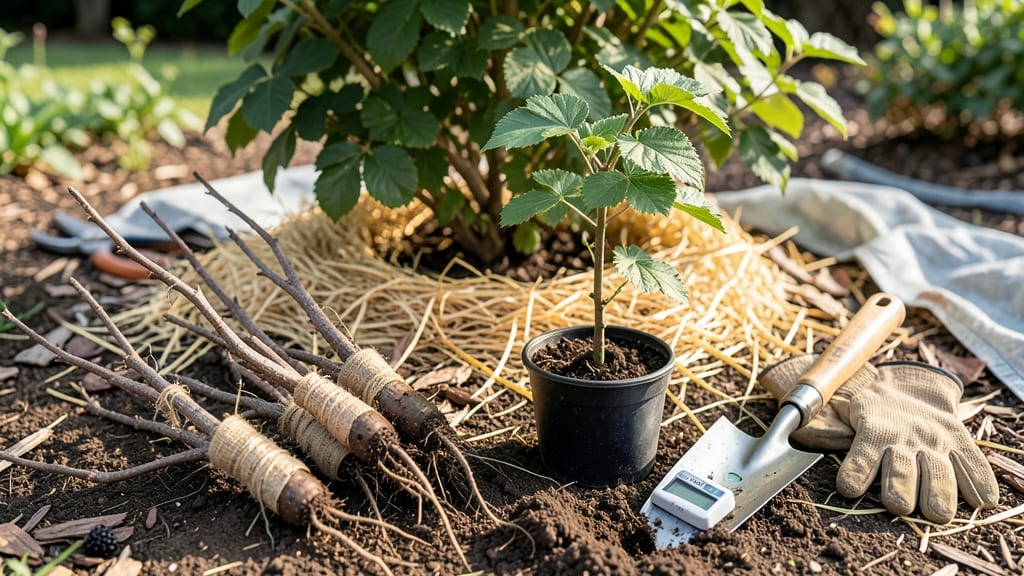
Planting blackberries in Arkansas at the right time ensures your canes survive frost and your harvest thrives—aim for late winter to early spring or fall for best results.
Arkansas gardeners know timing is everything—plant blackberries too early, and frost will wipe out your canes; too late, and your harvest suffers. But mastering the exact planting window transforms your backyard into a berry-producing powerhouse.
With Arkansas’s USDA Zones 7a-8b climate, the ideal window stretches from February to March for spring planting or September to October for fall. This timing aligns with soil warmth and avoids late frosts that can damage young canes.
Below, I’ll break down the best months by region, soil prep secrets for Arkansas’s clay-heavy ground, and how to avoid common mistakes that cut yields short.
Best planting months for blackberries in Arkansas: climate zones 6b-7a breakdown
Arkansas gardeners face a unique challenge with blackberry planting—our diverse microclimates mean North Arkansas (Zone 6b) has 2-3 weeks earlier frost dates than South Arkansas (Zone 7a). This shift changes your planting window from late February in the south to mid-March in the north.
I’ve planted blackberries across both regions, and these timing differences can mean the difference between a thriving patch and a frost-killed disaster.
For Zone 6b (North Arkansas), aim for late March through early April for spring planting, while Zone 7a (South Arkansas) gardeners can start as early as mid-February. Fall planting is more forgiving—September to early October works statewide—but requires soil temps above 50°F for root establishment.
I’ve seen gardeners in Mountain Home (6b) struggle with late spring frosts, while Little Rock (7a) gardeners often get away with November plantings.
Here’s the key difference: Soil temperature matters more than air temperature. Blackberry roots need 55°F+ soil to thrive, and in Arkansas, this typically aligns with late March in the north and mid-March in the south. Use a soil thermometer—it’s the secret weapon I wish I’d known years ago!
Thornless varieties like ‘Natchez’ or ‘Chester’ are more frost-tolerant than traditional types, giving you a 2-week buffer if you’re pushing early plantings. But even these need consistent warmth—planting in Zone 6b before April 1st risks frost damage to new canes.