
Plants
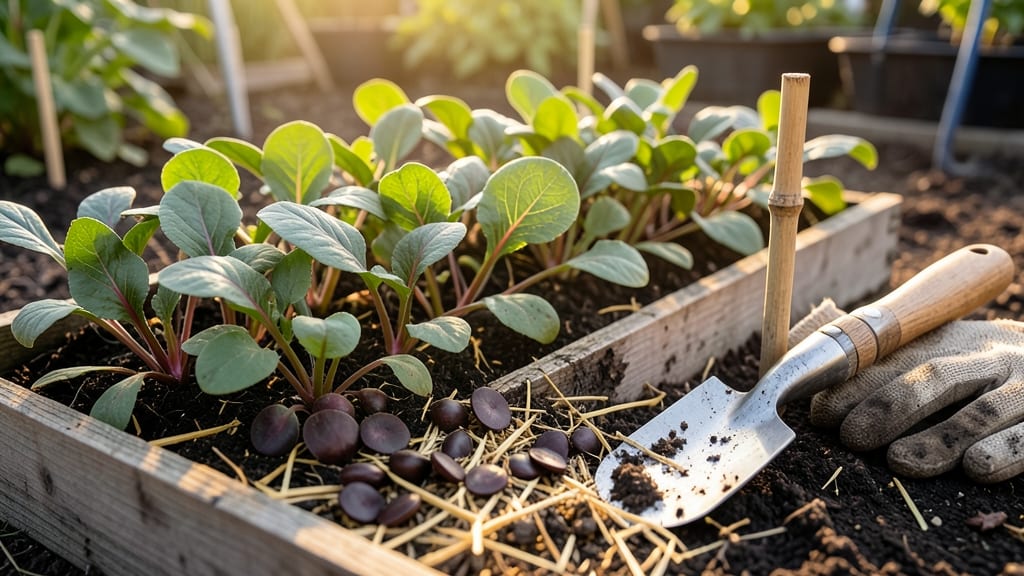
Planting beets in Zone 5b about 4-6 weeks before your last frost date is the key to tender roots and a long harvest 🍠.
Timing your beet harvest in Zone 5B can mean the difference between tender, sweet roots and tough, woody vegetables—so knowing the exact weeks before last frost is critical for success.
In Zone 5b, where frost lingers until mid-April, early spring plantings in March give you a jumpstart on the growing season. The goal is to get those seeds in the ground when soil temperatures hit 45°F—just warm enough to prevent rot but cool enough to avoid bolting.
Below, I’ll break down the two best planting windows for Zone 5b—spring and late summer—plus how to stretch your harvest by using succession planting and cold-hardy varieties.
Best planting windows for beets in Zone 5B: exact weeks before last frost
Timing your beet harvest in Zone 5B can mean the difference between tender, sweet roots and tough, woody vegetables—so knowing the exact weeks before last frost is critical for success. Beets thrive when planted at the right moment, balancing soil warmth and frost risk.
In Zone 5B, where average last frost dates range from April 15 to May 1, precision matters most.
For spring plantings, aim to sow beets 4-6 weeks before your last frost date—typically between mid-March and early April.
This window ensures seeds germinate in 50-60°F soil, which is warm enough to prevent rot while still allowing roots to mature before summer heat sets in. Fall plantings should occur 8-10 weeks before first frost (usually late July to early August) to harvest before hard frosts arrive.
Here’s the golden rule for Zone 5B: Plant beets when soil temperatures reach 50°F consistently—this triggers reliable germination. Use a soil thermometer to confirm; cold, wet soil can delay sprouting for weeks. Succession planting every 2 weeks after your initial sowing extends harvests through summer and into fall.
| Planting Window | Weeks Before Last Frost | Soil Temp Threshold | Harvest Window |
|---|---|---|---|
| Early Spring | 4-6 weeks | 50-60°F | June - July |
| Late Summer | 8-10 weeks | 55-65°F | October - November |
| Succession Planting | Every 2 weeks | 50°F+ | June - October |
Your last frost date isn’t just a calendar date—it’s a moving target in Zone 5B. Check your local USDA Plant Hardiness Zone Map and historical frost data (like from the Old Farmer’s Almanac) to refine your timing.
For example, if your last frost is April 22, plant beets by March 15 for a June harvest. Adjust 1-2 weeks earlier if your spring is typically late.
Beets planted too early in cold soil may rot, while late plantings risk bolting (flowering prematurely) as days lengthen. Fall plantings benefit from cooler weather, which enhances sweetness—just avoid sowing after August 15 to ensure roots mature before frost.
Use row covers for early or late plantings to protect seedlings from unexpected cold snaps.
For maximum sweetness, prioritize consistent soil moisture and rich, loose soil with a pH of 6.0-7.0. Amend heavy clay with compost to improve drainage, as beets hate soggy roots. Mulch with straw after thinning seedlings to retain moisture and suppress weeds—critical in Zone 5B’s variable weather.
Pro tip: Plant Detroit Dark Red or Golden varieties for reliable performance in Zone 5B. These types tolerate cool soils and mature in 50-60 days, fitting neatly into both spring and fall windows. Chioggia beets (with their striped patterns) are another great choice for shorter seasons.
If you miss the spring window, don’t despair—late July plantings still yield harvests by October. Just reduce spacing to 2 inches apart for faster growth. Monitor for leaf miners or beetle damage and address issues promptly to keep roots healthy.
With the right timing, you’ll enjoy homegrown beets from early summer through crisp fall days.
Remember: The sweetest beets grow when planted at the optimal soil temperature and harvested before stress sets in. Use this guide as your roadmap, and you’ll transform your Zone 5B garden into a beet bonanza. Happy planting! 🌱🍠
How to adjust beet planting for Zone 5B’s unpredictable spring weather
Zone 5B’s unpredictable spring weather can turn your beet dreams into woody disappointments if you’re not prepared. Late frosts and temperature swings often delay planting, while wet soil can stunt seed germination. The key is adapting your strategy to protect young plants and extend your harvest window.
Beets are surprisingly resilient, but they need consistent soil temperatures (at least 45°F) and protection from light frosts. I’ve learned that succession planting in 2-week intervals gives me multiple harvests, even when spring drags on. Let me show you how to make it work in your garden.
⚠️ Critical Warning: Don’t Plant Too Early!
Zone 5B’s last frost date averages April 15, but soil thaw can lag behind air temperatures. Planting beet seeds in cold, wet soil (below 50°F) causes rot and poor germination. Wait until soil reaches 50-55°F—use your finger to test depth (2 inches down should feel warm).
Pro Tip: Cover seeds with row fabric or clear plastic to warm soil faster by 5-10°F. Remove covers once sprouts emerge to prevent overheating.
For early spring planting, I start seeds indoors 4-6 weeks before my target outdoor date (mid-April). Use biodegradable pots to avoid transplant shock when moving seedlings to the garden. Harden them off for 7-10 days by placing them outside during the day and bringing them in at night.
If late frosts threaten your young seedlings, use frost cloth or old bedsheets draped over hoops. Beets can tolerate light frosts (down to 25°F for mature plants), but seedlings need protection until they’re 3-4 inches tall. I’ve saved entire plantings by covering them the night before a 28°F freeze!
For succession planting, sow new seeds every 2 weeks until June 1. This staggered approach ensures a steady supply of tender beets rather than a single overwhelming harvest. Choose fast-maturing varieties (like ‘Detroit Dark Red’) for shorter growing seasons—aim for 50-60 days to harvest.
Don’t forget about soil moisture—Zone 5B’s spring rains can lead to waterlogged soil, which causes beets to split or rot. Amend your beds with compost to improve drainage, and mulch with straw to keep soil evenly moist. Water deeply in the morning to reduce fungal risks.
With these adjustments, you’ll beat Zone 5B’s unpredictable spring and enjoy sweet, tender beets all season long—no woody surprises here! 🌱