
Plants
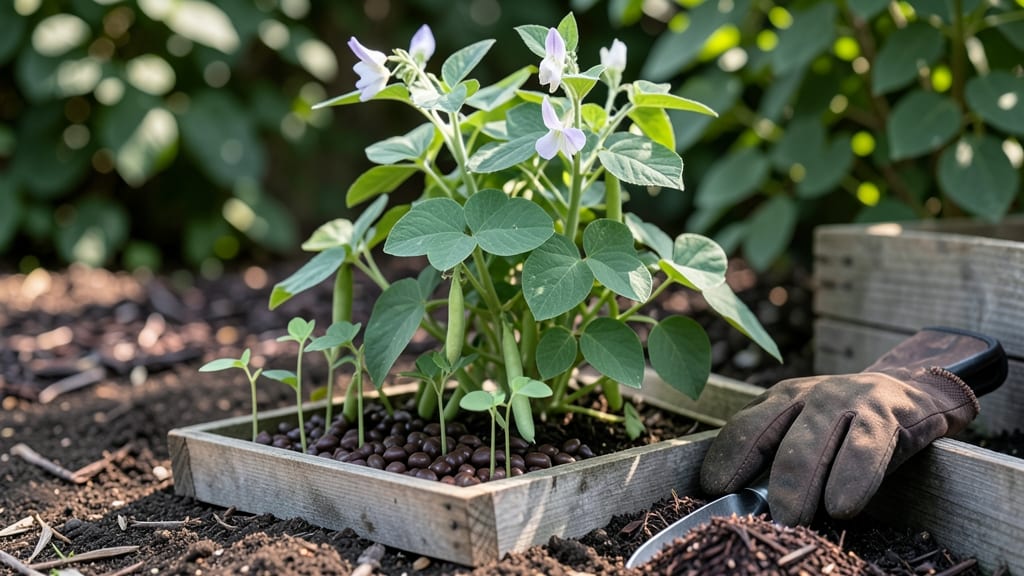
Planting beans in Southern California at the right time means the difference between a fast, abundant harvest and a disappointing one.
Picture this: you’ve spent weeks prepping your garden bed, only to watch your beans bolt into flowers before they’ve even grown an inch—because you planted too early. Or worse, you wait until summer, and the heat stresses them before they mature.
Southern California’s mild winters and long summers make it tricky to nail the timing, but the secret is in the microclimates and the soil temperature.
Coastal areas like San Diego can start as early as February, while inland valleys like the Coachella Valley wait until March to avoid heat stress. The key is planting when soil hits 60°F—that’s when roots wake up and growth takes off.
Below, I’ll break down the best months for bush vs. pole beans, how to stretch your season, and the one mistake that kills yields faster than drought.
You’ll leave here knowing exactly when to plant for maximum speed and high yields, plus how to keep your beans producing all season long.
Southern California bean planting calendar: best months by variety
Southern California’s frost-free climate lets you grow beans nearly year-round, but timing matters for avoiding summer heat stress and maximizing yields. Coastal areas like San Diego have milder winters, while inland valleys like the San Fernando Valley experience hotter summers.
I’ll break down the best months for each bean type, including adjustments for your microclimate.
For bush beans, your best planting window is February through April and again in August through September.
These compact varieties thrive in cooler weather and produce quickly—ideal for Southern California’s spring and fall seasons. Pole beans, on the other hand, handle heat better and can be sown as late as May or June for a summer harvest, though they’ll need extra care during peak heat.
Heirloom varieties like ‘Kentucky Wonder’ or ‘Scarlet Runner’ prefer cooler temperatures and should be planted in early spring (February-March) or late summer (August-September). These slower-growing types benefit from Southern California’s mild winters, allowing for extended harvests.
Always check your specific variety’s days to maturity—most need 50-60 days to produce pods.
Here’s your month-by-month planting guide, including adjustments for coastal vs. inland microclimates:
| Month | Bush Beans | Pole Beans | Heirloom Varieties | Notes |
|---|---|---|---|---|
| January | ✅ Coastal only | ❌ Avoid | ✅ Coastal only | Mild coastal areas; inland too cold |
| February | ✅ Best month | ✅ Ideal | ✅ Best month | Soil temps reach 60°F+; use shade cloth if hot |
| March | ✅ Peak time | ✅ Peak time | ✅ Peak time | Succession plant every 2 weeks for continuous harvest |
| April | ✅ Last spring window | ⚠️ Late planting | ✅ Last spring window | Use shade cloth for afternoon sun; water deeply |
| May | ❌ Avoid (heat stress) | ✅ Summer option | ❌ Avoid | Pole beans only; plant near trellis for shade |
| August | ✅ Fall prep | ✅ Fall prep | ✅ Fall prep | Soil temps drop; ideal for heirlooms |