
Plants
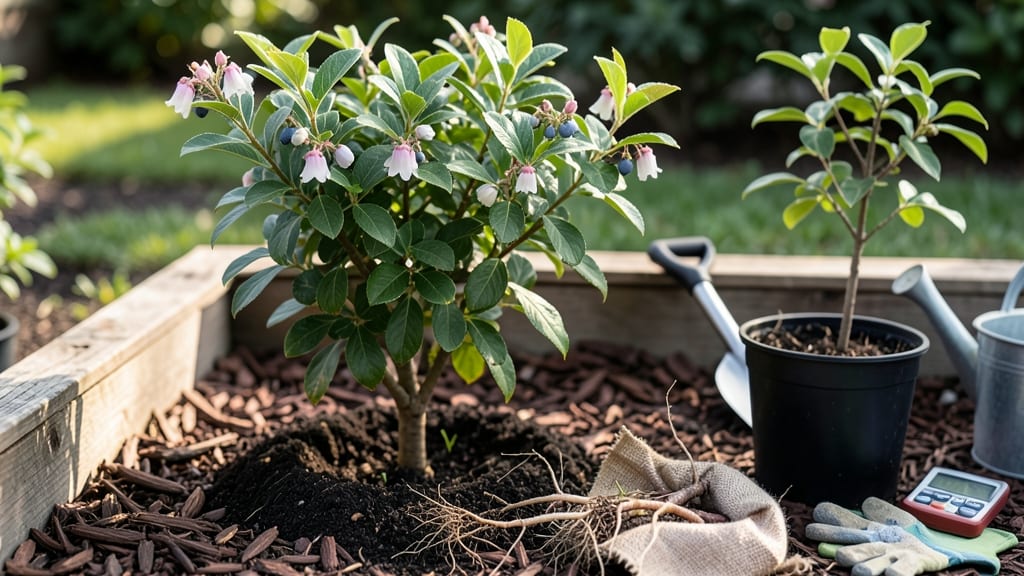
Planting blueberries in Southern California thrives best from November through March, when cooler temperatures ease stress on young roots and avoid summer’s brutal heat.
Southern California’s warm climate may seem challenging for blueberry bushes, but with the right timing, you can grow thriving plants that produce sweet, juicy berries year after year.
Coastal areas with milder winters (USDA zones 10-11) can plant year-round, while inland valleys (zones 9b) should stick to the cooler months to prevent transplant shock.
Below, I’ll cover the exact months for your microclimate, soil prep tricks to beat alkaline soil, and the heat-tolerant varieties that actually thrive here.
Best months to plant blueberries in Southern California’s climate zones
Southern California’s diverse climate—from coastal breezes to inland heat—means blueberry planting times vary dramatically. While many gardeners assume these cold-climate plants won’t survive, Southern Highbush varieties thrive here with the right timing.
The key is planting when soil temps stay below 70°F and summer heatwaves aren’t imminent, which typically means cooler months.
Your exact microclimate determines success. Coastal areas like Malibu or San Diego (USDA Zones 10-11) have milder winters, while inland valleys like San Fernando or Riverside (Zones 9b-10a) experience cooler nights but hotter days.
Desert regions near Palm Springs (Zone 10b+) require even more careful timing to avoid heat stress during establishment.
Here’s how to match your location to the best planting window for blueberry bushes:
If you’re in a coastal microclimate, you can plant blueberries year-round, but November through March offers the best balance of cool roots and warm days for establishment. Inland gardeners should aim for November–February, as March heatwaves can stress young plants before they’re established.
For desert regions, the window narrows to September–November or March–April. Plant in the late afternoon to reduce transplant shock from afternoon sun. Use 5-gallon containers with acidic potting mix if your soil tests above pH 6.0.
Pro tip: Check your local frost dates (even coastal areas can get light frosts in December). If frost is possible, plant 6–8 weeks before the first expected frost to give roots time to establish. For most of SoCal, this means mid-October to early November.
Container growing extends your options. Dwarf varieties like ‘Top Hat’ or ‘Peach Sorbet’ thrive in pots, letting you move them to shadier spots during summer. Just ensure containers have drainage holes and you water daily during heatwaves.
After planting, mulch with 3–4 inches of pine bark or wood chips to keep roots cool and moist. Avoid fresh wood mulch, which can rob nitrogen from the soil. For inland areas, consider a lightweight row cover during summer to shield young plants from direct sun.
Remember: Blueberries need acidic soil (pH 4.5–5.5). Southern California’s native soil is often alkaline (pH 7.0+), so test your soil before planting. If your pH is high, amend with sulfur or peat moss 2–3 months before planting to give the soil time to adjust.
With the right timing and a little extra care, your blueberry bushes will reward you with sweet, juicy berries for years to come—no matter where you garden in SoCal. 🫐
How to prepare your soil and site for blueberry planting success
Southern California’s native soil is naturally alkaline, which poses a major challenge for acid-loving blueberries. Without proper preparation, your bushes will struggle to absorb essential nutrients, leading to stunted growth and poor fruit production.
The key to success lies in creating the right soil pH and drainage conditions before planting.
Start by selecting a sunny planting site with at least 6 hours of direct sunlight daily. Blueberries thrive in well-draining soil, so avoid low-lying areas where water pools. If your yard has heavy clay soil, consider creating a raised bed or using container gardening for better control over soil conditions.
⚠️ WARNING: SOIL pH IS CRITICAL ⚠️
Blueberries require pH 4.5-5.5 to absorb nutrients properly. Planting in untreated soil will cause:
- Yellow leaves (chlorosis) from iron deficiency
- Poor root development due to nutrient lockout
- Minimal fruit production or sour-tasting berries
To lower your soil’s pH, incorporate organic matter like composted pine needles or sphagnum peat moss into the planting area. Mix in elemental sulfur at a rate of 1-2 pounds per 100 square feet and water thoroughly to activate the acidification process.
This process takes 2-3 months, so plan ahead if you’re planting in late winter.
Never plant blueberries in full sun without shade during peak summer months in inland SoCal areas. Provide afternoon shade using dappled shade cloth or plant near taller trees that won’t compete for water.
Coastal areas can handle full sun year-round, but inland valleys benefit from partial afternoon shade during July and August.
For container growing, choose pots with drainage holes and use a 50/50 mix of acidic potting soil and organic matter like coconut coir. Add slow-release acid fertilizer at planting time and maintain consistent moisture. Containers allow you to control pH perfectly but require daily watering in summer heat.
After planting, apply a 2-3 inch layer of mulch using pine bark or wood chips to maintain soil acidity and retain moisture. Replenish the mulch annually and retest soil pH every 1-2 years, especially if you notice new yellow leaves appearing.
With proper soil prep, your blueberry bushes will establish strong roots and reward you with sweet, abundant harvests for years to come. 🫐