
Companion Plants
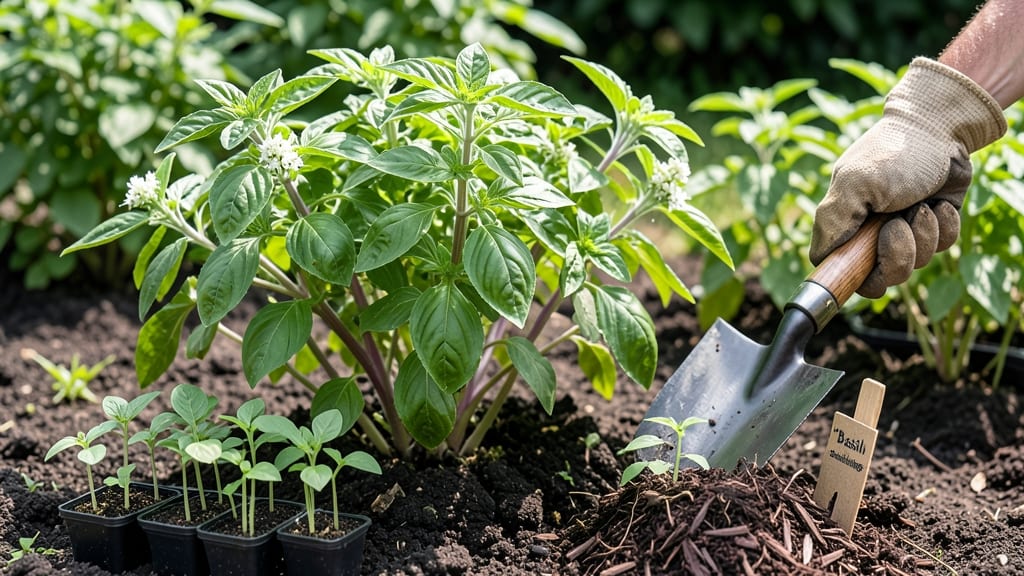
Planting basil in Pennsylvania after the last frost—typically mid-April to early May—sets you up for a bountiful harvest of fragrant 🌿 leaves.
Pennsylvania’s diverse climate—from the humid summers of Philadelphia to the cooler highlands of the Pocono Mountains—means timing your basil planting perfectly can mean the difference between a thriving harvest and a wilted disappointment.
If you wait too long, you’ll miss the 60-day window to maturity before fall’s first frost. But planting too early risks frost damage, since basil is frost-sensitive and won’t survive temperatures below 50°F.
Below, I break down the exact planting schedule by zone, whether to start seeds indoors or sow directly, and how to protect your plants from late frosts or heatwaves—so you can enjoy fresh basil from June through September.
Best planting months for basil in Pennsylvania by hardiness Zone
Pennsylvania’s diverse USDA zones 5b-7a create unique challenges for basil growers. Unlike frost-hardy perennials, basil thrives only after warm soil temperatures—typically 50°F or higher.
In cooler mountain regions like the Poconos (Zone 5b-6a), timing must be precise, while urban heat islands in Philadelphia (Zone 7a) allow longer growing seasons. My experience shows that indoor starts give you a 4-6 week head start against late frosts that can still hit in May.
Your last frost date is the critical marker for basil planting. In most of Pennsylvania, this falls between mid-April and early May, but rural areas often experience 1-2 weeks later than cities due to urban heat retention.
For example, Pittsburgh’s Zone 6b typically sees last frost around April 25, while Scranton’s Zone 5b may wait until May 10. Always check your local microclimate—valleys stay colder longer than hilltops.
Basil cannot tolerate frost, which is why I recommend indoor starts for all PA gardeners in Zones 5b-6a. Begin seeds 6-8 weeks before your last frost date under grow lights or sunny windows. For Zones 6b-7a, you can direct sow 2-3 weeks after last frost, but I still suggest hardening off seedlings for 7-10 days before transplanting to avoid shock from temperature swings common in Pennsylvania’s spring.
For urban gardeners in Philadelphia or Pittsburgh, container growing offers flexibility. You can plant basil 2 weeks earlier than ground planting because pots warm up faster. I’ve had success with 5-gallon containers on patios as early as mid-April in Zone 7a, protected by frost cloth during nighttime temperature drops.
The key is ensuring your containers have drainage holes—basil hates soggy roots, especially in Pennsylvania’s humid summers.
Rural gardeners in Zone 5b-6a should prioritize soil warming before planting. Lay down black plastic mulch 1-2 weeks before your direct sow window to raise soil temperatures. I’ve seen 10°F temperature increases in just 7 days using this method.
Combine this with row covers for early spring plantings to protect tender seedlings from late frosts that can still occur through May in mountain regions.
One common mistake I see is planting basil too early in hopes of a longer harvest. Cold soil stunts growth and makes plants more susceptible to damping off. Always check soil temperature with a soil thermometer—aim for at least 55°F before transplanting.
In my Zone 6b garden, I’ve lost entire basil batches by planting in early April when soil was still 45°F.
If you’re in Zone 7a, you can push your second planting into early July for a fall harvest. This works because your first frost date is typically mid-October, giving you 120-140 frost-free days.
For cooler zones, focus on one strong planting and use succession planting every 2 weeks from May through June to ensure a continuous supply of fresh basil for your <
How to extend your basil growing season in Pennsylvania’s unpredictable climate
Pennsylvania’s unpredictable spring weather can turn your basil dreams into frost-burned disappointments. Even after you’ve planted your heat-loving basil in May, late frosts in the Poconos or Erie region can strike until early June.
Meanwhile, early autumn chills in September often catch gardeners off guard, cutting harvests short. The key to success? Proactive protection and smart growing strategies tailored to PA’s USDA zones 5b-7a.
Basil thrives in warmth and consistency, but our state’s microclimates—from Philadelphia’s urban heat islands to the cooler Appalachian foothills—demand flexibility. Whether you’re growing in containers on a city balcony or in in-ground beds, extending the season means combining physical barriers with timing tricks.
Let’s explore how to keep your basil flourishing from early spring starts to late fall harvests.
- 1 Use row covers for late spring protection. Lightweight frost blankets raise soil temps by 5-8°F and shield seedlings from 28°F+ frosts common in PA until mid-June.
- 2 Cold frames extend harvests into October-November. A simple Plexiglas box over basil beds traps sunlight and heat, allowing growth even when night temps drop to 35°F.
- 3 Container gardening offers mobility. Move pots to sunniest spots during summer and protected areas (like patios or garages) when night temps dip below 50°F.
- 4 Succession planting ensures continuous harvests. Sow new seeds every 2-3 weeks from May through July to replace bolting plants and extend your season.
- 5 Heat-tolerant varieties like 'Genovese' or 'Spicy Globe' handle PA’s 90°F+ summers better than sweet basil. Pair with drought-resistant mulch to retain moisture.
For urban gardeners in Pittsburgh or rural growers near Scranton, row covers are your first line of defense. These lightweight fabrics (available at garden centers for ~$20) create a mini greenhouse effect that protects young plants from late spring frosts.
Secure them with bricks or stakes to prevent wind damage, and remove during the day to prevent overheating. I’ve used them successfully until June 1st in Zone 6, even when nighttime temps hovered around 38°F.
When autumn arrives, cold frames become your secret weapon. A simple DIY frame (build one with wooden boards and Plexiglas for ~$50) can extend your harvest by 4-6 weeks. Place it over your basil beds in early September and open it during sunny days to regulate temperature.
In Zone 7a, I’ve harvested basil as late as November 1st using this method—just be sure to remove frames before hard frosts.
Container gardening offers flexibility for those with limited space or microclimate challenges. Choose 5-gallon pots with drainage holes and fill them with well-draining potting mix. Move containers to protected areas (like covered porches) when night temps drop below 50°F.
Pro tip: Use self-watering containers to prevent drought stress during PA’s summer heatwaves, which can spike to 95°F in Philadelphia.
Finally, succession planting ensures you’re never without fresh basil. Start with indoor seeds in March (under grow lights) and transplant outdoors after the last frost. Then, sow new seeds every 2-3 weeks until mid-July.
This method guarantees continuous harvests from June through October, even if Mother Nature throws a cold snap your way.
With these strategies, you’ll turn Pennsylvania’s climate challenges into harvest opportunities. Whether you’re shielding seedlings from late frosts or extending autumn harvests with cold frames, basil can thrive year-round in our state—you just need to work with the weather