
Plants
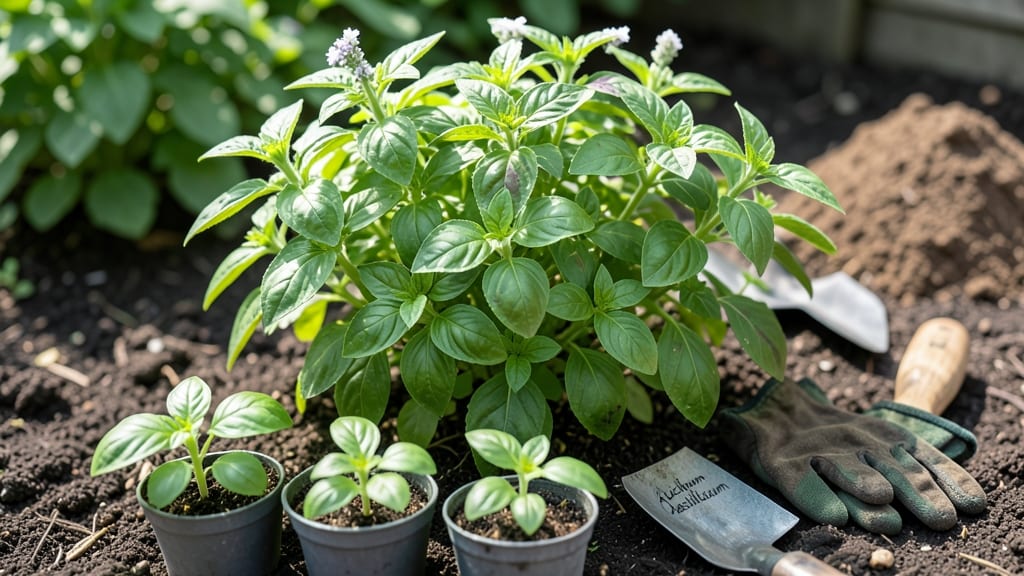
Planting basil in Maryland after the last frost — around April 15 — is the key to avoiding frost damage and bolting before harvest.
Maryland gardeners know basil’s delicate nature—plant too early, and frost will kill it; too late, and you risk bolting before harvest. Timing is everything for sweet, zero-bolt basil success.
With USDA zones 7a-8a, your window is tight: start seeds indoors by March 15 for transplants ready by late April, or direct-sow after soil hits 50°F. Container gardeners gain flexibility, but shade cloth becomes your best friend in July’s heat.
Below, I break down the exact frost-free timeline, how to stretch your season without risking flavor loss, and the best varieties for Maryland’s climate.
Maryland basil planting calendar: avoid frost and bolting
Maryland’s USDA zones 7a-8a create a 165-day frost-free window—perfect for basil if you time it right. The key is planting after your last spring frost (around April 15) and before summer heat triggers bolting.
In my experience, this 6-week window between mid-April and early June gives basil the ideal conditions to thrive without rushing into flower production.
Basil’s heat tolerance threshold is 85°F—any hotter, and it bolts. Maryland’s July-August temperatures often exceed this, which is why I recommend staggered plantings in May and June to extend your harvest.
Coastal areas like Annapolis have slightly cooler microclimates, while inland Frederick can hit 90°F earlier, requiring earlier shade protection.
Here’s your Maryland basil planting timeline with zone-specific adjustments:
For direct sowing (skipping the indoor start), aim for May 1-15 in zone 7a and April 20-May 5 in zone 7b. I’ve found that Genovese basil handles Maryland’s heat better than Thai varieties, which bolt faster when temperatures exceed 85°F for more than 3 days.
Container gardeners have an advantage—they can move pots to shadier spots during heatwaves. I keep my basil in 12-inch pots on a patio and notice a 30% slower bolting rate compared to in-ground plants. The key is morning sun and afternoon shade during July and August.
If you’re in coastal Maryland (like Cape Charles), your last frost date shifts to May 1, giving you an extra 2 weeks of growing time. Inland areas should plant 1-2 weeks earlier to account for faster warming soils.
I always check the Maryland Climate Hub for local adjustments—it’s saved me from frost damage twice!
For fall harvests, I recommend a second planting in early June. These plants mature just as summer cools, giving you flavorful leaves into October.
Just be prepared to harvest aggressively—fall basil grows faster in cooler temps but still bolts if left unchecked. Pinch those flower buds religiously!
Remember: Basil hates cold soil. If you rush planting and hit below 50°F, roots struggle to absorb water, leading to yellowing leaves. I’ve lost entire plants this way—don’t make my mistake! Wait for consistent 60°F+ nights before transplanting.
🌿 For zero-bolt success, combine proper timing with regular harvesting. Pinch leaves when plants reach 6 inches tall, and you’ll enjoy sweet, tender basil all season long.
How to extend Maryland basil season without risking bolting
Maryland’s warm summers and humid climate make basil a perfect herb to grow, but bolting can turn your sweet basil into bitter flowers before you’re ready. The key to extending your harvest is strategic timing and environmental control.
By using staggered planting, shade solutions, and soil temperature tricks, you can enjoy fresh basil from late spring through early fall without the bitterness of flowering.
Basil thrives when soil temperatures stay between 60°F and 80°F. If your Maryland garden hits 85°F or higher, your basil will bolt faster. Start by planting your first batch in late April or early May, after the last frost, when soil temperatures are stable.
Then, use the methods below to keep your plants happy and productive all season long.
- Plant 3 batches every 2-3 weeks from late April through early June for a continuous harvest.
- First batch: late April (soil at 50°F+). Second batch: early May. Third batch: mid-June.
- Use shade cloth (30-50%) over later batches to delay bolting in July-August heat.
- Install shade cloth (30-50%) when temperatures exceed 85°F to reduce heat stress.
- Use drip irrigation to keep foliage cool and prevent wilting under shade.
- Place basil in partial shade (morning sun, afternoon shade) if your garden gets intense afternoon heat.
- Test soil temperature with a soil thermometer—ideal range is 60°F-80°F.
- Mulch with straw or wood chips to keep roots cool and retain moisture.
- Avoid planting in black plastic mulch, which raises soil temps too high.
- Plant basil near tomatoes, peppers, or oregano to improve growth and deter pests.
- Avoid planting near rue or fennel, which can stunt basil’s growth.
- Use basil as a living mulch around other plants to suppress weeds and retain soil moisture.
Don’t forget to harvest regularly—pinching off the top sets of leaves encourages bushier growth and delays flowering. If you notice buds forming, snip them off immediately to redirect the plant’s energy into leaf production.
For container gardens, choose larger pots (12+ inches) to give roots more room, which helps basil handle heat better.
With these strategies, you can enjoy fresh basil from late spring through early October in Maryland, even during the hottest months. Just remember: shade, staggered planting, and soil management are your best tools against bolting. Happy gardening!
🌱