
Plants
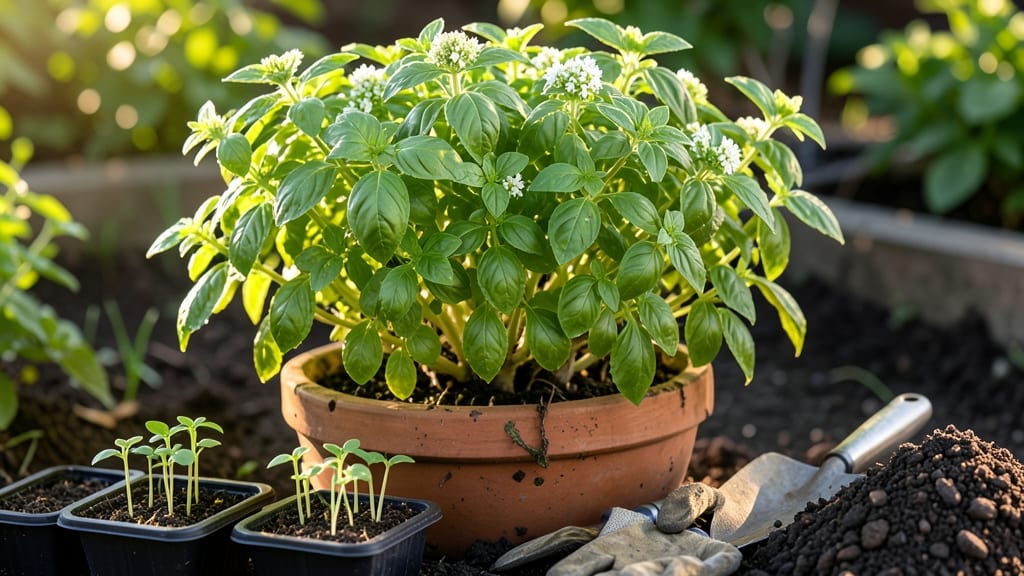
Planting basil in Seattle after the last frost date—typically mid-April—sets you up for a thriving harvest 🌿, but timing is everything in our unpredictable climate.
Seattle’s unpredictable weather can turn basil plants from thriving herbs to frost casualties overnight—but timing your planting just right ensures zero frost risk and a bumper harvest.
With USDA Zone 8a and coastal influences, your microclimate matters: urban heat islands may warm up faster, while inland valleys can linger in frost longer. That’s why waiting until soil temperatures hit 50°F is critical.
Here’s how to pinpoint the perfect window for your Seattle garden—whether you’re planting outdoors or in containers—plus early care tips to keep your basil lush all summer.
Seattle’s frost-free planting windows for basil: exact dates by microclimate
Seattle’s basil planting success hinges on understanding its microclimates—from the urban heat islands of downtown to the coastal chill of Bainbridge Island. The last frost date varies by USDA zones 8-9, but even within the same zone, your yard’s specific conditions can shift planting windows by weeks.
Let’s break down the exact dates and strategies to ensure your basil thrives from seed to harvest.
For Seattle gardeners, the average last frost date is April 15, but this can fluctuate by 10 days earlier or later depending on elevation and proximity to water. Coastal areas like West Seattle often experience delayed warming, while inland valleys like Kent may see earlier frost-free conditions.
To play it safe, I recommend waiting until soil temperatures consistently reach 50°F—a critical threshold for basil germination.
Here’s the game-changer: Seattle’s microclimates create three distinct planting windows for basil. Whether you’re in a city heat pocket, coastal breeze zone, or valley warmth pocket, these dates will help you avoid frost damage while maximizing your harvest potential. Let’s dive into the specifics.
🌱 Comparison Table: Seattle Basil Planting Windows by Microclimate
If you’re planting basil seeds indoors for a head start, begin 6-8 weeks before your local last frost date.
For urban heat islands, this means starting seeds by March 1, while coastal gardeners should wait until March 15. Transplant seedlings outdoors only after nighttime temperatures consistently stay above 50°F—a critical step to prevent cold shock.
Pro tip: Stagger your planting by 2-3 weeks to extend your harvest season. For example, plant a batch in late April and another in early June—this ensures fresh basil leaves from June through September, even if early plants bolt due to heat stress.
I’ve found this works especially well in Seattle’s unpredictable summers, where heatwaves can trigger bolting.
For container gardening, which is ideal for urban Seattle spaces, use 5-gallon pots with well-draining soil
How to extend your basil growing season in Seattle without risking frost
Seattle’s cool, damp climate and unpredictable frost dates make growing basil a challenge—but with the right strategies, you can enjoy fresh Genovese or Thai basil nearly year-round.
The key lies in extending your growing season using simple, low-cost techniques that protect tender plants from late spring frosts and early fall chills.
I’ve grown basil in Seattle for years, and my secret? Combining staggered planting, protective covers, and indoor seed-starting to maximize harvests. These methods let you avoid frost damage while keeping your pesto supply flowing from spring through fall—and even into winter with indoor care.
🌱 Seattle’s Basil Planting Timeline
Start indoor seeds in March (6-8 weeks before last frost) for early harvests. Transplant outdoors after April 15 (average last frost date). For fall crops, sow seeds indoors in August and move to a cold frame by September.
One of my favorite tricks is using row covers or floating row tunnels to shield basil from unexpected cold snaps. These lightweight fabrics trap heat and protect plants down to 25°F, giving your basil a fighting chance even when Seattle’s weather turns erratic.
I’ve seen basil survive light frosts under covers when it would otherwise crisp overnight.
For a continuous harvest, practice staggered planting: sow seeds every 2-3 weeks from April through July. This ensures you always have mature plants ready for harvest, while younger seedlings stay protected. In containers, you can even rotate pots to different sun spots as the season progresses, maximizing growth.
When frost threatens in late fall, move potted basil indoors to a sunny windowsill or under grow lights for 12+ hours of light daily. Prune back leggy stems to encourage bushier growth, and reduce watering slightly to prevent root rot.
With proper care, your basil can keep producing flavorful leaves until Christmas—and sometimes beyond!
Don’t forget about cold frames, which are perfect for Seattle’s climate. A simple DIY frame with clear plastic walls can extend your growing season by 4-6 weeks in both spring and fall.
Fill it with well-draining soil and plant basil in early September for a late-season harvest before winter sets in.
With these strategies, you’ll turn Seattle’s short growing season into a basil bonanza, enjoying fresh herbs for pesto, salads, and teas long after most gardeners have given up. The key? Stay proactive with protection and adaptable with your planting schedule. Your taste buds—and your plants—will thank you! 🌿