
Plants
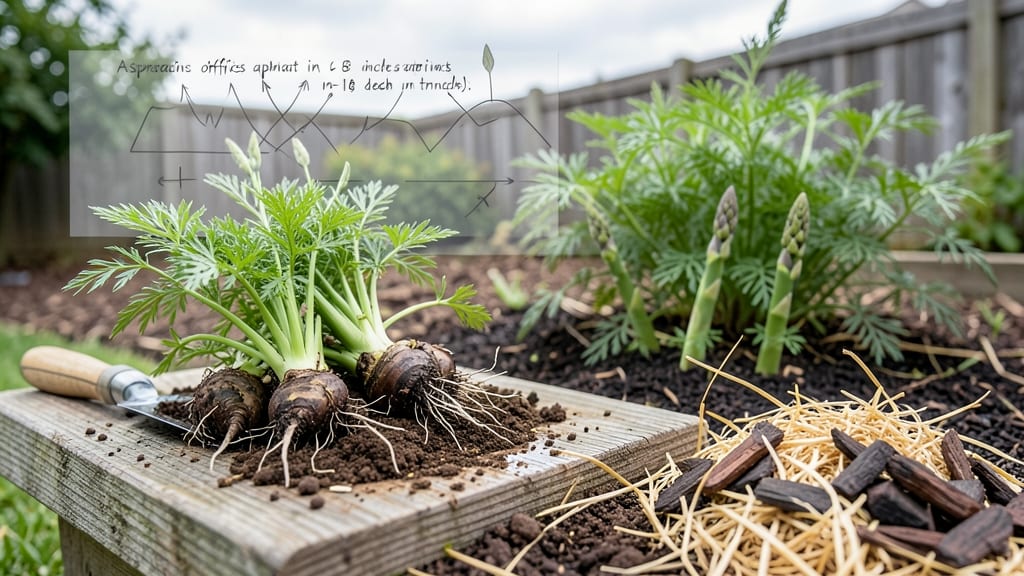
To plant asparagus in Maryland, aim for early spring when soil temperatures hit 50°F—typically March 15 to April 15, once the last frost has passed.
Maryland gardeners know timing is everything when planting asparagus—get it wrong, and you could wait years for harvest. But with Maryland’s USDA Zone 7b climate, there’s a precise 30-day window where success is nearly guaranteed.
This perennial 🌱 thrives in well-drained soil and full sun, but Maryland’s unpredictable spring weather means rushing too early risks frost damage. The key is waiting for soil warmth and avoiding soggy clay—common pitfalls in this region.
Here’s what you’ll learn: the exact frost-free timeline for your Maryland county, how to prep soil for maximum drainage, and why crowns outperform seeds in this climate.
Maryland asparagus planting timeline: exact dates for USDA Zone 7b
When to plant asparagus in Maryland hinges on soil temperature and last frost dates, which vary slightly across the state. In USDA Zone 7b, your best window opens when soil reaches 50°F consistently—typically mid-March to early April.
This aligns with Maryland’s average last frost date of March 15, but microclimates like Baltimore’s urban heat islands may push planting 1-2 weeks earlier than Western Maryland’s cooler valleys.
Asparagus thrives when planted as 1-year-old crowns (not seeds) for faster harvests.
Maryland gardeners should aim to get crowns in the ground 2-3 weeks before the last frost—this gives roots time to establish before summer heat arrives. Jersey Knight and Mary Washington are top varieties for Maryland’s climate, both requiring full sun and well-draining soil to prevent crown rot.
Maryland’s microclimates demand flexibility—Baltimore’s urban heat may allow planting by late February, while Western Maryland’s Appalachian foothills might delay until early April.
Use a soil thermometer to confirm readiness; asparagus roots won’t thrive in cold soil. Seed planting is riskier in Maryland’s climate, so crowns are the preferred method for most gardeners.
For Western Maryland (e.g., Frederick County), aim for April 1-15 planting to avoid late frosts. In Baltimore City, you can push to March 15-30 thanks to the urban heat island effect.
Always check the USDA Plant Hardiness Zone Map for your exact location—some areas in Maryland’s Zone 6b borders may need to wait until late April.
After planting, mulch heavily (3-4 inches) to maintain consistent soil moisture and suppress weeds. Asparagus is a perennial crop, meaning it’ll produce for 15+ years if planted correctly.
The first two years are all about building roots—no harvesting during this time, no matter how tempting those early spears look!
If you miss the spring window, Maryland’s mild winters sometimes allow for fall planting (September-October) in Zone 7b. However, this is riskier due to earlier frosts in November.
For fall planting, choose 1-year-old crowns and ensure they’re in the ground 6-8 weeks before the first frost date. Water deeply after planting to help roots establish before dormancy.
Pro tip: Mark your asparagus bed permanently—Maryland gardeners often forget where they planted it after the first year! Use landscape fabric to prevent weeds from competing with your asparagus, which has a slow-growing first year.
Avoid working the soil around the bed after planting, as this can damage the delicate crowns.
Remember, patience is key with asparagus. While you won’t harvest until year 3, proper timing now ensures decades of productivity. Maryland’s climate is perfect for this hardy perennial—just give it the right start and it’ll reward you with tender spears for years to come.
5 Critical factors that determine your perfect planting window
Maryland’s USDA Zone 7b climate creates a narrow but critical window for planting asparagus—one that hinges on five key factors. The first is soil temperature, which must reach a minimum of 50°F before planting.
Cold soil slows root growth and invites rot, especially in Maryland’s heavy clay. I’ve learned the hard way that rushing too early—before March 15—often means replanting after a late frost.
Next, last frost dates vary dramatically across Maryland, from early March in Southern Maryland to late April in the mountains. Check your county’s USDA frost map or local garden journal for precise dates.
For example, Baltimore typically sees its last frost around March 20, while Frederick County waits until April 5. Planting too soon risks killing tender crowns, while waiting too long can delay your first harvest by a full year.
Minimum 50°F (use a soil thermometer to verify). Maryland’s clay retains cold—wait for warmth at 6-inch depth.
Varies by county: Southern MD (March 15), Central MD (March 30), Western MD (April 15). Add 2 weeks buffer for safety.
Avoid soggy soil—Maryland’s clay needs well-draining beds. Test by squeezing a handful: if it holds shape, amend with compost.
Use Almanac’s frost calculator for your ZIP code. Bookmark it—Maryland’s microclimates shift frost dates by weeks.
Track your 3-year planting window: Year 1 (no harvest), Year 2 (foliage only), Year 3+ (spears). Note soil conditions annually to refine timing.
Don’t overlook moisture levels, especially in Maryland’s clay-heavy soils. Asparagus crowns rot in waterlogged conditions, so amend beds with organic matter like compost or sand to improve drainage.
I once lost a $50 crown bed to soggy soil—now I test moisture weekly with a trowel. If water pools after 24 hours, the site needs more amendment.
For absolute certainty, I rely on USDA frost maps and local garden journals. The Almanac’s frost calculator lets you plug in your ZIP code for hyper-local data.
For example, my garden in Howard County shows a last frost date of March 28, but my neighbor in Baltimore plants a week earlier. These tools eliminate guesswork and save you from costly mistakes.
Finally, keep a garden journal to track your asparagus’s progress over 3 critical years. Year 1 is all about root establishment—no harvest. Year 2 builds foliage but still no spears. Only in Year 3 will you see harvestable shoots.
Jot down soil temps, frost dates, and harvest yields to refine your planting window for future seasons. My journal now shows that my Jersey Knight variety thrives when planted by April 1 in Zone 7b, yielding spears by late May.
Master these five factors, and you’ll nail Maryland’s 30-day planting window like a pro. The payoff? Fresh asparagus for decades with minimal effort—just don’t rush the soil temperature! 🌱