
How To
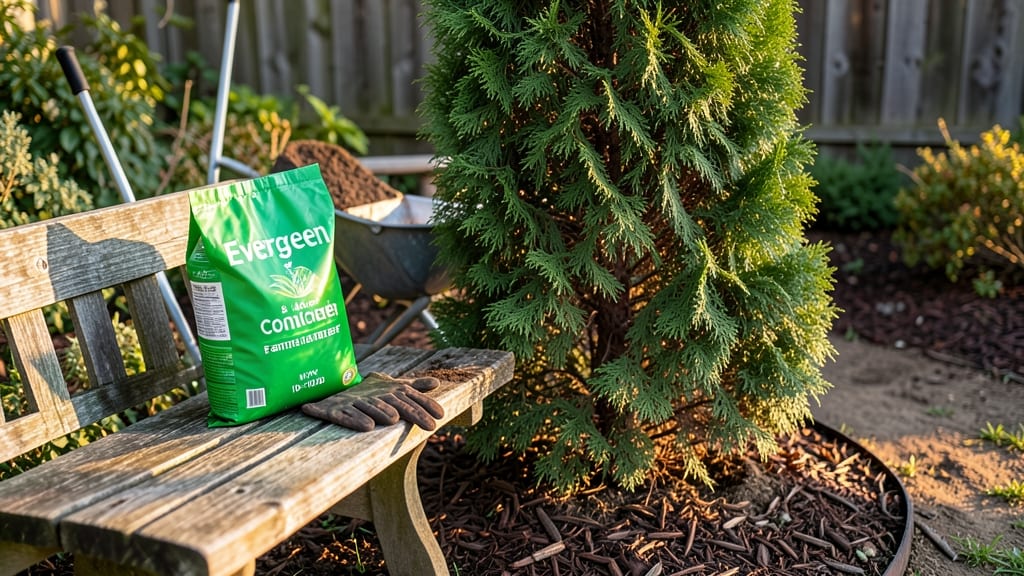
Fertilizing Thuja Green Giant 🌲 in early spring or late fall is the key to unlocking its fast growth potential—skipping these windows wastes money and stunts your tree’s development.
Picture this: You’ve just planted your Thuja Green Giant, and by year three, it’s supposed to tower 10–15 feet—but instead, it’s growing at a snail’s pace. The culprit? Wrong fertilization timing. Too early, and nutrients get wasted; too late, and your tree misses its growth surge.
Spring is the most critical time to feed, when soil warms and roots wake up from dormancy. Fall applications, however, are a game-changer for winter prep—just avoid overdoing it. Below, I’ll break down the exact schedule, fertilizer types, and warning signs of over- or under-feeding.
Ready to turn your Thuja Green Giant into a towering privacy screen in record time? Let’s dive into the science-backed timing, soil prep, and organic vs. synthetic options that’ll keep your tree thriving for decades.
Optimal fertilization timeline for Thuja Green Giant growth
Timing your Thuja Green Giant fertilization is just as important as the fertilizer itself. These evergreens thrive when fed during their active growth phases, but applying nutrients at the wrong time can waste resources or even harm your tree.
The key seasons are early spring and late fall, aligned with natural growth cycles and soil temperature triggers.
In spring, your Thuja’s roots begin their root flush when soil temperatures hit 50°F (10°C)—this is your cue to fertilize. Fall fertilization, however, should focus on pre-winter prep rather than stimulating new growth. Understanding these triggers ensures your Thuja absorbs nutrients efficiently without stress.
Your Thuja Green Giant enters its primary growth phase in spring when days lengthen and soil warms. This is when you should apply a slow-release fertilizer like 10-10-10 to provide steady nutrients over 6-8 weeks.
I recommend spreading granules around the root zone (not the trunk) and watering thoroughly to activate them.
In late spring, switch to a light organic feed like fish emulsion to maintain health without overstimulating growth. This aligns with the tree’s natural slowdown as summer heat arrives. The goal here is nutrient maintenance, not rapid growth.
Fall fertilization is often overlooked, but it’s critical for winter hardiness. Apply a balanced fertilizer (like 10-6-4) in early October when soil temps drop to 55°F (13°C). This gives roots time to absorb nutrients before dormancy, strengthening your Thuja against freeze stress and drought.
Never fertilize in winter—your Thuja is dormant, and new growth will freeze or burn before maturing. Winter applications also risk nutrient runoff from frozen soil, polluting groundwater. Instead, focus on mulching with 3-4 inches of wood chips to insulate roots.
For newly planted Thuja Green Giants, delay fertilization until the second spring to avoid shocking tender roots. In subsequent years, stick to the spring-fall schedule for consistent, 3-5 feet of annual growth. Over-fertilizing young trees can lead to salt buildup in the soil, which stunts growth.
Pro tip: Test your soil’s pH (6.0-7.0 ideal)** before fertilizing. Thuja Green Giants prefer slightly acidic soil, and a lime amendment may be needed if pH exceeds 7.5. Use a soil test kit ($15 at garden centers) for accuracy.
Aligning your fertilization with these seasonal triggers ensures your Thuja Green Giant grows 30-40 feet tall without stress. The key is patience—these trees reward consistent care with decades of lush, dense foliage and minimal pests. 🌲
Spring vs. fall fertilizer choices: what to use and why
Choosing the right fertilizer for your Thuja Green Giant depends on the season. In spring, focus on kickstarting growth with a high-nitrogen fertilizer like 30-10-10, while fall calls for a gentler 10-6-4 blend to support root hardening before winter.
The key difference? Spring fertilizers push rapid foliage growth, while fall options prioritize root development.
For organic gardeners, composted manure or fish emulsion works well in spring, but avoid heavy nitrogen in fall—it can stimulate tender new growth vulnerable to frost. Synthetic fertilizers offer precise NPK ratios, but organic options improve soil structure long-term.
I recommend testing your soil first to avoid overdoing micronutrients like iron or manganese, which Thuja Green Giants need in trace amounts.
Slow-release fertilizers are ideal for both seasons—they prevent nutrient spikes that burn roots. In spring, apply granular 30-10-10 around the root zone in early April when soil temps hit 50°F. For fall, switch to a balanced 10-6-4 in late September to let nutrients absorb before dormancy. Always water deeply after application to activate granules and reduce runoff.
Spring Fertilizer for Thuja Green Giant
- 🌱 Boosts rapid growth with high nitrogen
- ✂️ Encourages dense foliage for fuller appearance
- 🌡️ Best when soil temps exceed 50°F
- 💧 Requires frequent watering to prevent burn
- 🌱 Risk of overgrowth if applied too late
- 📅 Must apply before buds swell (early April)
Fall Fertilizer for Thuja Green Giant
- 🌿 Strengthens roots for winter resilience
- 🔄 Balanced NPK (10-6-4) avoids overstimulation
- 🍂 Applied in late September for gradual nutrient release
- ❄️ No new growth—avoids frost damage
- 📉 Less visible results than spring feeding
- ⏰ Must finish absorption before first frost
Micronutrient supplements can help if your Thuja Green Giant shows yellowing needles or stunted growth. A chelated iron spray in spring or a fish emulsion with micronutrients in fall can address deficiencies.
Always follow label rates—more isn’t better with evergreens like Thuja. I’ve seen slow-release osmocote granules work wonders for consistent feeding without the guesswork.
For established trees, split your spring fertilizer into two applications: half in early April and the rest in early June. This mimics natural growth cycles and prevents nutrient runoff.
In fall, a single application of organic compost mixed into the top 6 inches of soil works just as well as synthetic fertilizers, while also improving soil health for next year’s growth.
Pro tip: Mix a mulch layer of pine straw or shredded bark after fertilizing to retain moisture and regulate soil temperature. This is especially critical in USDA Zone 6a, where winters can fluctuate wildly.
Your Thuja Green Giant will reward you with 30+ feet of lush, dense growth when you nail the spring-fall fertilization balance.