
Trees
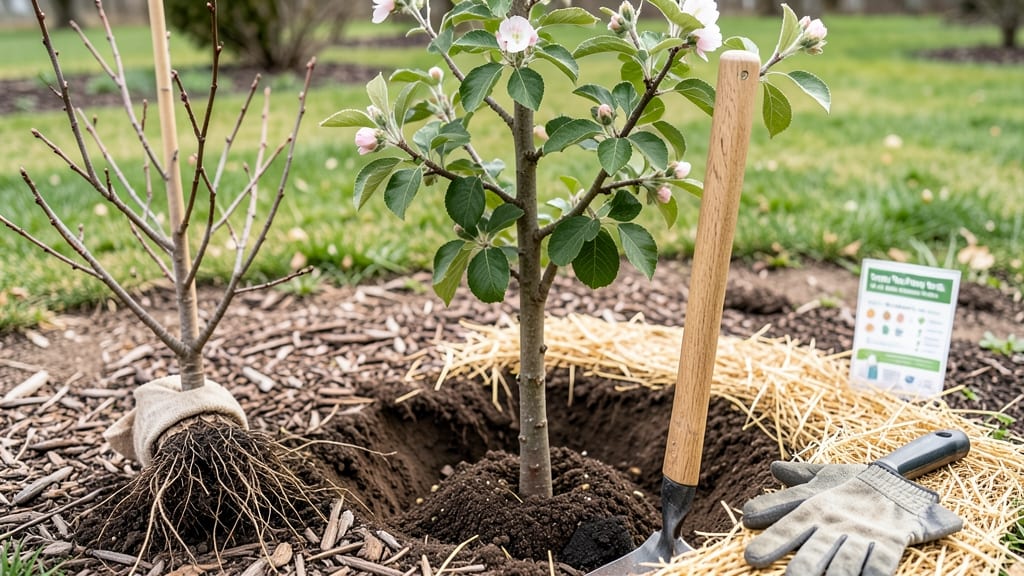
Planting apple trees in Massachusetts at the right time ensures they thrive in your Zone 5B-6B climate, avoiding frost damage and weak root growth.
Picture this: you’ve just planted your 🍎 tree in late May, only to watch it struggle through the first winter. Or worse, you planted too early in spring and lost your young tree to a late frost. Timing is everything, and Massachusetts’ unpredictable weather makes it tricky.
Most gardeners in the region swear by early spring planting—between late February and April—when the soil is workable but the risk of frost has passed. But fall planting can also work if you get it right, especially for container-grown trees.
The key is understanding your local microclimate, whether you’re in coastal New Bedford or inland Worcester.
In this guide, I’ll break down the best planting windows, how to adjust for Massachusetts’ frost patterns, and the mistakes that could ruin your orchard before it even starts. Let’s get those roots in the ground the right way.
Best planting months for apple trees in Massachusetts (zone 5B-6B)
Massachusetts gardeners know the first frost can arrive early, and apple trees need time to establish roots before winter. The ideal planting window in Zone 5B-6B is late winter to early spring (February through April), when soil temperatures rise above 40°F (4°C).
This timing ensures your tree grows roots before summer heat arrives, setting it up for strong fruit production in years to come.
Fall planting is also possible but requires careful timing—at least 6 weeks before your first frost (typically by mid-October). Young roots need time to harden off before winter dormancy.
In Massachusetts, coastal areas like Cape Cod may have a slightly extended fall window, while inland regions like Worcester should plant earlier to avoid late-season frost risks.
Soil temperature is the critical factor for success. Use a soil thermometer to confirm temperatures are consistently above 40°F (4°C) before planting. In Massachusetts, this usually happens by late March in most regions.
Planting too early in cold soil can stunt root growth, while waiting too long risks heat stress in young trees.
Bare-root apple trees are best planted in early spring (March to early April), while container-grown trees offer more flexibility—plant them in early spring or fall. Container-grown trees can handle slightly warmer soil, giving you a 2-week extension in either season.
Always check your tree’s rootstock compatibility with Massachusetts’ climate, as some varieties thrive better in cooler inland areas.
| Planting Window | Soil Temp Requirement | Best Tree Type | Massachusetts Timing |
|---|---|---|---|
| Early Spring (Ideal) | Above 40°F (4°C) | Bare-root or container-grown | February - April |
| Fall (Secondary) | Above 50°F (10°C) | Container-grown only | Mid-August - Mid-October |
| Late Spring (Risky) | Above 55°F (13°C) | Container-grown | May (only if soil warm) |
| Winter (Not Recommended) | N/A | N/A | Avoid (frost damage risk) |
For coastal Massachusetts (Zone 6B), you can push fall planting slightly later—up to early November—thanks to milder winters. Inland areas (Zone 5B) should aim for mid-October at the latest.
Always choose disease-resistant varieties like 'Liberty' or 'Enterprise' that perform well in your specific microclimate. These varieties handle Massachusetts’ humid summers and variable winters better than standard types.
After planting, mulch heavily (4-6 inches) with organic material to protect roots from temperature swings. Water deeply once a week during the first growing season, ensuring the soil stays moist but not soggy.
Young apple trees need consistent moisture to establish their root systems before entering dormancy. In drought-prone years, increase watering to twice weekly during dry spells.
One common mistake is planting apple trees too late in spring, after buds have already swollen. This delays root growth and reduces the tree’s ability to harden off before winter. Always check for bud swell—if buds are visible, wait until next spring.
For container-grown trees, gently remove the pot to inspect roots before planting; circling roots should be loosened to encourage outward growth.
Massachusetts’ variable climate means even the best-laid plans can face challenges. Monitor your tree’s progress with weekly inspections during the first growing season. Look for new leaf growth by mid-May, which signals successful root establishment.
If your tree shows yellowing leaves or stunted growth, it may need additional nutrient-rich compost or better drainage.
Remember, patience is key—apple trees planted in early spring may not bear fruit for 3-5 years, but proper timing now ensures a lifelong orchard that thrives in Massachusetts’ unique growing conditions.
With the right planting schedule and care, your apple tree will reward you with abundant harvests for decades.
How to adjust planting time for Massachusetts’ microclimates (coastal vs. inland)
Massachusetts’ coastal and inland regions create distinct planting windows for apple trees. Coastal areas like Cape Cod (Zone 6B) enjoy milder winters and earlier soil warming, while inland spots like Worcester (Zone 5B) face harsher conditions. These differences can mean the gap between success and struggling young trees.
Coastal gardeners often plant 2-3 weeks earlier than inland growers. The ocean’s moderating effect delays frost and warms soil faster, allowing roots to establish sooner. Inland areas, however, require patience—rushing planting risks frost damage to tender new growth.
Soil temperature is your best guide. Coastal soils hit 45°F (ideal for planting) by late March, while inland soils may need until mid-April. Use a soil thermometer to confirm readiness before digging.
| Factor | Coastal (Cape Cod) | Inland (Worcester) |
|---|---|---|
| USDA Zone | 6B | 5B |
| Last Frost Date | April 1 | April 15 |
| Ideal Planting Window | Late March-Mid April | Mid April-Late April |
| Soil Warms to 45°F | Late March | Mid April |
| Fall Planting Window | Late August-Sept 15 | Sept 15-October 1 |
| Key Risk | Salt spray damage | Late frosts |
For coastal plantings, prioritize salt-tolerant varieties like 'Liberty' or 'Enterprise'. These handle Cape Cod’s salty air better than standard cultivars. Inland gardeners should focus on hardy varieties like 'McIntosh' or 'Cortland', which thrive in colder climates.
Adjust your fall planting schedule too. Coastal areas can plant until September 15, while inland regions must finish by October 1 to avoid winter stress. Always plant at least 6 weeks before the first expected frost.
Monitor local microclimate patterns for 2-3 years. Note when nearby trees bloom and set fruit—this reveals your unique growing window. With these adjustments, your apple trees will establish roots confidently, no matter where in Massachusetts you garden. 🍎