
Trees
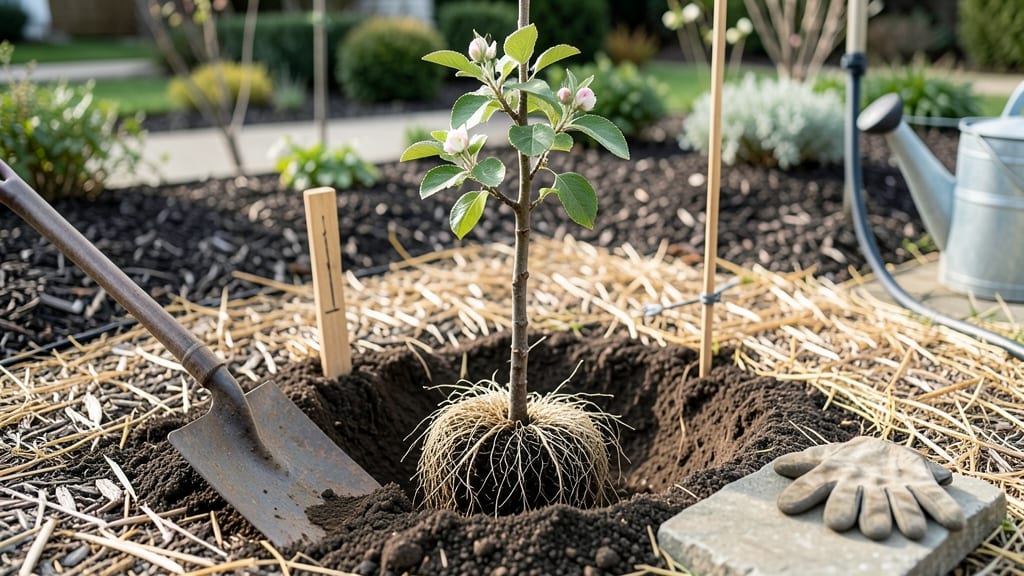
Planting apple trees in Alabama requires precise timing—late winter to early spring is your best shot to avoid frost damage and ensure strong root growth before the heat arrives.
Alabama’s warm climate and diverse micro-zones make planting apple trees a tricky balance—get the timing wrong, and your young sapling could wither before bearing fruit. But master these frost-free deadlines and chill-hour requirements, and you’ll be harvesting crisp, homegrown 🍎 in just a few years.
In USDA zones 7a-8b, the ideal window is February through March for bare-root trees, while container-grown varieties can wait until April. Southern counties like Baldwin and Escambia have longer frost-free seasons, but northern areas like Madison and Marshall need to act fast to beat the last frost.
Below, I’ll break down the exact chill-hour needs for your county, soil prep tips, and how to choose varieties that thrive in Alabama’s heat—so you can plant with confidence and enjoy your first harvest in just a few seasons.
Alabama’s chill hour zones: how to match apple varieties to your county’s winter needs
Alabama’s climate varies dramatically from the cool mountain regions of the north to the humid coastal areas of the south, creating a challenge for apple growers.
Unlike northern states, Alabama’s chill hours (the number of hours below 45°F needed for fruit production) range from just 200 hours in Mobile County to over 1,200+ hours in the Appalachian foothills.
Choosing the right apple variety for your county’s chill zone is critical—plant the wrong one, and you’ll end up with blooms but no fruit.
Northern Alabama counties like Madison and Marshall (USDA zones 7a-7b) typically see 800-1,200 chill hours, while southern counties like Baldwin and Escambia (zone 8a) often get 300-500 hours.
Heat-tolerant varieties like Anna or Dorsett Golden thrive in the south, while traditional favorites like Fuji or Gala struggle without sufficient winter chill. Let’s break down the best matches for your region.
⚠️ CRITICAL NOTE: Even in warm zones, some modern varieties (like Ein Shemer) produce fruit with as few as 200-300 chill hours, making them ideal for Mobile or Baldwin County. Always verify chill-hour requirements with your local Alabama Cooperative Extension office before purchasing.
| Chill Hour Zone | Counties | Best Varieties | Notes |
|---|---|---|---|
| 1,000+ hours | Madison, Marshall, DeKalb | Fuji, Gala, Honeycrisp, Jonathan | Traditional varieties; needs winter chill |
| 600-900 hours | Jefferson, Shelby, Tuscaloosa | Anna, Dorsett Golden, Redfree | Moderate chill; heat-tolerant |
| 300-500 hours | Baldwin, Escambia, Mobile | Ein Shemer, Anna, Tropical Beauty | Low-chill; thrives in warmth |
| 200-300 hours | Coastal (e.g., Gulf Shores) | Dorsett Golden, Anna (best bet) | Limited options; may need microclimate |
For northern Alabama (zones 7a-7b), traditional varieties like Fuji or Honeycrisp are excellent choices because they require 800-1,200 chill hours. These trees produce high-quality fruit and handle Alabama’s hot summers better than you’d expect.
Plant them in well-draining soil with afternoon shade to prevent sunburn, especially in counties like Madison or Marshall where summers can be brutal.
In central Alabama (zones 7b-8a), varieties like Anna and Dorsett Golden shine. These heat-tolerant apples need only 400-600 chill hours, making them perfect for Jefferson or Tuscaloosa. They’re also disease-resistant, a huge plus in Alabama’s humid climate.
I’ve had great success with Dorsett Golden in my Birmingham garden—it bears fruit reliably and handles our 90°F summers without stress.
Southern Alabama’s coastal counties (zones 8a-8b) present the biggest challenge, but don’t give up! Varieties like Ein Shemer and Tropical Beauty thrive with just 200-300 chill hours. These are your best bets for Mobile or Baldwin County, where winters are mild.
For even better results, plant near a south-facing wall or use drip irrigation to keep roots cool during summer heatwaves.
Pro tip: If you’re in a transition zone (like Montgomery or Auburnpollination partners. Many apple varieties need a second tree for cross-pollination. For example, plant Anna with Dorsett Golden to ensure fruit set.
Check the Alabama Cooperative Extension’s apple variety trials for updated recommendations—new heat-tolerant varieties are always in development!
One common mistake I see is assuming that container-grown trees are easier to plant in warm zones. While they’re convenient, they often require more frequent watering and may still need extra chill hours if moved indoors during winter.
If you’re in Baldwin County, stick to bare-root trees planted in late winter (February) to give roots time to establish before the heat sets in.
Finally, remember that microclimates matter. A spot near a pond or creek might get 100+ extra chill hours than your backyard, while a south-facing slope can add heat. Use a minimum-maximum thermometer for a few weeks to track your yard’s chill hours before committing to a variety.
With the right match, you’ll be enjoying homegrown apples in Alabama sooner than you think!
Best planting windows by Alabama county: frost-free deadlines and soil prep timing
Alabama’s diverse climate means your apple tree planting window can vary by 100+ days between northern and southern counties.
In Madison County (USDA Zone 7b), for example, the last frost typically arrives by mid-March, while Mobile County (Zone 8b) may see frost-free conditions as early as late February. Understanding these frost-free deadlines is critical for young trees still developing roots.
For bare-root apple trees, the ideal planting window is late winter (February) before buds swell but after soil thaws. Container-grown trees, however, can wait until early spring (March-April) after the last frost.
Southern counties like Baldwin or Escambia often have a 2-week earlier window than northern counties like Marshall or Jackson, thanks to milder winters.
Last frost: Mid-March
Best planting window: Late February–early March (bare-root) or April (container-grown)
Last frost: Early March
Best planting window: Early February–late March (bare-root) or March–April (container-grown)
Last frost: Late February
Best planting window: January–February (bare-root) or February–March (container-grown)
Soil preparation is just as critical as timing. Alabama’s clay-heavy soils in northern counties (like Limestone or Madison) need organic matter to improve drainage, while southern counties (like Mobile or Baldwin) often benefit from gypsum to break up compacted layers.
Work in 3–4 inches of compost or well-rotted manure when tilling the planting hole—this gives roots a nutrient-rich head start before spring growth begins.
If you’re planting in January or February (common in southern Alabama), protect young trees with frost cloth during unexpected cold snaps. Mulch heavily around the base (3–4 inches) to insulate roots and retain moisture.
In northern counties, wait until soil temperatures rise above 50°F to plant bare-root trees—cold soil can stunt root development for weeks.
Pro tip: Use a soil thermometer to monitor temperatures. Ideal planting soil should be 50–60°F—warmer than this, and roots may dry out too quickly. Pair this with deep watering (15–20 gallons per tree) immediately after planting to encourage root expansion into moist soil.
Remember, container-grown trees are more flexible—they can handle late spring planting (May) in southern Alabama, but northern counties should stick to March–April to avoid summer heat stress on newly transplanted roots.
With the right timing and soil prep, your apple tree will establish strong roots before Alabama’s hot, humid summers arrive.