
Plants
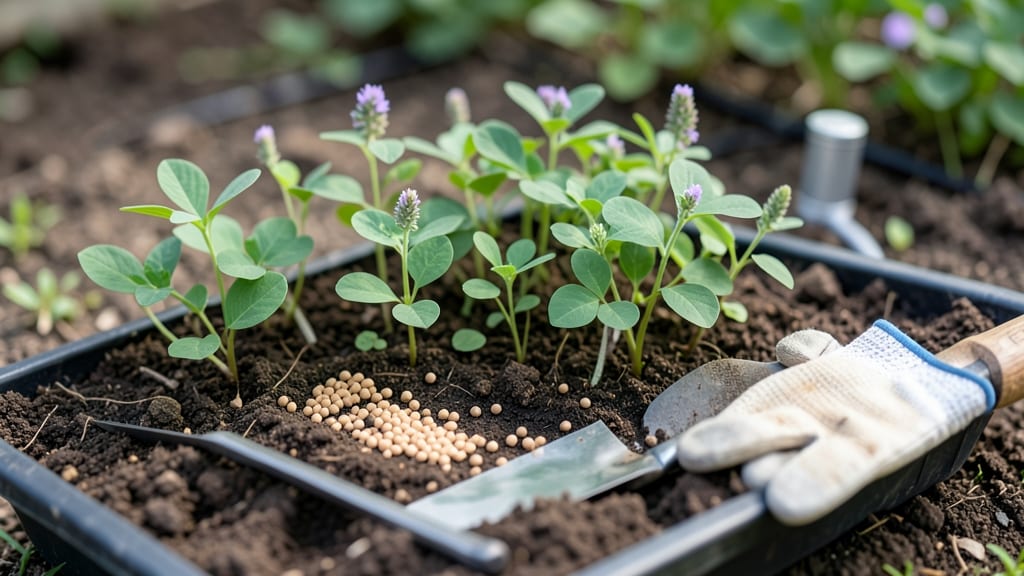
Planting alfalfa in Texas at the right time means the difference between a lush, high-yield crop and struggling seedlings that bolt in the heat.
If you’ve ever watched your 🌱 alfalfa seeds sprout only to wilt under Texas’s relentless sun, you know timing is everything. The wrong window can leave you with stunted growth, wasted resources, or even total failure—especially in zones 8a-10b, where heat and drought play hardball.
Fall and early spring are your best bets, but the exact month depends on whether you’re in North Texas (where frosts linger into March) or South Texas (where the ground stays warm year-round).
I’ll break down the optimal windows for each region, plus how to prep your soil and avoid the three biggest mistakes that derail Texas alfalfa growers.
By the end, you’ll know exactly when to plant for maximum yield, how to read your soil’s readiness, and why a few extra weeks can mean the difference between a thriving field and a failed crop.
Best planting months for alfalfa in Texas by climate zone
Texas' diverse climate zones—from North to South—create unique challenges for growing alfalfa. In North Texas (USDA zones 7b-8a), cooler winters and hotter summers demand precise timing, while Central Texas (8a-9a) offers a longer growing window.
Meanwhile, South Texas (9a-10b) can plant later due to milder winters. Getting the timing right ensures strong germination and avoids heat stress or frost damage.
Alfalfa thrives when planted during cooler months, ideally when soil temperatures hover between 50-60°F. This window typically falls in early spring (February-March) or fall (September-November).
Planting too early risks frost damage, while planting too late exposes seedlings to intense summer heat, which can stunt growth or trigger early flowering.
Here’s how to align your planting schedule with Texas’ three key regions for maximum success:
In North Texas, aim to plant alfalfa seeds by November 15 to ensure they establish roots before winter. The first frost typically arrives in early December, and seedlings need at least 6–8 weeks to harden off.
For spring planting, wait until February 1 to avoid frost damage to tender sprouts.
Central Texas gardeners have the most flexibility, with a 3-month window in fall (September–November) and another in late winter (February–March). This region benefits from moderate rainfall, but supplemental irrigation is critical in dry spells. Use a soil thermometer to confirm temperatures are ideal before planting.
South Texas’ warmer climate shifts the optimal window later. Plant in October–December to avoid summer’s 100°F+ temperatures, which can cause bolting (premature flowering). Spring planting can extend into early April, but monitor for heat stress signs like yellowing leaves or stunted growth.
Regardless of region, always test soil pH (ideal: 6.5–7.5) and amend with compost or aged manure before planting. Alfalfa is a legume, meaning it fixes nitrogen in the soil—so avoid over-fertilizing with nitrogen-rich amendments.
Pro tip: In North Texas, use black plastic mulch to warm soil in spring or straw mulch to insulate roots in fall. This extends your planting window by 2–3 weeks on either end.
Timing isn’t just about months—it’s about weather patterns. Check the National Weather Service for 10-day forecasts before planting. Aim for consistent rainfall or plan to irrigate deeply 2–3 times per week until seedlings are established.
By aligning your alfalfa planting with these regional guidelines, you’ll maximize germination rates, yield potential, and drought resilience—even in Texas’ unpredictable climate. 🌱
How soil temperature and moisture affect alfalfa germination in Texas
Alfalfa seeds are finicky about their environment, and Texas' extreme heat and dry spells make germination a real challenge if you don't time it right. The soil temperature and moisture levels are the two most critical factors for getting those tiny seeds to sprout consistently.
In my experience, planting when the soil is between 50-60°F gives alfalfa the best chance to establish roots before summer's brutal heat takes over.
Texas soils often struggle with poor moisture retention and compacted layers that prevent water from reaching seed depth. Without proper preparation, even the best planting window can fail. I've seen alfalfa seeds planted in dry, unamended soil simply bake in the sun before they ever get a chance to germinate.
Let's break down exactly what your soil needs to support successful alfalfa germination.
- 1
- 2
- 3
- 4
- 5
In Texas, fall planting (September-November) is often the most reliable time to achieve those ideal 50-60°F soil temperatures. The cooler nights and slightly higher rainfall increase your chances of success.
If you're planting in early spring (February-March), be prepared to irrigate frequently, as soil warms quickly and can dry out seeds before germination.
One common mistake I see is assuming Texas soils are "good enough" without testing. Many areas have high clay content that bakes hard when dry and becomes waterlogged when wet.
I always recommend amending with compost or sand to improve structure. Even a 20% compost mix can make a huge difference in moisture retention and root development.
Finally, don't underestimate the power of consistent moisture during germination. Alfalfa seeds need to stay moist for 10-14 days to sprout. In my trials, using drip irrigation or soaker hoses has given me the most consistent results, especially in sandy soils that dry out quickly.
A simple mulch layer can double the time your soil stays moist.
With the right soil prep and attention to temperature and moisture, you can turn Texas' challenging conditions into your alfalfa's advantage. The key is patience—those seeds won't rush, but with the right setup, they'll reward you with a lush, productive crop year after year. 🌱