
Plants
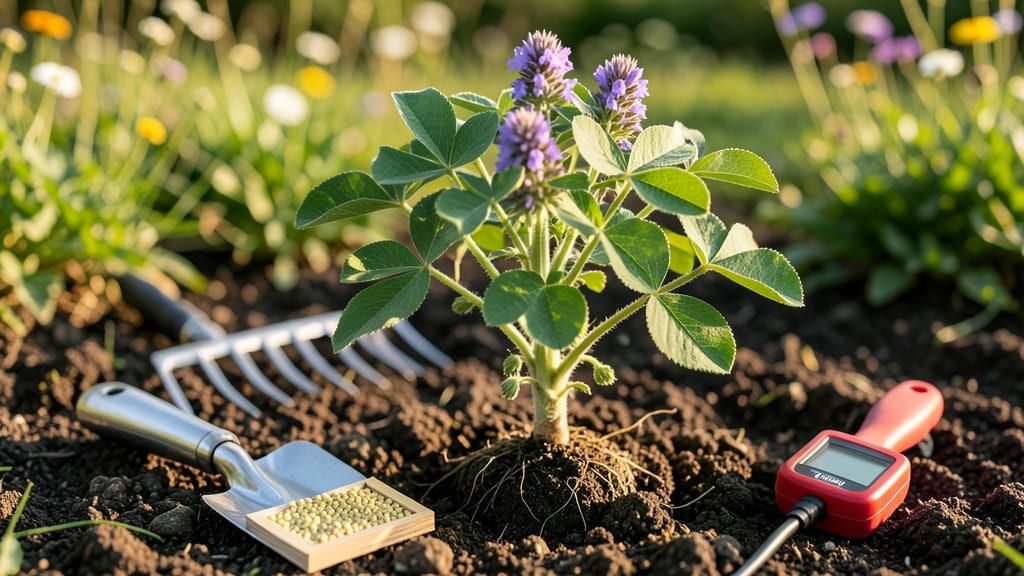
Planting alfalfa in Missouri between early spring and late summer ensures strong, drought-resistant stands that feed livestock for years.
Missouri’s unpredictable climate can make or break your alfalfa crop—planting at the wrong time means stunted growth, poor yields, or even total failure. But timing it right guarantees lush, high-protein stands that thrive year after year.
For USDA Zones 5b-6b, the ideal window is after the last frost—typically March 15—when soil temperatures hit 60°F. Late summer (August-September) is another smart choice, avoiding the heat stress of mid-summer planting.
Below, I break down exact months by zone, soil prep tips, and how to avoid common mistakes that waste seed and time.
Best planting months for alfalfa in Missouri by USDA Zone (exact timeline)
Alfalfa thrives in Missouri’s USDA Zones 5b-6a, but timing is everything for strong germination and establishment. The last spring frost typically arrives around March 15, while the first fall frost hits mid-November—giving you a 180-day frost-free window.
Planting too early risks frost damage, while waiting too long can lead to poor root development before winter. Let’s break down the exact planting windows for each zone to maximize your yield.
For USDA Zone 5b (northern Missouri), aim for early April to mid-May or late August to early September. The soil must reach 60°F (15°C) for seeds to germinate properly.
In Zone 6a (southern Missouri), you’ve got a slightly longer window: mid-March to early April or mid-August to early September. Warmer soils in the south allow for earlier spring planting, but avoid planting when nighttime temperatures dip below 50°F (10°C)—alfalfa seeds won’t sprout in cold soil.
Here’s your zone-specific planting timeline with frost risk and soil temperature requirements:
Spring planting is my top recommendation because alfalfa needs 60-90 days of warm weather to establish strong roots before winter. If you choose fall planting (August-September), ensure seedlings have 4-6 weeks to grow before the first frost.
In Zone 5b, this means planting by September 1 at the latest, while Zone 6a gardeners can push it to September 15.
Missouri’s unpredictable spring rains can delay planting, so always check your soil temperature with a probe—alfalfa seeds won’t germinate below 55°F (13°C). If your soil is too cold, wait 1-2 weeks for warmer conditions.
Pro tip: Use a soil thermometer to track daily temps and avoid planting when nights drop below 50°F (10°C)—this can kill young seedlings.
For second-year stands, adjust your timing based on harvest history. If you’re renovating an old field, plant in late spring (May) after the first cutting to give new seedlings a head start.
Always disk or till the soil to 6-8 inches deep before planting to break up compaction and improve drainage—alfalfa hates soggy roots.
One common mistake I see is planting alfalfa in June or July. The intense summer heat and limited rainfall in Missouri create stress that stunts growth. If you must plant late, opt for August when temperatures begin to cool.
Just be prepared to water deeply until roots establish, as late-season seedlings are more vulnerable to drought.
Missouri’s microclimates also play a role. In the Ozarks (Zone 5b), cooler nights mean slower soil warming—wait until mid-April for spring planting. Meanwhile, the Bootheel (Zone 6a) can plant as early as late February if soil temps are right.
Always check local frost dates from your county extension office for the most accurate timeline.
To summarize: Plant alfalfa in Missouri between March-April or August-September, prioritize soil temperature over calendar dates, and avoid summer planting. With the right timing, you’ll get lush, high-yielding stands that outperform neighbors who guessed wrong on the schedule. Happy planting! 🌱
Critical factors that determine alfalfa planting success in Missouri
Missouri’s diverse microclimates—from the humid Bootheel to the drier Ozarks—create unique challenges for alfalfa growers. The right planting window depends on soil moisture, rainfall patterns, and even local frost dates.
In the Bootheel, for example, spring flooding can delay planting by weeks, while the Ozarks often face earlier frost risks that shorten the growing season.
Alfalfa thrives with consistent moisture during germination, but overwatering in heavy clay soils (common in northern Missouri) can suffocate roots. Meanwhile, the Bootheel’s high humidity increases disease pressure, making late summer plantings riskier due to fungal threats.
Understanding these regional differences is key to avoiding stunted stands or complete crop failure.
- 🌱 Soil Moisture: Aim for 50-60% field capacity at planting. Test with a soil probe—dry soils delay germination, while waterlogged soils rot seeds.
- 🌧️ Rainfall Timing: Plant in March-April when 2-3 inches of rain is forecasted post-planting. The Bootheel benefits from late summer plantings (August) to avoid spring floods.
- ❄️ Microclimate Adjustments: Ozarks growers should plant 2-3 weeks earlier than the Bootheel to escape early frosts. Use row covers if planting near USDA Zone 5b borders.
- 🌡️ Soil Temperature: Wait until 60°F (15°C) soil temps are consistent. In the Bootheel, this often means mid-April; in the Ozarks, it’s late April.
- 🌾 Second-Year Stands: For established alfalfa, overseed in late summer (August-September) to capitalize on fall rains and avoid summer drought stress.
Missouri’s rainfall variability is your biggest wildcard. The Bootheel averages 45 inches annually, while the Ozarks see just 35 inches. If you’re in a drought-prone area, prioritize late summer plantings to leverage fall moisture.
Meanwhile, northern Missouri’s clay-heavy soils require drainage amendments (like gypsum) to prevent root rot.
Don’t overlook second-year stands—they’re where alfalfa’s productivity peaks. In Missouri, overseeding in August lets young plants establish roots before winter, while spring plantings risk competition from weeds. For Bootheel growers, late summer also avoids hurricane-season delays that can disrupt planting schedules.
Pro tip: Use a soil moisture sensor to track root-zone humidity. Alfalfa needs 1-2 inches of water weekly during establishment, but overwatering in heavy clay (like in St. Louis County) can be just as damaging as drought.
Adjust your irrigation schedule based on local weather forecasts—the National Weather Service’s Missouri climate maps are your best friend here.
Timing isn’t just about the calendar—it’s about reading your land. Whether you’re in the Ozarks’ rolling hills or the Bootheel’s flatlands, local observations (like neighboring farmers’ planting dates) often beat generalized advice.
Start small, monitor your stand density, and adjust future plantings based on what works for your specific microclimate.