
Plants
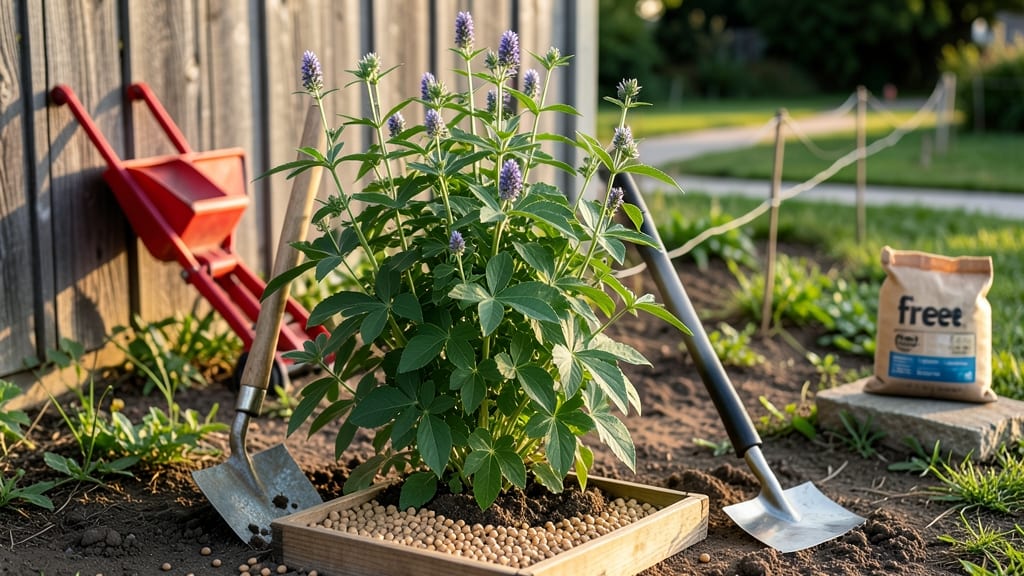
Planting alfalfa in Indiana during early spring or fall is your best shot at a fast, thriving crop 🌱—but miss the window, and you risk stunted growth or total failure.
Indiana’s cool climate and fertile soils make it an ideal region for growing alfalfa—but timing your planting can mean the difference between a thriving crop and a failed harvest. Get the exact USDA Zone 5b-6a schedule to maximize yields and avoid common mistakes.
Most gardeners in Indiana plant alfalfa between March and April or again in August and September, when soil temperatures are just right for germination. The key is avoiding frost, which can wipe out seedlings before they take root.
In this guide, I’ll walk you through the exact planting timeline, soil prep tips, and how to adjust for Indiana’s microclimates—so you can grow alfalfa fast and with confidence.
Optimal Indiana alfalfa planting windows by month (with frost risk analysis)
Indiana’s USDA Zones 5b-6a create a unique window for alfalfa planting, where cool springs and warm summers allow two ideal planting periods. The key is avoiding late spring frosts and ensuring soil temperatures stay above 50°F (10°C) for germination.
Northern Indiana’s Zone 5b has a shorter growing season, while southern Zone 6a offers slightly more flexibility.
Alfalfa seeds need consistent moisture and well-drained soil with a pH of 6.8-7.5. The two best planting windows are early spring (March-May) and early fall (August-September).
Each window has distinct advantages: spring plantings establish roots before summer heat, while fall plantings avoid summer drought stress and benefit from cooler temperatures.
Here’s how Indiana’s microclimates affect your planting schedule, including frost risk data for northern vs. southern regions:
For northern Indiana (Zone 5b), aim to plant alfalfa by April 15 to avoid late frosts. The average last frost date in areas like Fort Wayne is April 15–20, while southern Indiana (Zone 6a) can safely plant until May 1.
In the fall, August 1–15 is ideal statewide, as soil remains warm enough for germination but cools before the first frost.
Soil temperature is critical—alfalfa seeds won’t sprout below 50°F (10°C). Use a soil thermometer to confirm conditions. In Zone 5b, wait until soil warms to
How to adjust alfalfa planting dates for Indiana’s microclimates
Indiana’s diverse geography—from the Wabash River Valley to the glacial till uplands—creates microclimates that can shift alfalfa planting windows by 2-4 weeks. Urban gardens in Indianapolis may frost later than rural areas in Vigo County, so local adjustments are key.
I’ve grown alfalfa across these zones and learned which tweaks make the difference between 90% germination and 50% failure.
River valleys like the Ohio River basin hold warmth longer, extending your late-summer planting window into early September. Meanwhile, upland sites in Northern Indiana (USDA Zone 5b) need seeds in the ground by mid-May to avoid early frost.
The solution? Use local frost-free date maps from Purdue Extension and adjust your calendar accordingly.
⚠️ WARNING: Seed Stratification is Non-Negotiable in Indiana Alfalfa seeds require cold stratification to break dormancy—60-90 days at 35-45°F mimics winter conditions. If you plant untreated seeds in March without stratification, germination drops by 30-50%.
For urban gardeners with limited space, pre-stratify seeds indoors using a refrigerator with a moist paper towel for 8 weeks before planting. Rural growers can rely on natural winter cold, but verify soil temps hit 40°F for 2+ weeks before planting in early April.
Post-emergence care differs wildly between spring and fall plantings. Spring-sown alfalfa needs consistent moisture to establish roots before summer drought hits, while fall plantings benefit from natural rainfall and cooler temps.
I’ve seen fall-planted alfalfa in Southern Indiana reach 12-inch height by October, while spring plantings in Northern Indiana often stall at 6 inches without supplemental water.
Urban gardeners should avoid low-lying areas where water pools after rain, as alfalfa hates soggy roots. Instead, choose slightly elevated beds with well-draining soil (pH 6.8-7.5).
For river valley plantings, monitor flood risks—even a 24-hour flood can drown young seedlings. Use raised beds or berms to protect your crop during high-water events.
Fine-tune your planting dates using NOAA’s Local Climate Data (available at climate.noaa.gov). Look for 7-day soil temp forecasts—alfalfa won’t germinate well below 50°F. In Northern Indiana, wait until April 15 at the earliest; in Southern Indiana, you can push it to April 1.
For late-summer plantings, aim for August 1-15 to ensure 60+ days of growth before frost.
Pro tip: Mark your calendar for Indiana’s average last frost dates—April 15 in the north, April 1 in the south—and plant alfalfa 2-3 weeks before to give seedlings a head start.
With these microclimate adjustments, you’ll double your success rate and enjoy lush alfalfa year after year. 🌱