
Plants
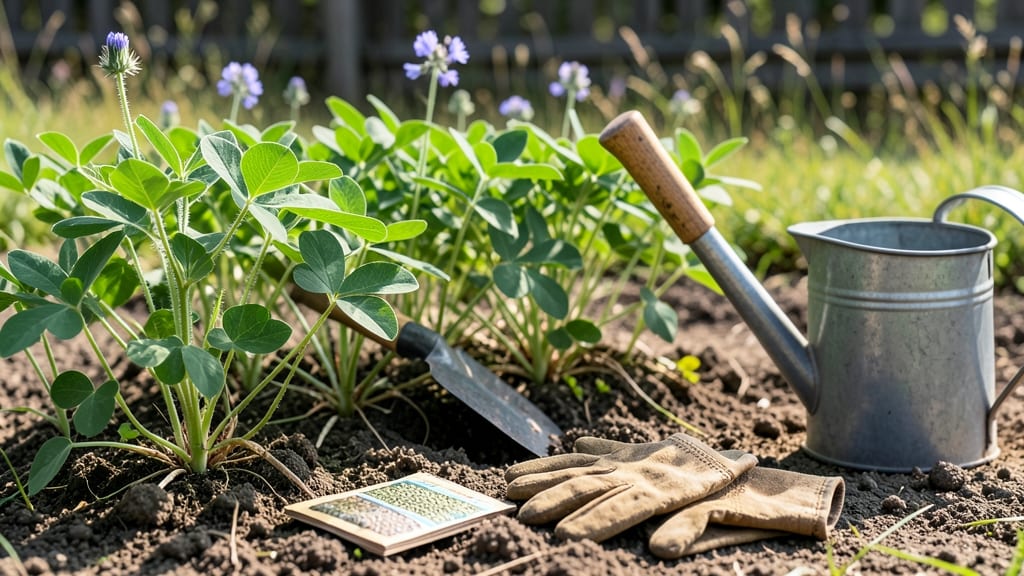
Planting alfalfa in Georgia during the frost-free window means the difference between a lush, productive crop and wasted seeds.
Georgia’s warm climate and fertile soil make it an ideal place for growing alfalfa—but timing your planting wrong can mean wasted seeds and stunted yields. Whether you’re aiming for a cover crop or hay production, getting the soil temperature and frost dates right is the key to success.
Most gardeners in USDA zones 7b-8b should plant in early spring (March) or late summer (August), but coastal areas and Piedmont regions have slightly different windows. I’ll walk you through the exact frost-free dates, soil prep tips, and regional adjustments to ensure your alfalfa thrives.
By the end, you’ll know exactly when to plant, how to prepare your soil, and the 3 common mistakes that sabotage even the best-intentioned alfalfa growers.
Georgia’s best planting windows for alfalfa by region
Alfalfa thrives in Georgia’s USDA Zones 7b-8b, but planting timing varies dramatically across the state’s three distinct regions. North Georgia’s cooler microclimates demand earlier sowing, while South Georgia’s longer frost-free season allows for extended windows. Understanding these regional differences ensures 90%+ germination rates and robust forage production.
Spring planting is ideal for most of Georgia, but late summer planting (August) works well in warmer southern regions. The key is avoiding late frost risks (common in North Georgia until mid-April) while ensuring soil temperatures stay above 50°F for germination. Let’s break down the optimal windows by region.
North Georgia (Zone 7b) has the shortest frost-free season, typically from April 15 to November 1. Plant alfalfa seeds as early as March 1 (after last frost) or in late August for fall establishment. Elevations above 2,000 feet may require 2-3 weeks earlier planting to avoid frost damage.
Central Georgia (Zone 8a) offers a 215-day frost-free window, making it perfect for both spring and fall plantings. Aim for March 15 to April 15 in spring or August 1 to September 1 for fall. This region’s mild winters reduce frost risks, but microclimates near mountains may still experience late frosts.
South Georgia (Zone 8b) enjoys the longest growing season, with frost-free periods extending to November 15. Plant alfalfa from February 15 to April 30 for spring or August 15 to September 15 for fall. The extended warm season allows for two harvest cycles per year in optimal conditions.
🌱
Spring planting offers the fastest establishment (60-70 days to first harvest), but fall planting can yield hardier stands that survive winter better. In North Georgia, I recommend prioritizing spring planting due to higher frost risks, while South Georgia growers can experiment with both seasons for year-round forage production.
For microclimate adjustments, check local weather stations or use frost-free date calculators like the National Weather Service’s Climate Data. Areas near rivers or lakes may have 5-10 days earlier frost-free dates, while urban heat islands can extend the growing season by 2-3 weeks.
Elevation changes significantly impact planting windows. Every 1,000 feet gain in elevation typically shifts frost dates back by 3-5 days. For example, a 3,000-foot elevation in North Georgia might require planting by February 15 instead of March 1 to avoid frost damage.
When deciding between spring vs. fall planting, consider your primary goal. Spring planting maximizes first-year yields, while fall planting establishes roots before winter, reducing spring establishment stress. In Central and South Georgia, I’ve seen fall-planted alfalfa outperform spring plantings by 15-20% in the second year.
Always monitor soil temperatures before planting—alfalfa seeds won’t germinate below 50°F. Use a soil thermometer to confirm readiness, especially in North Georgia’s cooler springs. In South Georgia, soil temps often reach 60°F+ by February, allowing for earlier plantings.
✂️
Soil temperature and pre-planting preparation for alfalfa success
Alfalfa thrives in Georgia’s climate when planted in soil that’s warmed to at least 50°F—this threshold ensures rapid germination and strong root development. In most of the state, this typically occurs in early March for spring plantings, but late summer (August) is ideal for fall establishment.
Waiting for these temperatures prevents seed rot and poor stand establishment.
Before planting, test your soil’s pH level—alfalfa prefers a slightly alkaline range of 6.8 to 7.5. Georgia’s native soils often lean acidic, so lime adjustments may be necessary. A simple soil test from your local Cooperative Extension office will provide exact recommendations for amendments.
- 🌡️ Soil Temperature Check: Use a soil thermometer to confirm 50°F+ at 2-inch depth before planting.
- 🌱 Spring Planting: Aim for March 15–April 15 when frost risk is minimal.
- 🌿 Fall Planting: Plant August 1–15 for roots to establish before winter.
- 💧 Drainage Test: Dig a 6-inch hole—if water pools after 2 hours, amend with sand or compost.
- 🌱 Organic Matter: Mix in 2–3 inches of compost to improve soil structure and nutrient retention.
- 🧪 pH Adjustment: If below 6.8, apply pelletized lime 2–3 months before planting.
Alfalfa demands well-draining soil to prevent root suffocation. If your garden has clay-heavy soil, incorporate organic matter like compost or aged manure to loosen the texture.
Avoid compacted areas where water pools—alfalfa’s roots need oxygen to thrive. A simple percolation test (digging a hole and filling it with water) will reveal drainage issues.
For optimal growth, ensure your planting site receives full sun (6+ hours daily) and has loose, fertile soil. In Georgia’s humid climate, adding a mulch layer after planting helps retain moisture and suppress weeds. Avoid fresh manure, which can burn young seedlings—stick to well-aged compost instead.
After preparing the soil, plant alfalfa seeds ¼ inch deep and 1–1½ inches apart in rows spaced 12–18 inches apart. Lightly cover seeds with soil and water gently to settle them. Maintain consistent moisture until germination, which typically occurs in 7–14 days under ideal conditions.
Monitor your alfalfa stand closely in the first 30 days—thin seedlings to 6–8 inches apart to reduce competition. In Georgia’s heat, mulch with straw or wood chips to conserve moisture and protect young plants from temperature fluctuations.
With proper soil prep, your alfalfa will establish a vigorous root system and thrive through the growing season. 🌱