
Planting
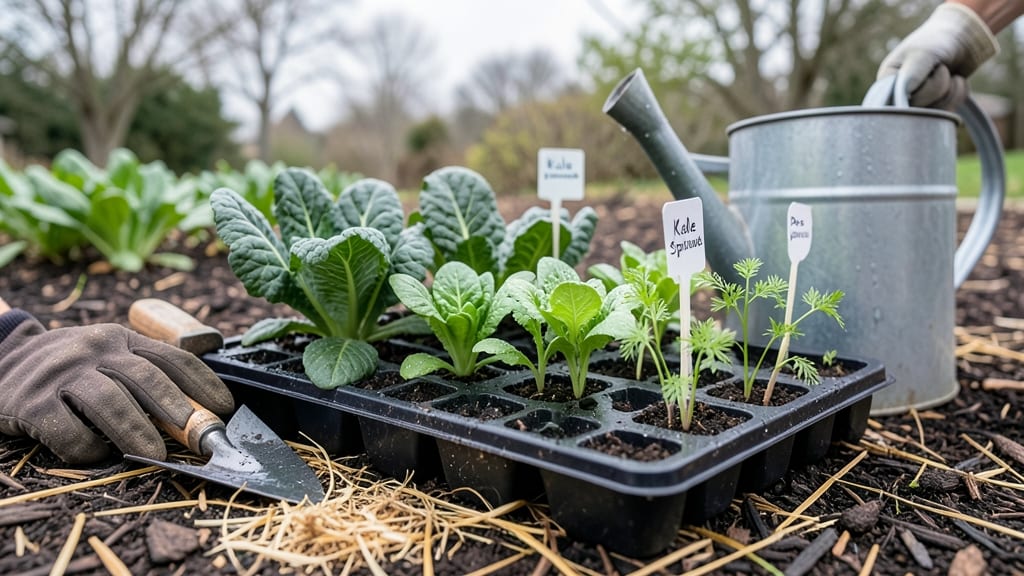
To plant a vegetable garden in Seattle, time your sowing between late March and early May for cool-season crops like kale and peas, or wait until mid-May to June for heat-loving tomatoes and peppers.
Seattle’s unpredictable weather can turn your vegetable garden dreams into a gamble—unless you master the exact planting windows for zero-frost-risk crops. Get the precise timing tailored to Seattle’s microclimates, from urban balconies to rural zones, to maximize your harvest.
With USDA Zone 8a conditions, gardeners often misjudge the last frost date—sometimes as late as March 15—and risk losing tender seedlings. But by aligning your planting schedule with local frost averages and microclimate variations, you can extend your growing season and avoid common pitfalls.
Below, I’ll break down the ideal planting calendar for Seattle’s spring and fall seasons, including when to start seeds indoors, direct-sow outdoors, and use protective covers to safeguard your 🥬 garden from late frosts or early chills.
Seattle’s planting zones: when to start seeds indoors vs. direct-sow outdoors for zero-frost crops
Seattle’s USDA Zone 8a/8b classification might suggest a simple planting schedule, but the city’s microclimates create dramatic differences between neighborhoods. For example, West Seattle averages 10-14 days later for last frost than the Eastside.
This means your tomato seeds started in February on the Eastside could face frost if transplanted too early in West Seattle’s urban heat island. Understanding these nuances is key to avoiding frost damage and maximizing your harvest.
Zero-frost crops like tomatoes, peppers, and basil demand precision timing. In Seattle, the average last frost date falls between March 15 (Eastside) and April 1 (West Seattle). However, direct-sowing outdoors for frost-sensitive crops should wait until two weeks after your local last frost date.
For indoor seed starting, this means beginning 8-10 weeks before your target transplant date to ensure strong, transplant-ready seedlings.
Cold-hardy crops like lettuce, kale, and peas can handle Seattle’s cool springs and often tolerate light frosts. These can be direct-sown outdoors as early as February in rural areas or March in urban zones. Meanwhile, frost-sensitive crops like eggplants and okra require indoor starts as early as January to avoid frost damage entirely.
| Crop Type | Frost Sensitivity | Indoor Start Date (Eastside) | Indoor Start Date (West Seattle) | Direct-Sow Outdoors | Transplant Date |
|---|---|---|---|---|---|
| Tomatoes | High | February 15 | March 1 | N/A (Indoor start only) | April 15 (Eastside) / April 30 (West Seattle) |
| Peppers | High | February 20 | March 5 | N/A (Indoor start only) | April 20 (Eastside) / May 5 (West Seattle) |
| Lettuce (Leaf) | Low | N/A (Direct-sow) | N/A (Direct-sow) | February 15 (Eastside) / March 1 (West Seattle) | N/A (Cut-and-come-again) |
| Basil | Medium | March 15 | March 25 | N/A (Indoor start preferred) | May 1 (Eastside) / May 15 (West Seattle) |
| Kale | None | N/A (Direct-sow) | N/A (Direct-sow) | February 1 (Eastside) / February 15 (West Seattle) | N/A (Hardy to frost) |
| Eggplant | Very High | January 20 | February 5 | N/A (Indoor start only) | May 10 (Eastside) / May 25 (West Seattle) |
For Eastside gardeners, where warmer microclimates prevail, you can push indoor starts slightly earlier. For instance, tomato seeds can begin as early as February 15, giving you a 10-week head start before transplanting around April 15.
In contrast, West Seattle’s cooler coastal influence delays safe transplant dates by 2-3 weeks, so adjust your seed-starting schedule accordingly to avoid frost damage.
One common mistake is assuming all of Seattle follows the same timeline. For example, urban balconies in Ballard may experience earlier last frosts than rural areas in Snohomish County.
Always check local frost data from sources like the NOAA Seattle station or WSU Extension for real-time adjustments. If you’re unsure, err on the side of delaying transplants
Microclimate-specific planting calendar: month-by-month schedule for Seattle’s urban, suburban, and rural areas
Seattle’s microclimates create dramatic differences in planting success. Urban areas like Ballard or Capitol Hill often experience delayed spring warmth due to Puget Sound’s influence, while rural zones in Sammamish or Redmond warm up 2-3 weeks earlier.
These variations mean basil might thrive in late May in the city but can start in early April in rural areas.
For zero-frost-risk crops, timing is everything. Warm-season plants like tomatoes and peppers need soil temps above 55°F to germinate, while heat-tolerant varieties (e.g., ‘Early Girl’ tomatoes or ‘Jalapeño M’) can handle Seattle’s brief summer heat. Below is your month-by-month guide tailored to Seattle’s three key microclimates.
📅 Urban Areas (e.g., Ballard, Fremont, West Seattle): Last frost averages April 15, but coastal breezes delay warming. Start warm-season crops indoors by March 1 and transplant after May 15. For succession planting, sow lettuce every 2 weeks from March to September.
🌿 Suburban Areas (e.g., Bellevue, Kirkland, Shoreline): Warmer than urban zones, with last frost around April 1. Begin direct sowing of beans and cucumbers by April 15. Heat-tolerant varieties like ‘Black Krim’ tomatoes perform best here, thriving when planted by May 1.
🏡 Rural Areas (e.g., Carnation, Snoqualmie, Duvall): Last frost is often March 20, allowing earlier planting. Start peppers indoors by February 15 and transplant by April 15. Rural gardens can also extend harvests with fall plantings of kale and spinach until September 15.