
Planting
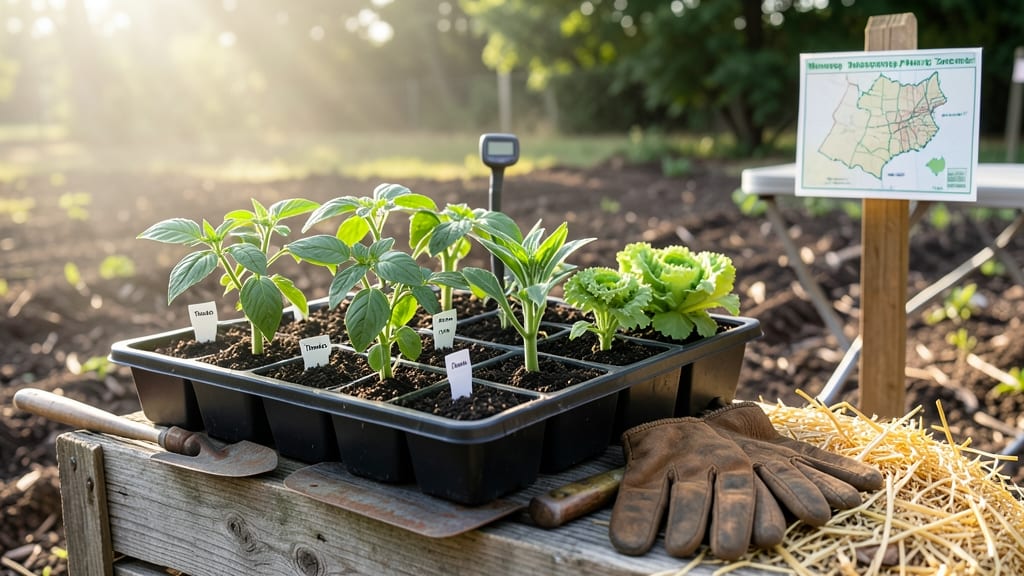
Planting a vegetable garden in Mississippi means working with a 240-day growing season and frost dates that shift from north to south—but getting the timing right is the difference between a bountiful harvest and a sad, wilted mess.
Mississippi’s long, humid summers and unpredictable frost patterns can turn gardening into a high-stakes game. One wrong move, and you’re either staring at seedlings fried by early heat or watching your tomatoes bolt before they set fruit.
The key? Knowing exactly when to plant each crop for your specific region—whether you’re in the cooler north or the balmier south.
In this guide, I’ll break down the optimal planting windows for Mississippi’s USDA Zones 8a-9a, including frost dates, heat-resistant crops, and month-by-month schedules.
You’ll learn which vegetables to start in late January and which to hold off until August, plus how to stretch your growing season in a state where summer never really takes a break.
By the end, you’ll have a clear, actionable plan to avoid common mistakes—like planting tomatoes too early or ignoring soil heat warnings—and walk away with a garden that thrives, not just survives. Let’s get those seeds in the ground at the right time!
Mississippi’s frost dates & optimal planting windows by season
Mississippi’s climate—spanning USDA Zones 7A-8B—creates a unique gardening challenge. The North (Zone 7A) faces later springs and earlier frosts, while the South (Zone 8A/8B) enjoys extended growing seasons.
Knowing your last frost date (typically February 15 in North MS and March 1 in South MS) is critical for timing cool-season crops like lettuce or kale. Warm-season crops, such as tomatoes or peppers, need soil temps above 60°F—usually 2-3 weeks after your last frost.
For Zone 7A gardeners, the window for planting cool-season crops like broccoli or peas is tight—start seeds indoors in January and transplant by early March. Meanwhile, Zone 8A/8B gardeners can push the envelope, planting spinach or radishes as late as mid-February without frost risk.
The key is understanding your microclimate: valleys frost earlier than hills, and urban areas may run 2-3°F warmer.
Here’s how Mississippi’s frost dates break down by region—and what it means for your planting schedule:
Spring planting in Mississippi starts with cool-season crops like broccoli, cabbage, and peas. For Zone 7A, begin sowing seeds indoors in January and transplant 4-6 weeks before your last frost.
In Zone 8A/8B, you can direct-sow spinach or radishes as early as mid-February. Use row covers to protect tender seedlings from unexpected 28°F frosts.
Warm-season crops—like tomatoes, peppers, and squash—require soil temps above 60°F. In North MS, wait until April 15 to plant; in South MS, you can start as early as March 1.
For a head start, sow seeds indoors 6-8 weeks before transplanting. Okra and sweet potatoes are exceptions—they thrive in heat and can be planted directly into the garden as soon as soil is workable.
Mississippi’s summer heat (often 90°F+) demands shade cloth for leafy greens like lettuce or kale to prevent bolting.
For fall planting, focus on cool-season crops again, starting seeds in July for an October–November harvest. Brassicas (like cabbage) handle light frosts, while carrots and beets can be sown until mid-September in Zone 8A/8B.
Extend your growing season with season extenders like cold frames or low tunnels. In Zone 7A, these can push your harvest window 4-6 weeks later into December. For Zone 8A/8B, consider winter greens like collard greens or turnips, which thrive in cooler temps.
Always monitor soil moisture—Mississippi’s humidity can lead to fungal diseases if plants aren’t given proper airflow.
Pro tip: Use frost-sensitive plants like basil or cucumbers as heat indicators. If they wilt in 85°F+ temps, it’s time to provide afternoon shade or mulch heavily. For Zone 7A
Best heat-resistant vegetables for Mississippi’s summer garden
Mississippi’s summer heat—often hitting 90°F+—can turn a garden into a wilted mess if you’re not strategic. But the right heat-resistant vegetables thrive under these conditions, rewarding you with bountiful harvests.
These summer crops not only survive but flourish in the humidity and sun, making them perfect for extending your growing season.
When selecting plants, focus on varieties bred for high temperatures and drought tolerance. Many traditional cool-season crops bolt or fade, but these heat-lovers keep producing. Pair them with smart companion planting to deter pests and maximize space, ensuring your garden stays productive all summer long.
- Okra – Plant after last frost (April-May); thrives in 95°F+ with dry soil. Companion: peppers, tomatoes.
- Sweet Potatoes – Start slips in May-June; loves hot, sandy soil. Companion: beans, corn.
- Black-Eyed Peas – Sow in March-April or August-September; tolerates heat and poor soil. Companion: okra, cucumbers.
- Collard Greens – Plant March-April or August; sweeter after light frost. Companion: onions, carrots.
- Southern Peas (Cowpeas) – Direct sow in May-June; fixes nitrogen in soil. Companion: squash, corn.
- Sweet Corn – Plant in blocks after May 15; pollinates better in heat. Companion: beans, potatoes.
- Eggplant – Transplant in May; mulch to retain moisture. Companion: basil, marigolds.
- Peppers (Hot & Sweet) – Start indoors in March; thrive in 85°F+. Companion: tomatoes, onions.
- Sorghum – Direct sow in May-June; drought-tolerant grain. Companion: sunflowers, beans.
- Watermelon – Plant after soil reaches 70°F (May); needs trellis for vines. Companion: radishes, lettuce.
To keep these heat-resistant plants thriving, prioritize mulching with straw or grass clippings to retain moisture and regulate soil temperature. Drip irrigation in the early morning minimizes water waste and prevents fungal diseases like powdery mildew that flourish in Mississippi’s humidity.
Avoid overwatering—most of these summer vegetables prefer dry conditions once established. For example, okra and sweet potatoes actually produce better with less frequent watering. Instead, focus on deep watering 2-3 times per week during peak heat to encourage strong root systems.
Companion planting is your secret weapon against pests like aphids and squash bugs. For instance, marigolds planted near tomatoes or peppers repel nematodes, while basil alongside eggplant deters flies. Rotate crops yearly to prevent soil depletion and disease buildup, which is especially critical in Mississippi’s clay-heavy soils.
Harvest regularly to encourage continuous production—black-eyed peas and southern peas keep yielding pods if picked every 2-3 days. And don’t forget to save seeds from your healthiest plants, like okra or collard greens, for next year’s garden.
With these heat-proof crops and smart strategies, your Mississippi summer garden will stay lush and productive from May through October.