
Planting
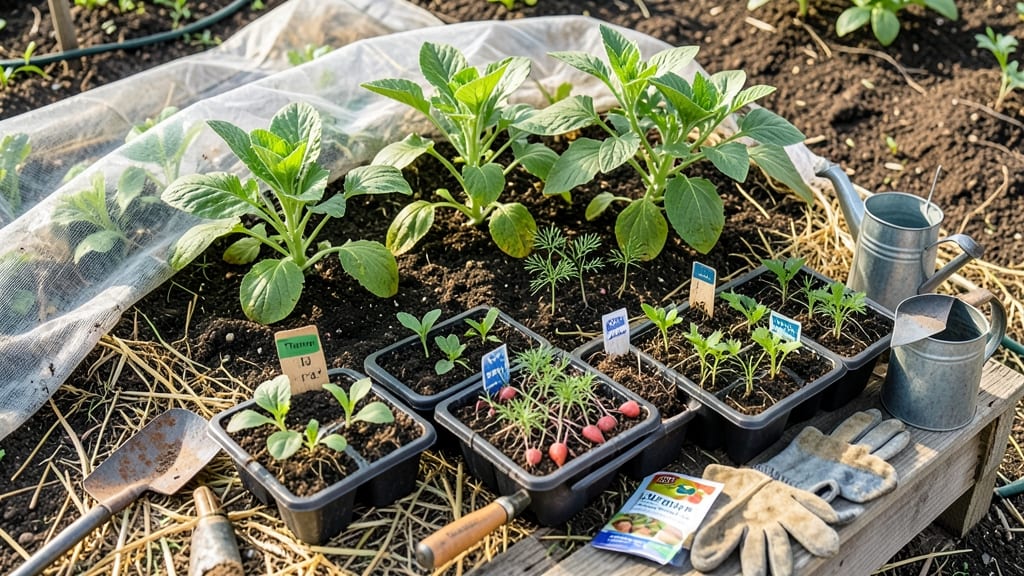
Planting a vegetable garden in Ontario at the right time means the difference between a bountiful harvest and wasted seeds 🌱 — aim for early spring for cool crops and late May for warm-season plants.
Ontario’s unpredictable spring frosts and short growing season can make or break your vegetable garden—planting at the wrong time means wasted seeds and missed harvests. Timing is everything, and knowing the exact windows for direct sowing and transplanting in USDA Zones 5B/6A will maximize your yields.
Cool-season vegetables like peas and spinach thrive when planted as soon as the soil is workable, often by late March or early April, while tomatoes and peppers need to wait until after the last frost date—usually mid-May in most regions.
Missing these windows can leave your garden struggling or even lost to late frosts.
Below, I’ll break down the exact planting schedule for Ontario’s most popular vegetables, including when to start seeds indoors, transplant outdoors, and adjust for early or late frosts to get the most out of your growing season.
Ontario planting timeline by vegetable type: frost dates and hardiness zones
Ontario gardeners face a unique challenge with its short growing season and unpredictable spring frosts. The last frost dates vary dramatically between USDA Zone 5B (May 15) and Zone 6A (May 1), meaning your planting schedule must adapt.
Cool-season crops thrive in early spring, while warm-season vegetables need to wait until soil temperatures rise consistently above 10°C (50°F). Getting these timings right ensures healthy seedlings and bountiful harvests.
To simplify, I’ve organized planting windows into three key phases: early spring (March-April), late spring (May-June), and summer (July-August). Each phase aligns with soil conditions and frost risks.
For example, spinach and peas can handle light frosts, while tomatoes and peppers need warm soil and air temperatures. Let’s break it down by vegetable type.
| Vegetable Type | Planting Window (Zone 5B/6A) | Soil Temp Requirement | Frost Tolerance | Key Notes |
|---|---|---|---|---|
| Cool-Season (Leafy Greens) | Early Spring (March 15–April 15) Fall (August 1–September 1) |
4–10°C (40–50°F) | High (survives light frost) | Direct sow or start indoors 4–6 weeks before last frost. |
| Root Vegetables | Early Spring (April 1–May 1) Late Summer (July 1–August 1) |
7–15°C (45–60°F) | Moderate (avoid frost) | Carrots, beets, and radishes prefer loose soil; sow seeds thinly. |
| Warm-Season (Fruiting) | Late Spring (May 15–June 15) After last frost |
15–25°C (60–77°F) | Low (damaged by frost) | Transplant seedlings or direct sow after soil warms; use row covers for early starts. |
| Legumes (Peas, Beans) | Early Spring (April 1–May 1) Late Spring (June 1–July 1) |
10–20°C (50–68°F) | Moderate (peas tolerate frost; beans need warmth) | Peas thrive in cool soil; beans require warm conditions for germination. |
| Herbs (Basil, Cilantro) | Late Spring (May 1–June 1) Fall (August 15–September 1) |
12–22°C (54–72°F) | Low (basils bolt in heat; cilantro prefers cool) | Basil needs warmth; cilantro bolts in summer heat—plant in partial shade. |
For cool-season vegetables like kale, spinach, and lettuce, I recommend starting seeds indoors in early March or direct-sowing as soon as the ground is workable (usually late March in Zone 6A, early April in Zone 5B).
These crops can handle light frosts and may even taste sweeter after a frost. Use row covers if late frosts threaten, but avoid plastic that traps heat and causes bolting.
When it comes to warm-season crops, patience is key. Tomatoes, peppers, and eggplants won’t germinate in cold soil, so wait until the soil temperature reaches at least 15°C (60°F). In Ontario, this typically aligns with late May to early June.
To speed up the process, I often use black plastic mulch or straw bales to warm the soil faster. Transplant seedlings after the last frost, but avoid disturbing roots—harden them off first by gradually exposing them to outdoor conditions.
Don’t overlook succession planting for crops
How to extend your Ontario growing season for earlier and later harvests
Ontario’s short growing season doesn’t have to limit your harvests. With the right strategies, you can push your planting windows to enjoy fresh vegetables weeks earlier in spring and weeks later in fall.
I’ve learned that combining season extenders with smart planting techniques can add 4-6 weeks to both ends of your growing season.
The key is understanding how to protect tender plants from late frosts while maximizing warmth during cooler months. Whether you’re a beginner or seasoned gardener, these methods will help you avoid common mistakes like planting too early when soil is still cold or choosing varieties that won’t mature before frost.
- 1. Use row covers for 2-4 week extensions—lightweight fabric protects seedlings from frost while allowing sunlight and water through.
- 2. Build cold frames to create microclimates—ideal for hardy greens like spinach and kale in early spring or late fall.
- 3. Practice succession planting by sowing fast crops like radishes every 2 weeks to keep harvests continuous.
- 4. Choose fast-maturing varieties—look for early-season hybrids labeled "early" or "fast" (e.g., 'Early Girl' tomatoes).
- 5. Test soil temperature—use a soil thermometer to ensure it’s at least 50°F (10°C) before planting warm-season crops.
One of my biggest mistakes was planting tomatoes too early in cold soil, which delayed their growth by weeks. Now, I always check soil temperature and use black plastic mulch to warm it faster.
For early spring, I start seeds indoors under grow lights 6-8 weeks before the last frost date.
Don’t overlook late-season strategies either. I’ve had great success with hoop houses or even simple cloches to extend fall harvests. These protect plants from light frosts while still allowing sunlight. For example, I’ve grown broccoli and Brussels sprouts well into November using these methods.
Remember, the goal isn’t just to extend the season—it’s to maximize your harvests without risking plant health. Always monitor weather forecasts and be ready to cover plants if frost is predicted. With these techniques, you’ll enjoy homegrown vegetables for months longer than the typical Ontario season allows.
Start small with one or two methods this year, and you’ll quickly see how much more food you can grow in your Ontario garden. Happy planting! 🌱