
Planting
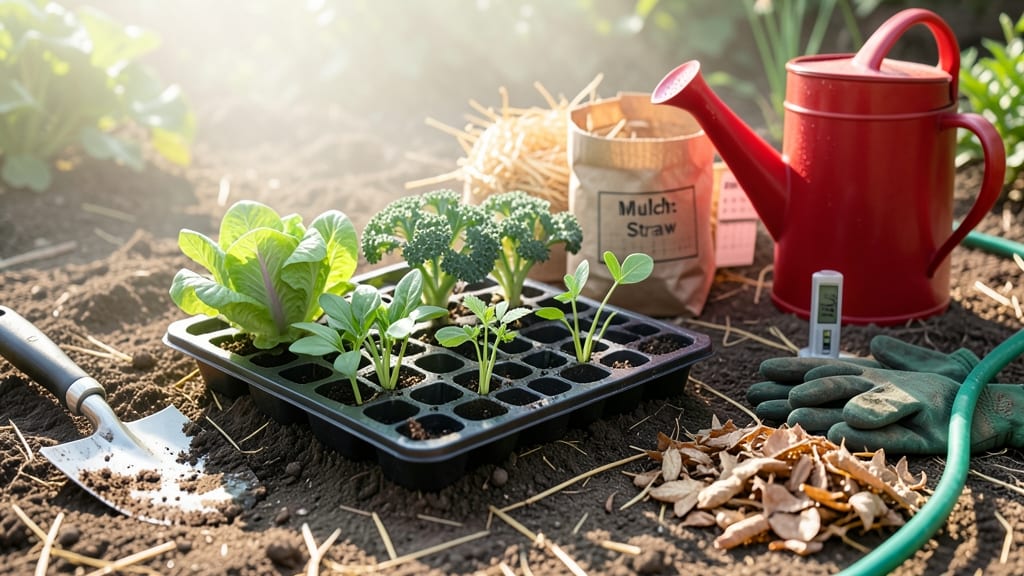
Planting a garden in Washington, DC, starts about two weeks after your last spring frost — typically mid-March for most of the city, with adjustments for microclimates like the cooler North Side or hotter urban pockets.
Washington, DC’s unique climate—where summer heat clashes with unpredictable spring freezes—can make or break your garden’s success. Planting at the wrong time risks stunted growth, pests, or even total crop failure, but timing it right unlocks a bountiful harvest.
Whether you’re growing tomatoes in suburban yards or herbs in urban balconies, knowing the exact frost-free timeline for USDA Zones 7b-8a is the key to avoiding common mistakes. I’ll break down the best months for cool-season crops, warm-season staples, and year-round plants.
You’ll also discover how to use row covers, soil thermometers, and succession planting to extend your growing season—even if you miss the ideal window. Let’s get your DC garden off to the right start!
Washington DC planting dates by season: exact weeks for vegetables, flowers, and herbs
Washington DC’s USDA Zones 7b-8a create a tricky balance between early spring frosts and summer heat waves. The average last frost date hovers around April 15th for most areas, but urban heat islands in neighborhoods like Capitol Hill or Navy Yard can push this back by 1-2 weeks.
Meanwhile, the first frost typically arrives November 15th, though microclimates near the Potomac River may delay it until late November.
To maximize your garden’s potential, I’ve broken down the exact planting windows for cool-season crops, warm-season staples, and year-round herbs.
These timelines account for soil temperature, daylight hours, and local weather patterns—so you can avoid the common pitfalls of bolting lettuce or blossom-end rot in tomatoes.
Here’s the summary table of planting dates by season, including weeks before/after last frost and urban adjustments for paved areas like Dupont Circle:
For cool-season crops like spinach and kale, I recommend starting seeds indoors 4-6 weeks before your last frost date (around March 15th). These hardy greens can handle light frosts down to 25°F, making them ideal for DC’s early spring or fall planting.
Use row covers if temperatures dip below 30°F to protect tender seedlings.
Warm-season favorites like tomatoes and peppers need consistent warmth, so wait until 2-3 weeks after the last frost (typically April 25th-May 10th).
In urban heat islands, soil warms more slowly due to concrete and pavement, so delay planting by 1 week if your garden is near asphalt or buildings. Test soil temperature with a soil thermometer—it should read 60°F+ before planting.
Basil is my go-to summer herb for DC gardens, but it bolts quickly in heat. Plant it 3 weeks after last frost (around May 10th) in full sun and harvest leaves regularly to encourage bushier growth. Cilantro, on the other hand, thrives in cool weather and should be sown 4-6 weeks before last frost (early March) or again in late summer for a fall harvest.
Flowers like marigolds and zinnias are heat-tolerant and can be planted 2 weeks after last frost (around April 20th). These pollinator-friendly plants will bloom all summer
How to adjust planting times for DC’s microclimates and unpredictable weather
DC’s microclimates create a gardening puzzle—some areas like Rock Creek Park stay cooler longer, while urban heat islands in neighborhoods like Navy Yard can bake soil weeks earlier.
These shifts mean last frost dates can vary by 2-3 weeks across the city, forcing you to adapt planting schedules on the fly.
I’ve learned the hard way that soil temperature matters just as much as air temperature. A 50°F soil might be perfect for peas in Zone 7b, but the same soil in Zone 8a (like parts of Southern Maryland) could be 60°F—too warm for cool-season crops.
Always check with a soil thermometer before planting.
⚠️ WARNING: DC’s Unpredictable Weather Pitfalls ⚠️
Late Spring Frosts (April-May)
Even after average last frost dates (March 20-April 15), unpredictable cold snaps can hit. Tomatoes and peppers planted too early will bolt or die. Use row covers or wait until soil reaches 60°F.
Summer Heat Waves (July-August)
Heat stress causes bolting in lettuce and blossom drop in tomatoes. Mulch heavily and plant shade-tolerant crops like bush beans or malabar spinach in partial shade.
Fall Planting Deadlines
Don’t assume fall crops have endless time. Kale and carrots need 60-70 days to mature before first frost (Nov 15-Dec 1). Start seeds indoors 8-10 weeks before your target harvest date.
To beat DC’s weather quirks, I rely on three season-extending tools: row covers (for frost protection), cold frames (to warm soil early), and black plastic mulch (to raise soil temps).
For example, a cold frame can let you plant spinach 2 weeks earlier in spring or extend green onion harvests into December.
For fall/winter planting, focus on cold-hardy crops like garlic (plant in October for summer harvest), kale (tolerates 20°F), and winter radishes (ready in 30 days). These thrive when daytime temps drop below 70°F, which happens reliably by mid-September in DC.
Pro tip: Use succession planting to stagger harvests. For instance, sow bush beans every 2 weeks from May to July to ensure a steady supply, even if one batch gets hit by heat stress.
This works especially well in containers or raised beds where you can control soil conditions better.
Remember, DC’s Zone 7b-8a flexibility means you can grow almost anything—but only if you adjust timing. Start with soil tests, monitor microclimate shifts, and don’t hesitate to protect vulnerable plants with temporary covers. With these tweaks, you’ll turn DC’s chaos into a year-round gardening advantage. 🌱