
Planting
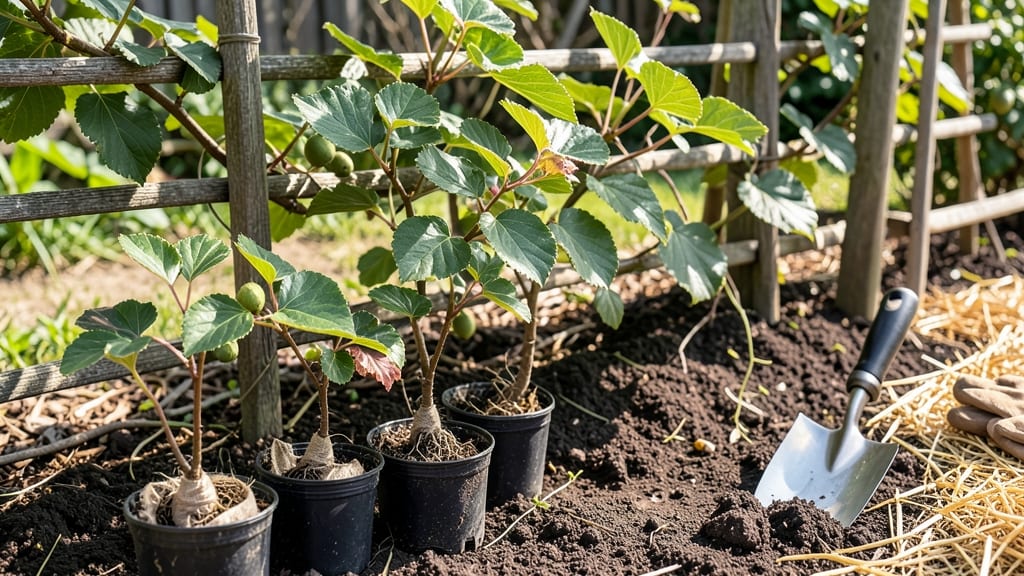
Planting a garden in North Dakota means timing your seeds and transplants to squeeze every frost-free day out of the 120-150 days you’ve got—because one late frost can turn a thriving plot into a sad memory.
You’ve got to play by Mother Nature’s rules here: mid-May is your magic window for cool-season crops like peas and lettuce, while warm-season veggies like tomatoes and peppers need to wait until the soil warms to at least 50°F—usually late May or early June.
Get it wrong, and you’re either staring at frozen seedlings or scrambling to replant.
This guide breaks down the exact months for USDA zones 3a-4b, the best crops for your region, and how to stretch your growing season with row covers and succession planting. No more guesswork—just a frost-free harvest.
Whether you’re a first-timer or a veteran gardener, you’ll learn when to plant, what to plant, and how to protect your 🌱 General Garden from North Dakota’s unpredictable weather. Let’s get started.
North Dakota planting zones: exact months by last frost date
North Dakota spans USDA hardiness zones 3a through 5a, meaning gardeners must work with a short growing season and unpredictable frosts.
The average last spring frost ranges from mid-May in northern regions to late May in southern areas, while the first fall frost typically arrives between mid-September and early October. These dates determine your planting windows for both cool-season crops and warm-season vegetables.
Understanding your specific planting zone is critical. For example, Bismarck (Zone 4a) has a slightly longer season than Minot (Zone 3b), while Dickinson (Zone 4b) enjoys one of the state’s warmest microclimates.
Even within these zones, microclimates near lakes or urban areas can extend your growing season by 7-10 days. Always check local Almanac frost records for the most accurate timing each year.
For cool-season crops like kale, peas, and spinach, you can start seeds indoors in March and transplant outdoors 2-3 weeks before your last frost date. In Zone 3b (Minot), this means early April, while Zone 4b (Dickinson) allows planting until mid-May.
These hardy crops can even tolerate light frosts and often produce better flavor when grown in cooler weather.
Warm-season crops like tomatoes, peppers, and cucumbers require soil temperatures above 50°F and frost-free conditions. In Bismarck, wait until June 1, while Fargo gardeners should hold off until May 25 to avoid late frosts.
Use black plastic mulch or row covers to warm the soil faster if needed. For fall planting, start warm-season crops indoors in July and transplant by early August to harvest before frost.
North Dakota’s short frost-free season (90-120 days) demands succession planting. After harvesting early crops like radishes or lettuce, replant with fast-maturing varieties like bush beans or zucchini.
This maximizes your harvest time and ensures you don’t waste garden space. Always keep a soil thermometer handy—50°F is the magic number for most vegetable seeds to germinate successfully.
If you’re planting perennials or shrubs, aim for late May to early June when the soil is workable and roots can establish before winter. Trees and berry bushes benefit from being planted in early spring (April) or fall (September) to give them time to acclimate.
Always water deeply after planting to reduce transplant shock, especially in Zone 3b where winters are harsher.
Pro tip: Use frost cloth or row covers to extend your season by 2-4 weeks in spring and fall. For example, you can plant cabbage or broccoli as early as mid-April in Bismarck with protection.
Remove covers during the day to let plants warm up and replace them at night. This simple trick can add hundreds of pounds of produce to your harvest before the first frost.
Remember, North Dakota’s weather is unpredictable.
Best crops to plant in North Dakota by season (with frost survival tips)
North Dakota’s short growing season demands smart crop selection—you’ll want cold-hardy varieties that thrive in USDA zones 3a-5a. The key is planting cool-season crops early and warm-season crops after the last frost (typically mid-May).
With the right choices, you can enjoy fresh produce from May through October, even with late frosts.
For spring planting, focus on frost-tolerant vegetables like peas, spinach, and kale, which can handle light frosts down to 20°F. In summer, prioritize heat-loving crops such as tomatoes, peppers, and beans—plant them after Memorial Day when soil temps reach 50°F.
Fall is perfect for hardy greens like Swiss chard and radishes, which can survive until first frost in September.
🌱 Top 5 Cold-Hardy Crops for North Dakota
- 1. Kale – Thrives in cool weather, harvest until first frost. Varieties like Winterbor tolerate -20°F.
- 2. Potatoes – Plant early spring (April) for harvest by July. Use Yukon Gold for reliability.
- 3. Peas – Direct-sow late April; varieties like Sugar Snap handle light frosts.
- 4. Spinach – Sow March-April or August for fall harvest. Bloomsdale is a top pick.
- 5. Carrots – Plant early spring or late summer for fall harvest. Nantes matures quickly.
🌿 Pro Tip: Use row covers to extend harvests by 2-4 weeks in spring/fall.
To extend your growing season, invest in low tunnels or cold frames for early spring starts. These can raise soil temps by 10-15°F, letting you plant 2-3 weeks earlier.
For late-season crops, try hoop houses to protect tomatoes and peppers until October. Even hardy herbs like thyme and oregano benefit from winter mulch to survive sub-zero temps.
Don’t overlook perennial flowers like coneflowers or black-eyed Susans, which return yearly and tolerate harsh winters. Plant them in late summer (August) for strong root establishment before frost. For annuals, choose fast-maturing varieties (e.g., bush beans in 50 days) to avoid late-season setbacks.
If late frosts threaten, have a backup plan: keep seedlings indoors under grow lights until safe to transplant. Monitor local frost forecasts and use frost cloths for sensitive plants. With these strategies, you’ll maximize your harvest despite North Dakota’s challenging climate.
🌱 Start with one cold-hardy crop this season—like kale or peas—to test your setup, then expand next year. The key is patience and planning; your garden will reward you with bold flavors and resilience.