
Trees
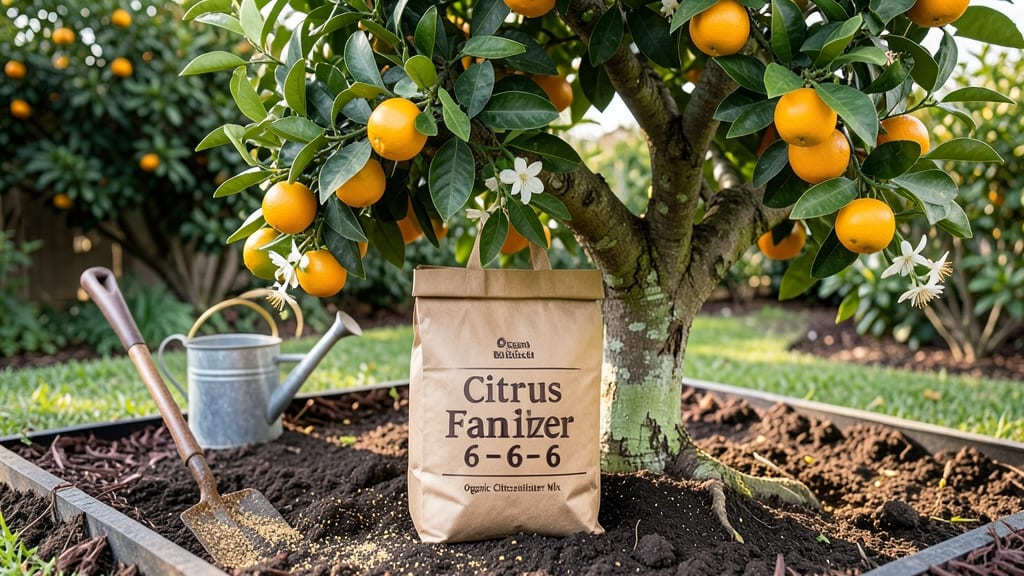
Fertilizing your 🍊 orange tree in California at the right time is the difference between a bounty of sweet fruit and a sparse harvest—or worse, stressed trees.
California’s orange groves thrive on precise timing—fertilizing at the wrong moment can reduce fruit yield or even harm your trees. Mastering the exact spring and fall schedule for citrus fertilization will ensure your orange trees produce sweeter, more abundant harvests year after year.
If you’ve ever wondered why your tree blooms but doesn’t bear fruit, or why the leaves turn yellow despite your best efforts, the answer likely lies in your fertilization timing. Coastal 9-10 zones and inland 9-11 zones have different needs, and skipping key feedings can leave your tree struggling.
Below, I break down the best months to fertilize, how to adjust for California’s dry summers and wet winters, and the top organic fertilizers that work best for your 🍊 orange tree’s unique needs.
Optimal fertilization timeline for orange trees in California’s climate zones
California’s diverse climate zones—from coastal USDA Zone 9 to inland Zone 11—create unique fertilization challenges for orange trees.
The key to maximizing fruit production lies in aligning nutrient delivery with your tree’s natural growth cycles. Fertilizing at the wrong time can lead to burned roots, reduced blooming, or even tree stress during drought.
My approach focuses on seasonal synchronization, adjusting NPK ratios to match each phase of your orange tree’s development.
Most California growers make the mistake of fertilizing uniformly year-round, but orange trees actually need two primary feeding windows: early spring for bloom development and late fall for root strengthening.
The coastal regions benefit from slightly earlier timing due to milder winters, while inland areas should delay spring feeding until after the last frost risk passes. Understanding these microclimate differences is crucial for avoiding nutrient waste and environmental runoff.
| Climate Zone | Spring Feeding Window | NPK Ratio | Key Focus | Fall Feeding Window | Drought Note |
|---|---|---|---|---|---|
| Coastal (Zone 9-10) | Late February - Early March | 8-3-9 | Bloom stimulation | Mid-October | Use slow-release |
| Inland Valleys (Zone 10-11) | Early April | 6-6-6 | Root growth | Late November | Avoid winter watering |
| Desert Regions (Zone 11) | Mid-March | 4-6-8 | Heat tolerance | Early October | Water deeply first |
For young orange trees (under 3 years), I recommend starting with a light feeding in January using a low-nitrogen fertilizer (4-4-4 ratio) to encourage root establishment.
This initial feeding helps prevent root burn while still providing essential nutrients. Mature trees should receive their first major feeding in February-March with a higher potassium content (8-3-9 ratio) to support flowering and fruit set.
The post-harvest period (typically June-July) is often overlooked, but this is when your tree needs replenishment after fruit production.
I apply a balanced fertilizer (6-6-6) during this time to restore nutrients depleted during the growing season. Organic options like composted manure or citrus-specific blends work exceptionally well here, as they provide slow-release nutrition that matches the tree’s natural uptake patterns.
California’s drought conditions require special attention to water-soluble fertilizers during dry spells. Always water trees deeply 24 hours before and after applying fertilizer to prevent root burn. In coastal areas, where humidity is higher, you can fertilize up to two weeks earlier than inland schedules.
The key is monitoring your tree’s leaf color—yellowing leaves indicate nitrogen deficiency, while brown tips suggest over-fertilization.
Fall fertilization should focus on root development rather than top growth. I use a low-nitrogen, high-phosphorus blend (3-6-6) in October-November to strengthen roots for winter.
This timing also helps prevent frost damage by ensuring the tree enters dormancy with adequate reserves. Never fertilize after mid-November, as new growth will be vulnerable to cold snaps.
One common mistake I see is over-fertilizing in summer. Orange trees go semi-dormant during June-August due to California’s heat, and feeding during this period can lead to salt buildup in the soil. Instead, focus on mulching and deep watering to maintain root health.
The only exception is if your tree shows signs of nutrient deficiency during summer, in which case a foliar spray with micronutrients can be beneficial.
To create your custom fertilization calendar, start by testing your soil’s pH (ideal range: 6.0-7.0 for citrus). Adjust your NPK ratios based on test results—acidic soils may need more lime applications before fertilizing.
For container-grown orange trees, reduce fertilizer amounts by 30-50% since they have limited root zones. Always follow label instructions and consider using a fertilizer injector for precise application rates.
Remember that organic matter like compost or well-rotted manure should be worked into the soil annually in early spring. This practice improves soil structure and microbiome activity, which enhances nutrient availability. By following this <
Signs your orange tree needs fertilizer (and when to adjust timing)
Your orange tree may be silently screaming for nutrients even when it looks healthy. Yellow leaves between the veins, stunted new growth, or small, misshapen fruit are classic red flags.
These signs often appear when your tree’s soil nutrients are depleted—especially in California’s fast-draining soils where nutrients wash away quickly. The key is catching these issues early before they stress your tree’s fruit production.
California’s microclimates add another layer of complexity. Coastal areas with higher humidity may need more frequent feeding, while inland regions with hotter summers often benefit from adjusted timing.
For example, a Valencia orange tree in San Diego might need a mid-summer feed, while one in Central Valley could suffer from over-fertilizing during drought. Understanding these regional differences helps you fine-tune your fertilization calendar.
California’s summer heat (June-August) can burn roots if you fertilize too late in the season. Nitrogen-heavy feeds applied after June 1st may encourage leafy growth at the expense of fruit development and stress your tree during water shortages. If you spot brown leaf tips or crusty soil around the base, flush the soil with water and delay feeding until October.
One of the most common mistakes is ignoring phosphorus deficiencies, which often show as dark purple or red leaves or poor root development. Phosphorus is critical for flowering and fruit set, especially in California’s citrus-growing regions.
If your tree blooms heavily but drops most flowers, a phosphorus-rich fertilizer (like bone meal) applied in late winter can help. Test your soil first—many California soils are naturally low in phosphorus due to high rainfall leaching.
For organic vs. synthetic tradeoffs, consider your tree’s age and soil type. Synthetic fertilizers provide immediate nitrogen for quick leaf growth, ideal for young trees (under 3 years). Organic options like composted manure or citrus-specific blends release nutrients slowly, which is better for mature trees in sandy soils (common in coastal areas).
My go-to organic mix includes alfalfa meal for nitrogen and kelp meal for micronutrients—both work well in California’s USDA Zones 9-11.
Adjusting your fertilization timing mid-season is easier than you think. If you notice yellowing leaves in spring, switch to a balanced 6-6-6 fertilizer and apply it in early March instead of waiting for April.
For fall adjustments, a light feed of fish emulsion in October can boost winter fruit set without overwhelming the tree. Always water deeply after feeding to move nutrients into the root zone—critical in California’s drought-prone summers.
Don’t forget to monitor your tree’s fruit production as a final check. If your oranges are small or sour-tasting, it’s often a sign of potassium deficiency. A potassium sulfate application in late summer can improve flavor and size.
Pair this with regular pruning to ensure sunlight reaches all branches—even the healthiest fertilizer won’t help if your tree’s canopy is too dense.