
How To
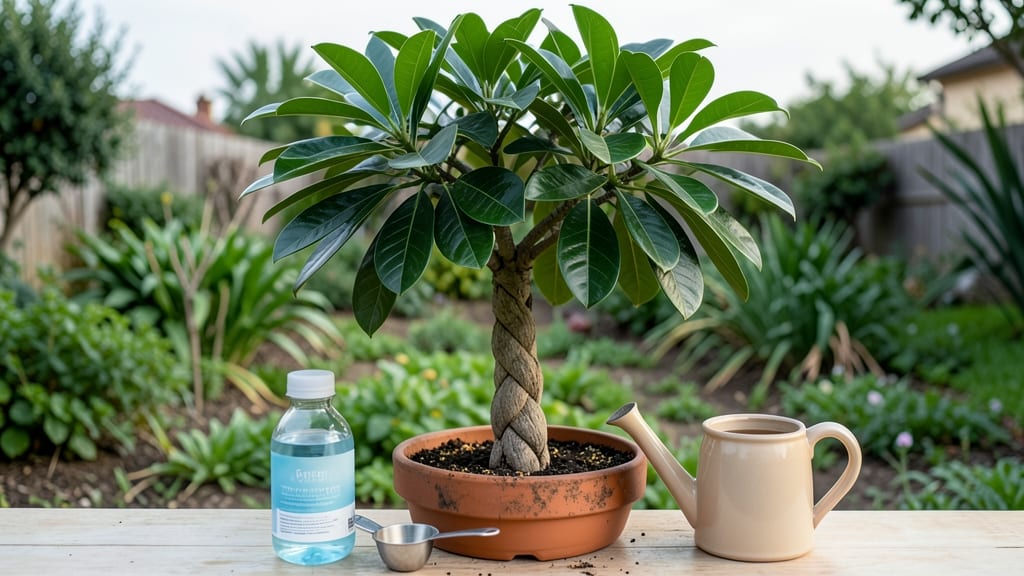
Fertilizing your money tree 🌿 at the right time—spring and early fall—is the secret to keeping its leaves glossy and growth steady.
Skip the timing, and you might end up with brown tips or stunted branches. I’ve seen money trees recover from overwatering, but a missed feeding schedule? That’s a slow decline. The key is aligning fertilizer with its natural growth cycles, not just throwing food at it whenever you remember.
Indoor money trees (like most of us grow them) need a lighter touch than outdoor tropicals. Think of it as a two-season schedule: feed in spring to kickstart growth, then taper off in fall as the plant winds down.
Organic options like diluted fish emulsion or a slow-release pellet work best for this sensitive tropical.
Below, I’ll break down the exact months to fertilize, how to spot over- or under-feeding, and the one mistake even experienced growers make with their money trees. No guesswork—just lush, happy plants.
Best times to fertilize money tree: spring & fall schedule explained
Your money tree (Pachira aquatica) follows a natural growth cycle that directly impacts when you should fertilize. Unlike outdoor plants tied to seasonal frost, indoor money trees respond best to spring and fall fertilization—aligning with their active and transitional growth phases.
Skipping this schedule can lead to yellowing leaves or stunted growth, while overdoing it causes root burn.
Timing matters because money trees grow most actively in spring and summer, when they need nutrients to support new leaves and branches. In fall and winter, their growth slows naturally, making fertilization unnecessary. Understanding this rhythm ensures your plant stays healthy without stress.
For indoor money trees, I recommend starting your spring fertilization in early March when you notice new leaf growth. Use a balanced liquid fertilizer (like 10-10-10) diluted to half-strength to avoid shocking the roots.
Outdoor money trees in USDA Zones 10-12 can handle slightly more frequent feeding, but even then, follow the same seasonal pattern.
Organic options like fish emulsion or worm castings work well for money trees, especially if you prefer natural inputs. These break down slowly, providing steady nutrients without the risk of salt buildup that synthetic fertilizers can cause. Always water thoroughly after applying organic fertilizers to help distribute nutrients evenly.
One common mistake is fertilizing during winter dormancy. Your money tree stores energy in its trunk and roots during these months, so feeding it can stress the plant.
Instead, focus on light adjustment and humidity control to support its natural rest period. You’ll see the difference in vibrant new growth when spring arrives.
If your money tree is in a small pot, it may need more frequent but lighter feedings. Container plants have limited soil volume, so nutrients deplete faster. In this case, switch to every 3-4 weeks in spring and summer, but still reduce in fall.
Always check the soil moisture before fertilizing—dry soil is a red flag that your plant isn’t ready for nutrients.
Outdoor money trees in warm climates can benefit from a light fall feeding in September to prepare for cooler months. Use a low-nitrogen fertilizer (like 5-5-5) to encourage root strengthening without promoting excessive top growth. This small boost helps the plant transition smoothly into its dormant phase.
Pro tip: Keep a fertilization log to track when you feed your money tree and how it responds. Note any changes in leaf color, growth rate, or root health.
Over time, you’ll learn your specific plant’s preferences—some money trees thrive on a monthly schedule, while others prefer bi-monthly feedings.
Remember, the key to fertilizing a money tree is consistency and moderation. Whether you choose organic or synthetic fertilizers, always follow the seasonal growth cycle and adjust for indoor conditions. With the right timing, your money tree will reward you with lush, vibrant foliage year after year. 🌿
Signs your money tree needs fertilizer (and when to skip it)
Your money tree (Pachira aquatica) sends clear signals when it craves nutrients. Yellowing leaves or stunted growth are classic red flags, but subtle clues like slow root development or pale foliage also mean it's time to feed.
Understanding these visual cues helps you avoid over-fertilizing, which can burn roots and damage leaves. Pay attention to your plant's seasonal rhythms—spring and fall are prime feeding windows, while winter dormancy means skipping fertilizer entirely.
First, check your money tree's leaf color. Healthy leaves should be deep green, but yellowing edges or pale new growth often indicate nutrient deficiency. If you spot brown leaf tips, this could signal over-fertilization or underwatering.
Root health is another key indicator: gently remove your plant from its pot to inspect for thin, sparse roots (under-fertilized) or dark, mushy roots (over-fertilized). These signs help you adjust your care routine before damage becomes permanent.
⚠️ callout warning
⚠️ When to Skip Fertilizing Your Money Tree
Never fertilize during winter months (November–February)—this is your plant's dormancy period. Skip feeding if your money tree shows stress signs like wilting, leaf drop, or root rot. Also avoid fertilizing after re-potting (wait 4–6 weeks) or if leaves are yellowing from overwatering. Always flush soil with water after feeding to prevent salt buildup.
Your money tree's growth rate is another critical clue. If new leaves appear smaller than usual or growth slows dramatically, it's likely starving for nutrients. Conversely, rapid, leggy growth with weak stems may mean you're overdoing it.
Compare your plant's progress to seasonal norms: spring and summer are active growth phases, while fall signals a natural slowdown. Adjust your fertilizer schedule accordingly—feed every 6–8 weeks in spring/summer, but reduce to once in fall and skip winter entirely.
Root health deserves special attention. If you notice roots circling the pot or growing outward through drainage holes, your money tree is desperate for nutrients. However, if roots smell sour or look mushy, over-fertilization is likely the culprit.
In this case, flush the soil with water to remove excess salts, then hold off on feeding for at least 2 months. Healthy roots should be white or light tan and firm to the touch.
Don't ignore leaf texture changes—crispy or leathery leaves often signal fertilizer stress. If your money tree's leaves feel thicker than usual, it may be struggling to process excess nutrients. On the other hand, soft, droopy leaves could mean root damage from over-fertilization.
Always pair fertilization with proper watering habits: water thoroughly after feeding to help nutrients absorb evenly, but avoid soggy soil, which worsens fertilizer burn.
Timing matters just as much as what you feed. For indoor money trees, stick to a spring and fall schedule: start feeding in March or April as growth resumes, then again in September before dormancy.
Outdoor plants may need an extra feeding in early summer, but always choose a balanced fertilizer (10-10-10) to avoid nutrient imbalances. Pro tip: dilute liquid fertilizers to half-strength for sensitive money trees, especially in hot summer months when roots are more vulnerable.