
Lawn
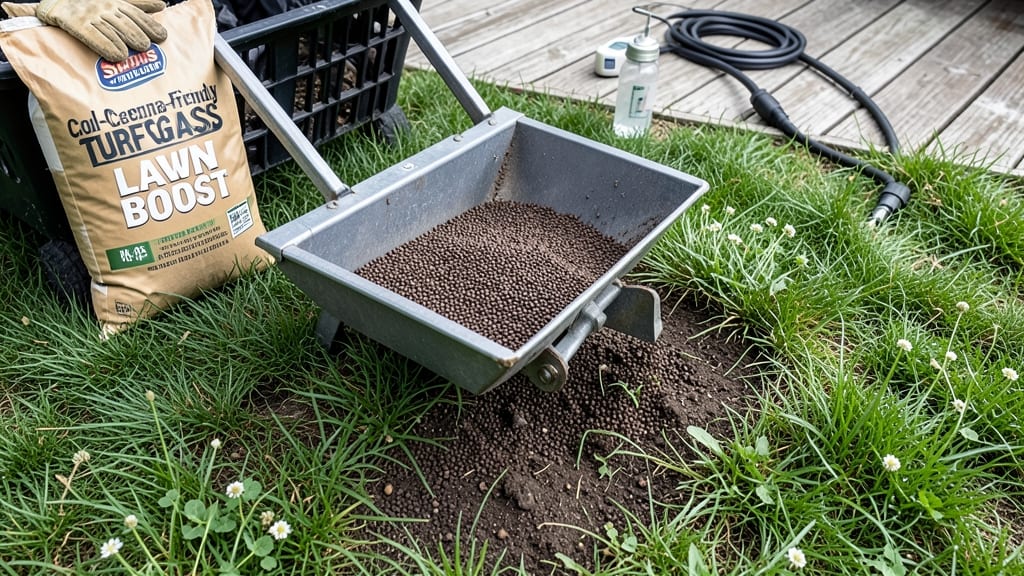
Fertilizing your Nebraska lawn at the right times—early spring and late summer—is the secret to a thick, green carpet that survives the state’s swings from drought to deep freezes.
Skip the timing, and you’ll either waste money on fertilizer that washes away before the grass can use it or end up with a lawn that looks more like a desert than a golf course.
Nebraska’s 5a-6b climate means the window for feeding is narrow, but getting it right means fewer weeds, deeper roots, and a lawn that stays lush even when neighbors are cursing their brown patches.
Most homeowners in Nebraska focus on spring, but the real game-changer is that fall feeding—when the grass is still growing but the heat has backed off.
I’ll walk you through the exact months to apply, how to adjust for Omaha’s humidity versus the Panhandle’s dry winds, and the one fertilizer type that actually works in Nebraska’s alkaline soil.
Ready to stop guessing? You’ll leave here with a 6-week fertilization schedule, soil-testing tips to avoid overdoing it, and even a trick to stretch your fertilizer dollar when Nebraska’s weather throws a curveball.
Best Nebraska fertilization timeline: spring vs fall for cool-season grasses
Nebraska’s cool-season grasses like Kentucky bluegrass and tall fescue thrive when fertilized at the right times—too early or late, and you’ll stress your lawn. The key is aligning feedings with growth spurts and weather patterns unique to Nebraska’s USDA zones 5a-6b.
Spring and fall are your prime windows, but timing varies by microclimate—Omaha’s humidity demands different care than western Nebraska’s dry winds.
Most homeowners make the mistake of fertilizing too late in spring or too early in fall, which wastes nutrients or even invites fungal diseases. My rule? Feed when grass is actively growing—not when it’s dormant or heat-stressed.
For Nebraska’s alkaline soils, a soil test before fertilizing can save you from overdoing it with nitrogen or phosphorus.
Pre-emergent herbicides to block crabgrass must also fit this timeline—apply them after your first spring feeding but before crabgrass seeds germinate (usually late April to early May). Miss this window, and you’ll battle weeds all summer.
🌱
Your first spring feeding should happen when grass turns green and grows 1 inch in 7-10 days—usually mid-April in eastern Nebraska but late April in western regions. Use a high-nitrogen fertilizer (24-0-5) to jumpstart growth, but avoid applying it if frost is forecasted within 48 hours.
In late May, apply a second feeding to support rapid growth before summer heat sets in. This is also when you should mow high (3-4 inches) to shade soil and retain moisture—a must in Nebraska’s drought-prone summers.
Skip heavy fertilizers in June and July; instead, use light applications or organic options like compost to avoid burning grass.
Fall fertilization is critical for winter hardiness. Aim for a high-potassium feeding in early September to strengthen roots before first frost. In USDA zone 5a (western Nebraska), this might extend to mid-September. Avoid fertilizing after October 15th, as new growth won’t harden off before winter.
For crabgrass prevention, apply pre-emergent herbicides 2 weeks after your first spring feeding. In Nebraska, this typically means early to mid-April, but check your product’s label for exact timing.
Reapply in late June if your lawn is prone to weeds—just don’t fertilize the same day to avoid chemical burn.
Pro tip: If your lawn has thin patches, overseed in early fall (September) when soil temps are 60-70°F. This gives new grass time to establish before winter. In sandy soils (common in western Nebraska), reduce fertilizer rates by 25% to prevent leaching.
🌿
How to adjust fertilizer application for Nebraska’s weather zones
Nebraska’s weather isn’t one-size-fits-all—what works for your humid eastern lawn in Omaha might burn up your dry western pasture near Scottsbluff. The key difference? Moisture retention and wind exposure dictate how often (and what type of) fertilizer your grass can handle.
In the east, you’ll need slow-release fertilizers to prevent runoff from heavy rains, while western lawns thrive on drought-resistant formulations that lock in moisture.
Start by testing your soil—Nebraska’s alkaline soils (pH 7.5+) often need sulfur-based fertilizers to balance nutrients. If your lawn feels spongy after watering, you’re likely in the eastern zone where organic matter breaks down faster.
In the west, hardpan soil means nutrients sit too deep, so use pelletized fertilizers that work their way down.
Here’s how to adjust your feeding schedule based on Nebraska’s two distinct climates:
Eastern Nebraska (Humid)
- More frequent feeding (every 6 weeks)
- Better weed suppression from consistent moisture
- Organic options work well (compost, manure)
- Higher runoff risk—use slow-release
- Fungal threats from humidity—fertilize early morning
- More expensive fertilizer needed for frequent use
Western Nebraska (Dry)
- Less water waste—fertilizers last longer
- Drought-resistant grasses (buffalo grass) need less nitrogen
- Cheaper long-term—fewer applications
- Hardpan soil blocks nutrient absorption
- Wind scatter—use granular, not liquid
- Slower greening in spring due to dry starts
For eastern Nebraska, split your spring feeding into two doses: one in late April (when grass greens up) and another in early June to prevent summer burnout.
Use a 24-0-5 NPK ratio with iron supplements—the humidity leaches nutrients fast. Fall feeding should happen in September, not October, to give roots time to strengthen before winter.
In western Nebraska, stretch your spring fertilizer into three light applications (May, June, July) using a high-potassium formula (like 10-10-20) to boost drought tolerance.
Skip fall fertilization entirely unless you’re overseeding—western lawns go dormant early, and extra nitrogen just attracts weeds. Irrigation hack: Water deeply 2-3 times per week (not daily) to encourage deep root growth that survives Nebraska’s 100°F summers.
Watch for these red flags that your lawn needs adjusted feeding: yellow patches in eastern zones signal iron deficiency from overwatering, while crunchy brown edges in the west mean root rot from poor drainage.
If your lawn feels sponge-like when walked on, it’s thatch buildup—dethatch before fertilizing to let nutrients reach the roots. Pro tip: Use a soil probe to check moisture levels—if it’s dry at 4 inches deep, your western lawn needs more frequent (but deeper) watering before fertilizing.
Adjusting for Nebraska’s zones isn’t about changing the what—it’s about the when and how much. Eastern lawns get smaller, more frequent doses; western lawns need bigger, spaced-out feedings.
And remember: never fertilize if rain’s forecasted—whether you’re in Omaha or Scottsbluff, nutrient runoff is the fastest way to kill your lawn’s long-term health. 🌱