
Lawn
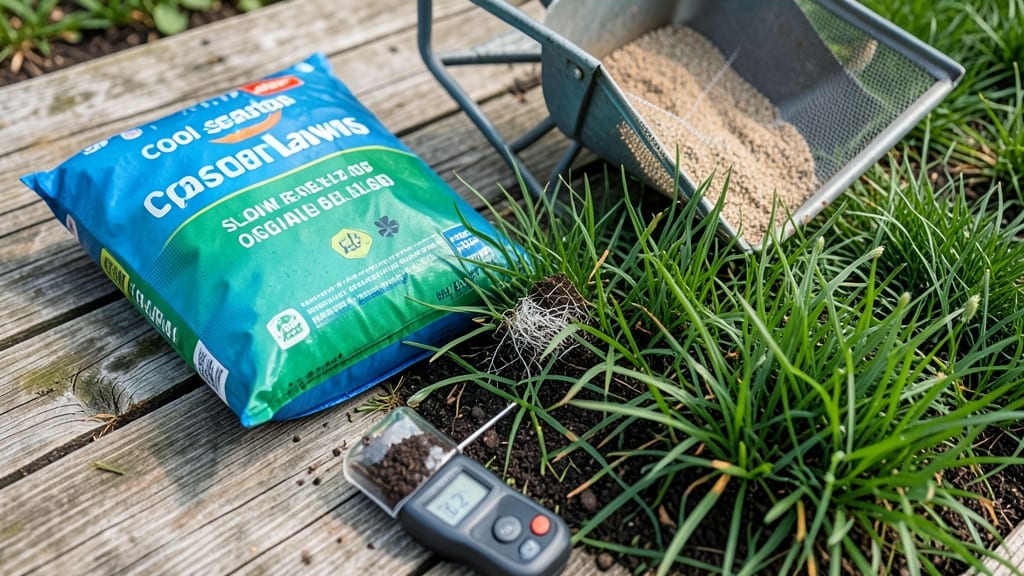
Fertilizing your lawn in Ohio at the right time is the key to avoiding patchy, weak grass that struggles through the seasons.
Ohio’s unpredictable weather can turn your lawn from lush green to patchy brown faster than you think—unless you fertilize at the perfect times. Timing is everything, and missing these critical windows means wasted money and missed growth opportunities.
Most gardeners focus on spring, but fall is actually the most important time to feed your lawn. A well-timed fertilizer in early spring jumpstarts growth, while late summer and fall applications strengthen roots before winter dormancy.
In this guide, I’ll break down the exact months to fertilize in Ohio’s 6a/6b zones, how to read your grass’s hunger signals, and which fertilizer types work best for your climate.
Ohio lawn fertilization schedule: best times for spring & fall feeding
Ohio’s cool-season grasses (like Kentucky bluegrass and tall fescue) thrive with precise fertilization timing, while warm-season varieties (such as Bermuda grass) have different needs. The key is feeding when your grass is actively growing—not during dormancy or extreme heat.
In Ohio, spring and fall are your powerhouse seasons, but early spring vs. late spring timing makes all the difference in avoiding waste and promoting healthy growth.
Most gardeners overlook the critical window between late August and early October—this is when your lawn stores nutrients for winter survival. Skipping this step often leads to weak roots and winter kill.
Meanwhile, early spring feeding (post-dormancy) jumpstarts recovery from frost damage, while late spring applications risk burning grass in summer’s heat. Let’s break down the month-by-month schedule tailored to Ohio’s USDA Zones 6a and 6b.
📋 summary-table
| Season | Best Months | Grass Type | Fertilizer Type | Key Notes |
|---|---|---|---|---|
| Early Spring | March–April | Cool-season | High-nitrogen (24-0-5) | Post-dormancy; wait until soil temps reach 55°F. |
| Late Spring | May | Cool-season | Balanced (16-4-8) | Light feed; avoid summer heat stress. |
| Summer | June–July | Warm-season | Slow-release (organic) | Minimal feeding; focus on watering. |
| Early Fall | August–September | Cool-season | High-phosphorus (10-20-10) | Most critical; strengthens roots for winter. |
| Late Fall | October–November | All types | Winterizer (low-nitrogen) | Apply before first frost; avoid high nitrogen. |
For cool-season grasses like Kentucky bluegrass or tall fescue, the first fertilization should happen in early spring (March–April), right after the last frost. This kickstarts growth after winter dormancy. Use a high-nitrogen fertilizer (24-0-5) to encourage leafy, green blades.
In late spring (May), switch to a balanced formula (16-4-8) to support root development without overstimulating top growth as temperatures rise.
If you have warm-season grasses like Bermuda or Zoysia, your schedule shifts slightly. These grasses dormant in winter and need feeding in late spring to early summer (May–June). However, most Ohio lawns are a mix, so focus on the cool-season majority and adjust for warm-season patches.
The key is avoiding summer fertilization—high heat can burn grass and waste nutrients.
Fall is where Ohio lawns really shine. The most critical feeding window is late August through early September. This timing ensures your grass has 6–8 weeks to absorb nutrients before winter.
Use a high-phosphorus fertilizer (10-20-10) to boost root growth, which helps lawns recover faster in spring. Never fertilize after October—this can stimulate tender new growth that won’t survive frost.
Ohio’s microclimates add another layer. Northern Ohio (Zone 6a) has earlier frosts, so shift feeding to late August for fall prep. Southern Ohio (Zone 6b) can extend feeding to early October.
Always check soil temperature: 55°F for spring and 60°F for fall are ideal. Use a soil thermometer to avoid guessing.
Pro tip: Water deeply after fertilizing (1 inch of water) to help nutrients penetrate the soil. Early morning application is best—it reduces fungal risk from evening dew. For organic options, consider compost tea or fish emulsion in spring and bone meal for
5 Signs your Ohio lawn needs fertilizer (and when to act)
Ohio’s cool-season grasses like Kentucky Bluegrass and Tall Fescue thrive when properly fed, but nutrient deficiencies often sneak up when you least expect them. If your lawn looks stressed after winter or struggles to bounce back from summer heat, it’s likely crying out for fertilizer.
The key is recognizing these 5 warning signs and acting at the right time—whether that’s early spring for recovery or late fall for winter prep.
Don’t wait until your lawn turns brown and patchy—catch these signs early to save time, money, and your sanity. Ohio’s variable climate means grass needs extra care, and fertilizing at the wrong time can burn roots or waste nutrients.
Let’s break down what to watch for and when to apply fertilizer for maximum impact.
🌱 When to Fertilize Your Ohio Lawn
- 📅 Early Spring (March-April): First feeding after winter dormancy to kickstart growth. Act now if grass is pale or slow to green up.
- 🌿 Late Spring (May-June): Second feeding for thick, dense growth. Skip if grass is already lush—over-fertilizing causes burn in heat.
- ☀️ Summer (July-August): Light feeding only if grass recovers slowly after mowing. Avoid heavy doses—heat stress is real!
- 🍂 Early Fall (September-October): Most critical time! Grass stores nutrients for winter. Feed if patches thin or color fades.
- ❄️ Winter (November-February): No feeding. Grass is dormant—fertilizer just washes away or harms roots.
Your lawn’s color is the first clue. If it turns yellowish-green or pale, it’s starving for nitrogen, the growth fuel. This is especially common in early spring after winter weakens roots.
Grab a soil test kit (available at garden centers) to confirm deficiencies—Ohio’s clay-heavy soils often lack key nutrients like phosphorus and potassium too.
Another red flag? Slow recovery after mowing. Healthy grass should bounce back in 7–10 days. If brown spots linger or new growth is sparse, your lawn’s root system is weak—likely from under-fertilization or poor soil health.
In this case, late summer feeding (August) can rebuild strength before winter. Think of it as a root vitamin shot.
Watch for thin patches or bare spots, too. These often signal compacted soil or fungal issues, but fertilizing with a balanced NPK ratio (e.g., 16-4-8) can help grass fill in gaps.
Time it right: Apply in early fall (September) to give roots time to strengthen before frost. Pro tip: Aerate first to let nutrients reach deep.
If your lawn feels spongy underfoot or weeds like crabgrass take over, it’s a sign of poor soil structure and nutrient imbalance. Weeds thrive where grass struggles—so feed in late spring (May) to outcompete them.
Pair fertilizer with pre-emergent herbicide for best results, but avoid fertilizing if rain is forecasted (it washes away).
Remember: Ohio’s microclimates matter. Northern areas (like Toledo) may need an extra feeding in late summer due to cooler temps, while southern regions (like Columbus) can push fall feeding into early October.
Always check the 7-day forecast—fertilize when dry weather is expected. Your lawn will thank you with vibrant green all season long! 🌿