
Light Requirements
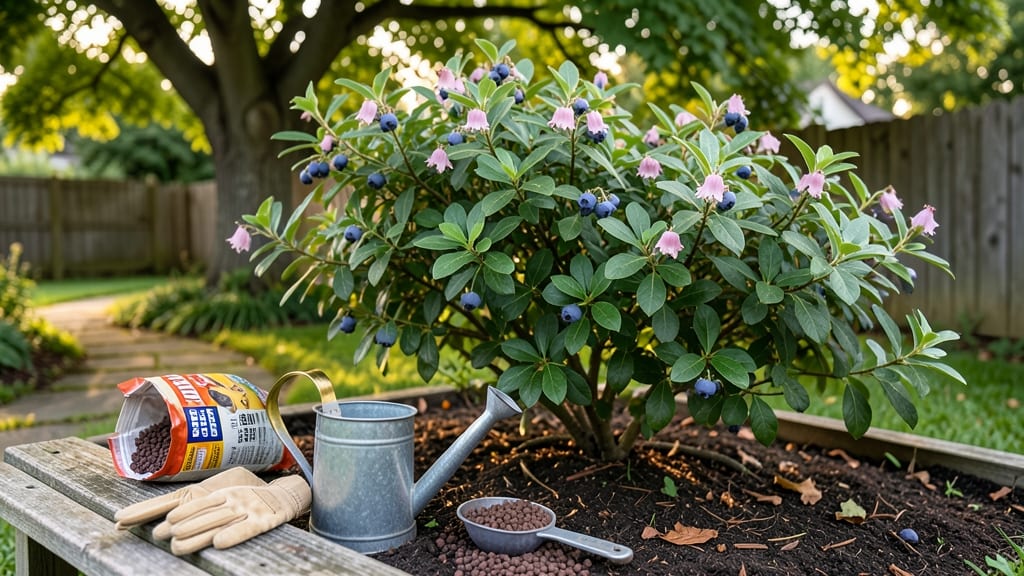
Should you fertilize blueberry bushes in spring or fall—or risk losing next year’s harvest?
Blueberry bushes thrive with the right care, and fertilization timing can make the difference between a modest harvest and a bountiful crop. But when exactly should you feed them—and what happens if you get it wrong?
In USDA Zone 6, the best time to fertilize is early spring—just as buds begin to swell—followed by a light feeding in late summer. Skipping fall fertilization is key, as the plant prepares for dormancy, and overdoing it can lead to weak growth or even winter damage.
Below, I’ll walk you through the exact schedule, the right fertilizer types, and how to spot when your 🫐 bushes are truly hungry—so you can avoid common mistakes and enjoy a full harvest for years to come.
Optimal fertilization schedule for blueberry bushes by season
Fertilizing your blueberry bushes at the right time ensures strong root growth, vibrant blooms, and a bountiful harvest. Unlike many plants, blueberries thrive with a seasonal fertilization approach—timing is everything.
Over-fertilizing can burn roots, while under-fertilizing starves your bushes of essential nutrients. Let’s break down the best months to feed and what to avoid.
Blueberries are acid-loving plants, so their fertilization schedule revolves around maintaining soil pH levels (4.5–5.5) and aligning with their natural growth cycles. In northern climates (USDA Zones 3–6), focus on early spring and late summer feeding.
In southern climates (Zones 7–9), extend feeding into early fall due to longer growing seasons. Let’s dive into the details.
Your spring fertilization should kick off as soon as buds begin to swell, typically in late April. This is when your blueberries need a nitrogen boost to fuel leaf and stem growth.
Use a balanced fertilizer like ammonium sulfate or a 10-10-10 mix. For organic options, cottonseed meal is ideal—it releases nitrogen slowly and improves soil structure over time.
In northern climates, aim to fertilize again in late May or early June, just as flowers fade and berries start forming. This second feeding should focus on potassium and phosphorus to support fruit development.
Southern gardeners can extend this to July, but avoid heavy feeding—too much nitrogen late in the season can lead to excessive foliage at the expense of fruit.
One of the most common mistakes is fertilizing in fall or winter. Blueberries are dormant during these months, and any fertilizer applied will not be absorbed—it can even burn roots or leach into groundwater.
Instead, focus on mulching with pine needles or oak leaves to maintain soil acidity and retain moisture for next year’s growth.
Soil pH testing is critical before fertilizing. Blueberries hate alkaline soil—if your soil’s pH is above 5.5, amend it with elemental sulfur or peat moss before applying fertilizer. A soil test kit (available at garden centers) makes this easy.
If your soil is already acidic (pH 4.5–5.5), you can skip pH adjustments and focus on nutrient balance.
For young blueberry bushes (under 2 years old), cut fertilizer use in half. Their root systems are still developing, and too much fertilizer can overwhelm them. Instead, prioritize watering and mulching to establish a strong foundation.
Once established, your bushes will tell you when they need feeding—look for yellowing leaves or stunted growth as signs of nutrient deficiency.
In southern climates, where winters are mild, you might see a third feeding opportunity in early fall. However, this is only recommended if your bushes show signs of nutrient depletion
Signs your blueberry bushes need fertilizer (and when to wait)
Blueberry bushes send clear signals when they need nutrients, but many gardeners confuse normal seasonal changes with nutrient deficiencies. For example, yellow leaves can mean nitrogen deficiency—or simply stress from last year’s growth. Learning to read these clues helps you fertilize at the perfect moment without overdoing it.
First, check the leaf color and growth pattern. Healthy blueberry leaves are deep green and firm. If they’re yellowing (especially on older leaves), it’s often nitrogen deficiency.
But if the yellowing appears in spring or fall, it might just be natural leaf turnover. Stunted growth or small, sparse berries also scream for nutrients—but only if the bush isn’t in its dormant phase.
🌱 Pro Tip: Always test your soil’s pH level first. Blueberries thrive in acidic soil (pH 4.5–5.5). If your soil is too alkaline, no amount of fertilizer will help—you’ll need to lower the pH with sulfur or peat moss before fertilizing.
⚠️ When Should I Fertilize Blueberry Bushes?
Never fertilize when your bush shows these signs:
- 🌿 New growth after pruning (wait 4–6 weeks)
- 💧 Overwatered soil (fertilizer burns roots in soggy conditions)
- ☀️ Extreme heat waves (stress + fertilizer = leaf scorch)
Best times to feed: Early spring (when buds swell) and late summer (after harvest). Avoid fertilizing in fall or winter—your bush is dormant and can’t use nutrients.
Pay attention to the roots and berries, too. If your bush produces fewer berries than expected or the ones it does make are small and tart, it’s likely phosphorus-deficient.
A light feeding in early summer can boost fruit production for next year’s harvest. Meanwhile, purple or red stems signal potassium deficiency—common in hot, dry summers.
Environmental factors also play a role. If your area had heavy rains or flooding recently, nutrients may have leached from the soil. In this case, fertilize lightly in spring to replenish what was lost.
Conversely, if your soil is rocky or sandy, nutrients wash away faster, so you may need to fertilize every 3–4 weeks during the growing season.
Finally, don’t ignore the weather forecast. If a hard freeze is expected within 2 weeks of fertilizing, hold off. Cold temperatures can lock out nutrients, causing more harm than good. Always fertilize in mild weather (above 50°F) for the best results.
By tuning into these visual and environmental cues, you’ll fertilize your blueberry bushes at the ideal moments—maximizing yield without risking over-fertilization or nutrient burn. 🫐