
Fertilization
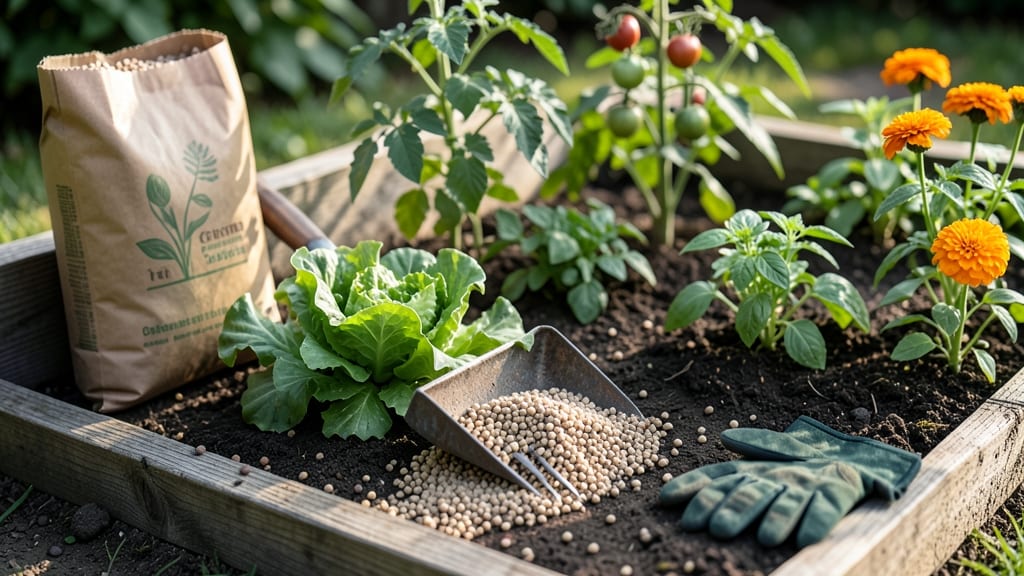
You should fertilize your garden when plants are actively growing and absorbing nutrients most efficiently — timing matters more than you might think.
Timing your garden fertilization isn't just about throwing nutrients into the soil—it’s about unlocking peak growth when your plants need it most. Get the schedule wrong, and you’ll waste fertilizer or stunt your harvest.
For most General Garden 🌱 plants in Zone 6a, the best times are early spring (just as new growth starts) and mid-summer (when heat stress can deplete soil nutrients). But perennials, vegetables, and flowers each have their own ideal windows.
Below, I’ll break down the exact seasonal schedule by plant type, plus how to spot when your garden is begging for a boost — and when to hold off.
Best fertilization schedule by season: spring, summer, fall, and winter
Fertilizing your garden at the right time is like giving your plants a perfectly timed energy boost—too early, and they’ll waste it; too late, and they’ll miss critical growth phases.
The key lies in understanding how seasonal changes affect nutrient needs, especially for cool-season crops like kale versus warm-season powerhouses like tomatoes. I’ve broken down the ideal schedule to maximize growth without overfeeding.
Spring is all about kickstarting growth after winter dormancy, while summer demands consistent feeding during peak production. Fall offers a light touch to prepare perennials, and winter? That’s the rest period when fertilization stops entirely. Let’s dive into the seasonal rhythm that keeps your garden thriving year-round.
In spring, focus on pre-planting fertilization to replenish nutrients lost over winter. For cool-season crops like broccoli or spinach, apply a balanced fertilizer (like 10-10-10) 2-4 weeks before transplanting. Warm-season plants, such as peppers or cucumbers, can wait until after the last frost when soil warms to 60°F+.
Summer is when your garden demands consistent feeding. Heavy feeders like tomatoes and squash benefit from liquid fertilizers every 3-4 weeks to support fruit production.
I recommend side-dressing with compost or using slow-release granules to avoid nutrient spikes that can burn roots. Morning application is best—it gives roots time to absorb nutrients before the heat of the day.
Fall fertilization is all about preparing for dormancy. Perennials like roses or herbs need a light feeding 6-8 weeks before frost to strengthen roots. Use a low-nitrogen fertilizer (like 5-10-10) to encourage root growth without promoting late-season foliage that won’t survive winter.
Stop fertilizing entirely once temperatures drop below 50°F.
Winter is the off-season for fertilization. Dormant plants, including lawns, shouldn’t receive nutrients when they’re not actively growing. Over-fertilizing in cold weather can lead to nutrient runoff or even plant stress.
Instead, focus on soil health by adding organic matter like compost or leaf mold to improve structure for spring.
Pro tip: Soil tests are your best friend! Test your soil in early spring to identify deficiencies. For example, if your tomatoes show yellow leaves, a nitrogen boost might help, but if it’s purple stems, phosphorus is likely the issue.
Adjust your fertilizer blend accordingly—don’t just follow a one-size-fits-all schedule.
For container gardens, fertilize more frequently—every 2-3 weeks during summer—because nutrients leach out faster. Use a water
How to fertilize different plant types: vegetables, flowers, fruits, and lawns
Not all plants have the same hunger for nutrients. Vegetables like tomatoes and peppers need frequent feeding to produce heavy yields, while perennials like hydrangeas thrive with a slow-release approach.
Even your lawn has different timing needs than your annual flowers. Understanding these differences ensures you’re not over- or under-feeding your garden.
Organic fertilizers, like compost or fish emulsion, release nutrients gradually, while synthetic options provide an immediate boost. For example, nitrogen-heavy fertilizers (like 10-0-0) are perfect for leafy greens, while phosphorus-rich blends (like 5-10-10) encourage root and flower development. Let’s break down the best fertilization schedules for each plant type.
- ✅ Vegetables (Tomatoes, Peppers, Lettuce): Fertilize at planting, then every 2-3 weeks during the growing season. Use a balanced 10-10-10 or organic compost tea.
- ✅ Flowers (Roses, Hydrangeas, Petunias): Apply fertilizer twice a year—once in early spring and again after first bloom. Use a phosphorus-heavy 5-10-5 for blooms.
- ✅ Fruits (Strawberries, Blueberries): Fertilize in early spring and again after harvest. Acid-loving plants like blueberries need peat moss or sulfur to lower soil pH.
- ✅ Lawns (Cool-Season vs. Warm-Season): Fertilize 4 times a year—spring, summer, fall, and winter (for cool-season grasses). Use a slow-release 24-0-6 for steady growth.
For vegetables, timing is everything. Start with a balanced fertilizer at planting to encourage root growth, then switch to a high-nitrogen feed (like 12-12-12) once fruiting begins. Tomatoes, for example, benefit from a side-dressing of compost every 3-4 weeks to prevent blossom-end rot.
Flowers often need less frequent feeding but respond beautifully to a phosphorus boost before blooming season. Hydrangeas, for instance, will reward you with bigger blooms if fertilized in early spring with a 5-10-5 blend. Avoid over-fertilizing, though—too much nitrogen can lead to lush foliage but few flowers.
When it comes to fruits, the key is patience. Strawberries should get a light feeding in early spring and again after harvest, while blueberries need an acidic soil environment. Test your soil’s pH first—blueberries thrive in acidic soil (pH 4.5-5.5)—and amend with sulfur or pine needles if needed.
Finally, your lawn deserves a tailored approach. Cool-season grasses (like Kentucky bluegrass) need 4 feedings a year, while warm-season grasses (like Bermuda) do best with 2-3 feedings. Always water deeply after fertilizing to help nutrients penetrate the soil—shallow watering can burn grass blades.