
Companion Plants
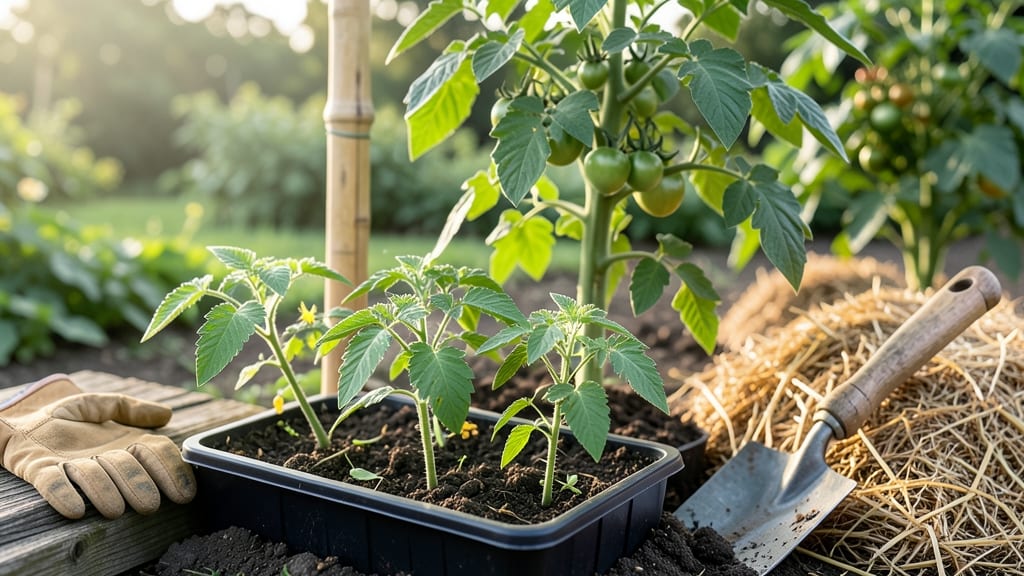
Planting tomatoes in Tennessee at the right time means the difference between a garden overflowing with juicy 🍅 fruit and a sad, frost-nipped failure.
Timing your tomato planting in Tennessee can mean the difference between a bumper crop and a frost-killed disappointment—especially with the state’s diverse microclimates from the Smoky Mountains to Nashville’s urban heat islands.
If you’ve ever rushed seedlings into the ground only to watch them wilt under a surprise frost, you know how critical those last frost dates really are.
Tennessee’s USDA zones 6a-7b give you a starting point, but local variations—like the delayed frosts in Memphis or the earlier chills in the mountains—mean you’ve got to fine-tune your schedule.
Here’s how to nail your planting window, from starting seeds indoors to transplanting outdoors, plus the microclimate hacks that’ll give you an edge over the frost—so you can enjoy tomatoes from June through October.
Tennessee’s tomato planting zones: last frost dates by region (2024 guide)
Timing your tomato planting in Tennessee requires understanding the state’s 8 USDA hardiness zones and last frost dates, which vary dramatically from the mountainous East to the urban heat islands of Nashville and Memphis.
The average last spring frost arrives as early as March 15 in the southernmost zones but can linger until April 30 in the cooler Smoky Mountains. Using NOAA frost data ensures you plant at the optimal time for your specific location.
Tennessee’s USDA zones 6a-7b create a 6-week window for planting tomatoes, but microclimates—like valleys, lakes, and urban areas—can shift your ideal planting date by 2-3 weeks. For example, Memphis (Zone 7b) gardeners can plant tomatoes 3 weeks earlier than those in Bristol (Zone 6a).
Always verify local frost risks using the NOAA Climate Data Portal or your local Cooperative Extension Service for the most accurate dates.
Key factors to consider when planning your tomato schedule include:
- Soil temperature (must reach 60°F)
- Nighttime lows (should stay above 50°F)
- Local frost history (check 5-year averages)
For urban gardeners in Nashville, the concrete heat island effect can delay frost by 1-2 weeks compared to rural areas. Check your local weather station data for precise frost dates, as urban areas often have warmer microclimates than surrounding farmland.
In contrast, elevated areas like the Smoky Mountains may experience frost 2 weeks later than valley regions.
If you’re unsure about your exact last frost date, use the NOAA Climate Data Portal to pull historical frost records for your ZIP code.
For example, Knoxville (Zone 6b) has a 30% chance of frost after April 15, while Memphis (Zone 7b) sees frost-free conditions by March 15 in most years. This data helps you avoid late-season frost risks that can devastate young tomato plants.
Another critical factor is soil temperature. Tomatoes won’t thrive until the soil reaches 60°F, even if air temperatures are warm. Use a soil thermometer to monitor conditions—especially in shady or high-elevation areas where soil warms more slowly.
In Zone 6a, wait until mid-April to plant, while Zone 7b gardeners can start as early as late February with row covers.
For extended harvests, consider succession planting every 2 weeks after your initial planting date. This ensures a continuous supply of ripe tomatoes from June through October. In Zone 7b, you might plant your first batch in March and your last in early June
Direct sow vs. transplanting tomatoes: Tennessee-specific timing strategies
Deciding whether to direct sow or transplant tomatoes in Tennessee depends on your region’s last frost date and your comfort level with seed-starting. For most of the state, transplanting seedlings gives you a head start, especially in cooler East Tennessee zones like USDA 6a.
Meanwhile, direct sowing works well in warmer West Tennessee areas like Memphis, where the growing season stretches longer.
Tomatoes thrive when soil temperatures hit at least 60°F—a critical threshold for both methods. In Middle Tennessee (Nashville), this typically means waiting until mid-April for transplants or late April for direct sowing. Use a soil thermometer to confirm—cooler soils delay germination and stunt growth.
Black plastic mulch or row covers can extend your planting window by 2-3 weeks in all regions. These tools warm the soil faster and protect young plants from late spring frosts. For example, in Chattanooga (USDA 7a), you might transplant as early as late March with mulch, while direct sowing waits until early April.
| Method | Tennessee Regions | Start Indoors | Transplant Outdoors | Direct Sow Window |
|---|---|---|---|---|
| Transplanting | East TN (USDA 6a) | Early March | Mid-April (after frost) | Late April |
| Transplanting | Middle TN (USDA 7a) | Late February | Early April | Mid-April |
| Transplanting | West TN (USDA 7b) | Mid-February | Late March | Early April |
| Direct Sowing | East TN (USDA 6a) | N/A | N/A | Late April |
| Direct Sowing | Middle TN (USDA 7a) | N/A | N/A | Early April |
| Direct Sowing | West TN (USDA 7b) | N/A | N/A | Late March |
If you choose to transplant seedlings, start them indoors 6-8 weeks before your region’s last frost date. For example, in Knoxville (USDA 6a), begin seeds in early March under grow lights.
Harden off seedlings for 7-10 days before transplanting to avoid shock. Burpee seedlings or heirloom varieties like ‘Cherokee Purple’ adapt well to Tennessee’s climate.
For direct sowing, wait until soil temperatures consistently stay above 60°F and nighttime temps exceed 50°F. In Nashville, this usually aligns with early April, but use row covers to protect seedlings if late frosts linger.
Plant seeds 1/4 inch deep and space them 2-3 feet apart for indeterminate varieties like ‘Sungold’.
Extend your harvest by succession planting every 2 weeks after your initial sowing. This works especially well in West Tennessee, where the growing season lasts until mid-October. Use black plastic mulch to retain heat and moisture, which can push your last harvest into November in warmer microclimates.