
Companion Plants
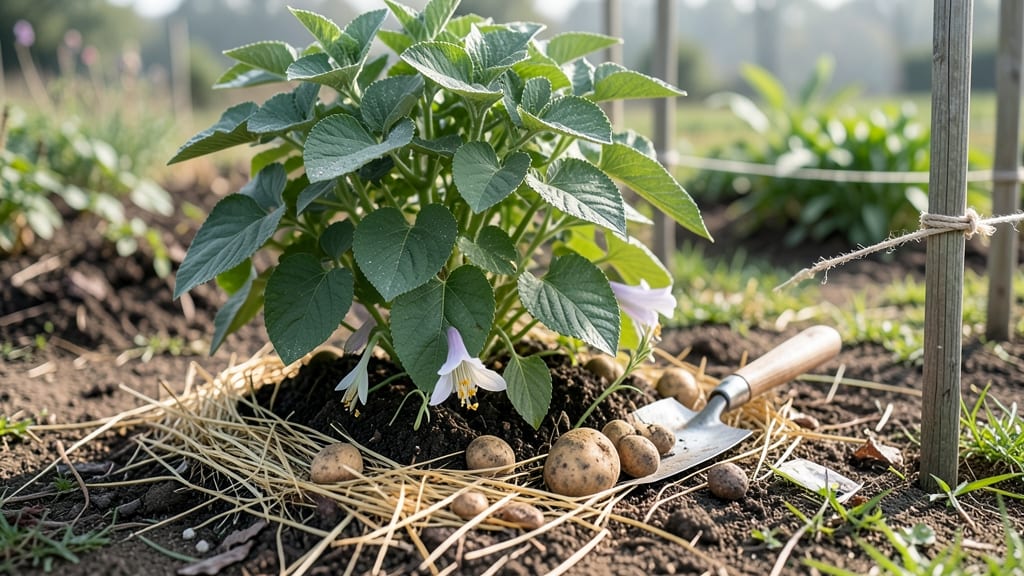
Planting potatoes in Zone 6 at the right time means the difference between a bountiful harvest and wasted seed potatoes rotting in cold soil.
If you’ve ever watched your 🥔 sprouts wither under a late frost or struggle to break ground in chilly March soil, you know timing is everything.
The ideal window is 4-6 weeks before your last frost, but getting it wrong can leave you with stunted plants or no harvest at all.
Zone 6’s unpredictable spring weather makes this even trickier—soil temperatures below 45°F will stall germination, while planting too late risks heat stress before tubers form.
Below, I’ll break down the exact weeks to plant, how to adjust for early vs. late varieties, and the 3 critical signs your potatoes are ready to go in the ground.
You’ll also learn how to protect your crop from frost, when to fertilize for maximum yields, and what to do if you miss the window—because even experienced gardeners get it wrong sometimes.
Zone 6 potato planting timeline: exact weeks before last frost for success
Timing is everything when planting potatoes in Zone 6. The average last frost date hovers around mid-April, but this can shift by 2-3 weeks depending on your exact location. Planting too early risks cold soil and rotting tubers, while waiting too late cuts your growing season short.
For best results, aim to plant 4-6 weeks before your last frost date, when soil temperatures consistently reach 45°F.
Zone 6 gardeners often divide their potato planting into two key windows: early spring (March) and late winter (February) for cold-hardy varieties. Early planting gives you a head start, while late planting extends your harvest options.
The secret? Monitoring soil temperature more than air temperature—potatoes need warmth to sprout, not just frost-free days.
Here’s the golden rule: Plant when you can work the soil without it sticking to your gloves. This usually aligns with mid-March to early April in most of Zone 6, but always check local frost forecasts.
A sudden late frost can devastate young sprouts, so be prepared to cover plants with frost cloth if needed.
For early varieties like Yukon Gold, which mature in 90 days, you can push planting to late March while still ensuring a summer harvest. Late varieties like Russet Burbank need the full growing season, so plant them by mid-April at the latest.
Pro tip: Use a soil thermometer—potatoes won’t sprout until soil hits 45°F, even if air temps are warmer.
Frost isn’t just about the last freeze—it’s also about soil moisture. Wet, cold soil can suffocate potato sprouts. Amend your beds with compost or aged manure 2-3 weeks before planting to improve drainage. If your soil stays soggy, consider raised beds or mounding soil around plants to create warmth.
Don’t overlook light frost warnings after planting. Young potato plants can tolerate 28°F for short periods, but prolonged cold will stunt growth. Use row covers or straw mulch to protect sprouts. I’ve seen gardeners lose entire rows because they ignored a 30°F forecast—don’t make that mistake!
If you’re planting seed potatoes (not sprouted), chill them in the fridge for 4-6 weeks before planting to encourage uniform sprouting. This trick helps all your potatoes start growing at the same time, leading to a more even harvest.
Store them in a cool, dark place until you’re ready to plant.
For second-crop potatoes, plant again in early May after the last frost. Choose faster-maturing varieties like Red Norland (70-90 days) to squeeze in a harvest before winter. Just be sure to harvest these by late July to avoid tuber formation in cold soil.
Remember: Zone 6’s growing season is short. Every day counts! Plant early, monitor soil temps, and protect your crop from late frosts. With the right timing, you’ll pull golden, firm potatoes from your garden by July or August—worth the effort!
How to adjust planting dates for early vs. late varieties in Zone 6
In Zone 6, timing your potato planting depends entirely on whether you’re growing early-maturing varieties like Yukon Gold or late-maturing types like Russet. Early varieties need cooler soil and shorter growing seasons, while late varieties thrive with warmer soil and extended harvest windows.
Let’s break down the exact adjustments you’ll need to make for each.
For early-maturing potatoes (60–90 days to harvest), aim to plant 4–6 weeks before your last frost date—typically in late March to early April in Zone 6. These varieties, like Red Pontiac or Kennebec, benefit from cooler soil (45–50°F) and can tolerate light frosts.
Late-maturing varieties, however, need warmer soil (50–60°F) and should go in 2–4 weeks after your last frost, usually mid-April to early May.
⚠️ Comparison Table: Early vs. Late Potato Varieties in Zone 6
| Variety Type | Planting Window | Soil Temp | Harvest Time | Key Adjustment |
|---|---|---|---|---|
| Early (60–90 days) | 4–6 weeks before last frost (Late March–Early April) | 45–50°F | June–July | Plant earlier; mulch heavily to prevent frost damage. |
| Late (90–120 days) | 2–4 weeks after last frost (Mid-April–Early May) | 50–60°F | July–August | Wait for warmer soil; space farther apart for larger tubers. |
Soil preparation is another critical adjustment. For early varieties, focus on light, well-draining soil with added compost to retain moisture. Late varieties, however, benefit from warmer, looser soil—amend with aged manure or peat moss to improve drainage and encourage tuber formation.
Both types need full sun (6+ hours daily), but late varieties may require staking or hilling to support their larger foliage.
Harvest timing also shifts based on maturity. Early varieties like Yukon Gold are ready when foliage yellows around June–July, while late varieties like Russet may not be fully mature until late July–August.
To avoid missing the window, mark your planting dates and track days to maturity from your local frost forecast. For late varieties, consider a second planting in early June for a fall harvest.
One common mistake in Zone 6 is planting late varieties too early, which can lead to blight or stunted growth from cool, wet soil. Conversely, early varieties planted too late may not mature before summer heat sets in.
Use a soil thermometer to verify temperatures before planting—this simple tool can save your harvest. For extra insurance, cover early plantings with frost blankets if late frosts threaten.
Adjusting your planting dates for early vs. late varieties isn’t just about timing—it’s about matching your soil conditions, harvest goals, and local climate quirks. In Zone 6, this means planting early varieties in cool, moist soil and late varieties in warmer, well-drained beds.
With these adjustments, you’ll maximize yields and avoid the frustration of wasted seed potatoes.