
Companion Plants
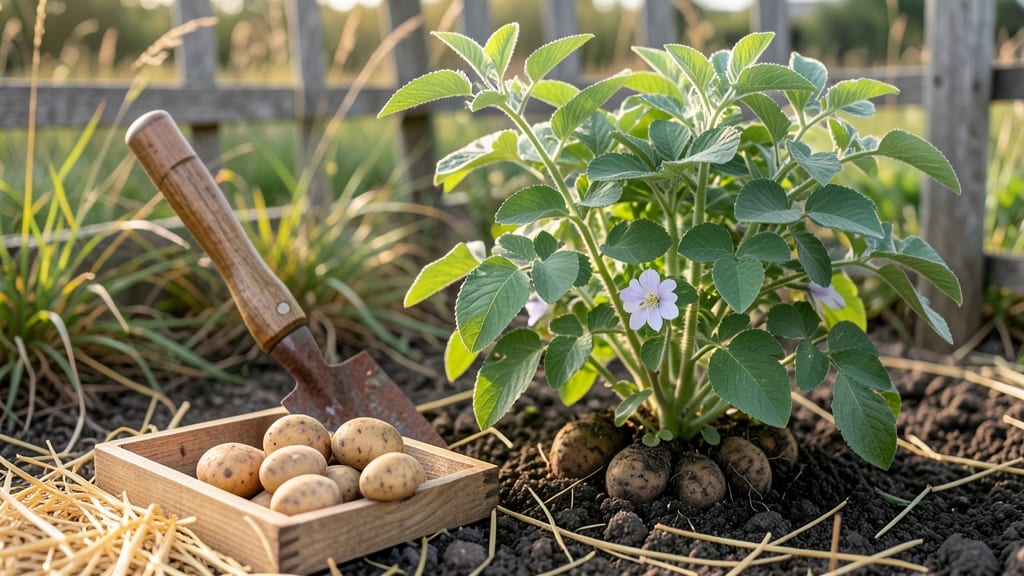
Planting potatoes in Ohio at the right time is the key to avoiding frost damage and unlocking a bountiful harvest.
Ohio’s unpredictable spring weather can turn your potato planting into a gamble—unless you know the exact timing to avoid frost damage and maximize your harvest.
With average last frost dates ranging from mid-March in southern Ohio to early May in the northern regions, timing matters more than you might think. Plant too early, and a late frost could wipe out your crop; too late, and your potatoes may not mature before summer heat sets in.
In this guide, I’ll break down the ideal planting windows for Ohio’s USDA Zones 5–7, share the best varieties for your region, and offer pro tips to extend your growing season without risking frost. Ready to grow your best crop yet?
Ohio’s last frost dates: the critical window for planting potatoes
Ohio’s spring weather is famously unpredictable, with frost dates that can shift by weeks from year to year. For potatoes—cold-sensitive tubers that need warm soil to thrive—timing is everything. Plant too early, and a late frost will kill your sprouts.
Plant too late, and your harvest might not mature before Ohio’s first fall frost (typically late September to early October). The key is understanding your local frost zone and calculating your 2-4 week planting window before the last frost.
Ohio spans USDA Zones 5-7, meaning northern counties (like Ashtabula or Erie) face later last frosts than southern regions (like Cincinnati or Lexington). According to Ohio State University Extension, the average last spring frost ranges from April 15 in southern Ohio to May 1 in the north.
However, these dates are just averages—your actual planting window depends on your microclimate and recent weather patterns.
To pinpoint your optimal planting window, subtract 2-4 weeks from your area’s last frost date. For example, if your last frost is April 30, aim to plant between March 15 and April 15.
This gives your potatoes enough time to sprout and establish roots before temperatures stabilize. In northern Ohio, where frosts linger longer, you might need to wait until late April or early May to avoid frost damage.
Here’s how to calculate your personalized planting window:
- Check your local frost dates using the summary table below or resources like the Old Farmer’s Almanac or NOAA climate data.
- Subtract 4 weeks for early varieties (like Yukon Gold) or 2 weeks for late varieties (like Kennebec).
- Adjust for soil temperature: Potatoes need soil at 45°F or warmer. Use a soil thermometer to confirm.
If you’re planting seed potatoes (not sprouted), you can start them indoors 4-6 weeks before your last frost date to get a head start. Place them in a cool, dark location (like a basement) until sprouts are 1-2 inches long, then transplant them into the garden.
This trick works especially well in northern Ohio, where the growing season is shorter.
For fall planting, Ohio’s first frost typically arrives between September 20 and October 15. If you’re growing late-maturing varieties (like Russet Burbank), you can plant seed potatoes in early summer (June) for a fall harvest.
However, this method requires consistent watering and protection from late-season pests like Colorado potato beetles.
Pro tip: Monitor local weather forecasts and use frost-free date calculators from the National Weather Service or Ohio State University. In my garden, I’ve found that planting 2 weeks before the average last frost gives my potatoes enough time to establish while still avoiding frost damage.
For example, in Zone 6 Columbus, I plant around April 1 for a July-August harvest.
Remember, soil temperature matters more than air temperature. Use a soil thermometer to confirm your soil is at least 45°F before planting. Cold soil can stunt growth and increase the risk of disease.
If your soil is too cold, wait a few more days or use black plastic mulch to warm it faster.
Finally, keep an eye on historical frost data. Ohio’s climate has shifted in recent years, with some areas experiencing earlier springs or later frosts. Check with your local cooperative extension office
Best potato varieties for Ohio’s climate and their ideal planting times
Ohio gardeners face unique challenges with humid summers and unpredictable frosts, making variety selection critical for success. The right potato varieties can mean the difference between a bountiful harvest and wasted effort.
Early-season types like Red Pontiac thrive in cooler soils, while late-season Kennebec potatoes handle Ohio’s heat better. Let’s break down the best options and their optimal planting windows to maximize your yield.
For Ohio’s USDA Zones 5–7, timing is everything. Most gardeners aim to plant 2–4 weeks before the last frost, but the exact window depends on your chosen variety. Early varieties like Yukon Gold can handle cooler soils, while late-season types need warmer conditions.
Humidity-resistant varieties like Red LaSoda are ideal for Ohio’s summers, reducing blight risks. Let’s explore the best matches for your garden.
🌱 Comparison Table: Best Potato Varieties for Ohio
| Variety | Type | Days to Maturity | Planting Window (Ohio) | Disease Resistance |
|---|---|---|---|---|
| Red Pontiac | Early | 70–80 days | March 15–April 15 | Good for humidity |
| Yukon Gold | Mid-season | 80–90 days | April 1–May 1 | Moderate blight tolerance |
| Kennebec | Late-season | 90–100 days | April 15–May 10 | High disease resistance |
| Red LaSoda | Mid-season | 85–95 days | April 1–May 1 | Excellent humidity tolerance |
| Katahdin | Late-season | 90–100 days | April 15–May 10 | Strong blight resistance |
Early varieties like Red Pontiac are perfect for Ohio’s cooler springs, allowing you to plant as early as mid-March in southern Ohio or late March in the north. These potatoes mature quickly, giving you an early harvest before summer humidity peaks.
For a longer harvest window, mid-season varieties like Yukon Gold or Red LaSoda are excellent choices, thriving when planted between April 1 and May 1.
Late-season varieties like Kennebec and Katahdin are ideal for gardeners who want to store potatoes through winter. Plant these after April 15 to ensure they mature before Ohio’s first frost, typically around mid-October.
Their disease resistance makes them low-maintenance in Ohio’s humid climate, reducing the risk of late blight that can devastate other varieties.
If you’re in northern Ohio (Zone 5), prioritize early varieties or use row covers to extend your planting window. Southern Ohio gardeners (Zone 7) can experiment with fall planting for a second harvest, but avoid planting after July 1 to ensure tubers mature before winter.
Always choose certified seed potatoes to avoid disease, and rotate your planting location yearly to prevent soil-borne issues.
For the best results, test your soil’s drainage and pH before planting. Ohio’s clay-heavy soils benefit from compost amendments to improve aeration. Aim for a pH of 5.0–6.5 and plant in well-draining soil to prevent rot.
With the right variety and timing, you’ll enjoy a homegrown potato harvest that rivals store-bought quality—without the guesswork.