
Companion Plants
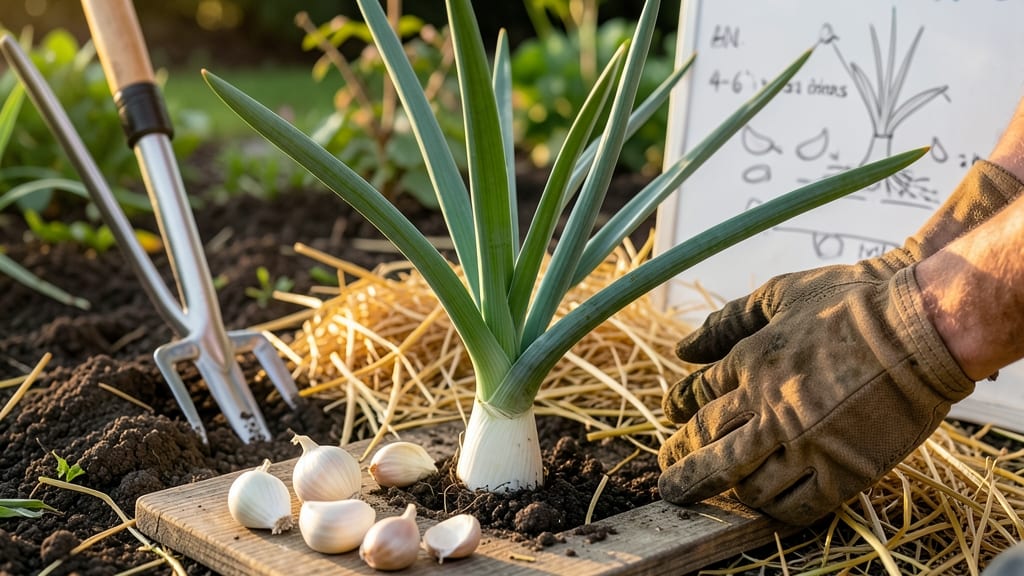
Planting garlic in Zone 6 at the right time ensures a bountiful harvest next summer—miss the window, and you risk weak bulbs or no crop at all.
If you’ve ever watched your 🧄 garlic cloves rot in the ground or sprout too late for a proper harvest, you know timing is everything. Fall planting is the golden rule for Zone 6 gardeners, but hardneck and softneck varieties have slightly different deadlines.
Hardneck garlic thrives when planted in October or early November, while softneck does best in September or late October. The key is getting those cloves in the ground 4-6 weeks before the first hard frost, so they establish roots before winter sets in.
Below, I’ll break down the exact months for your Zone 6a-6b climate, how to prep your soil, and what to watch for when the first green shoots appear in spring.
Best planting months for garlic in Zone 6: hardneck vs softneck breakdown
Planting garlic in Zone 6 requires precision—especially when choosing between hardneck and softneck varieties. The wrong timing can lead to stunted growth or even total failure, while perfect timing ensures robust bulbs ready for next summer's harvest.
Let’s break down the exact calendar windows that work best for each type in your climate.
In Zone 6, your last frost date typically falls around mid-November, while the first frost arrives in mid-April. These dates create a narrow but critical window for planting garlic cloves.
Hardneck varieties thrive when planted 4-6 weeks before the ground freezes, while softneck types need a slightly earlier start. Let’s explore the best months for each.
🌱 Garlic Planting Timeline Comparison
| Variety | Ideal Planting Month | Backup Window | Soil Temp | Key Consideration |
|---|---|---|---|---|
| Hardneck Garlic | October - November | Late September (early) | 40-50°F | Needs cold period for scapes |
| Softneck Garlic | September - October | Early November (late) | 45-55°F | More frost-tolerant |
| Both Varieties | Avoid December | N/A | Below 32°F | Risk of frost damage |
For hardneck garlic, the October-November window is ideal because it allows the cloves to establish roots before winter dormancy. This variety relies on cold temperatures to form scape stalks the following summer, so planting too late can delay or prevent scape production.
Aim to plant 6-8 weeks before your first hard frost—typically by mid-October in most of Zone 6.
If you’re growing softneck garlic, you have a slightly wider margin. Planting in September-October works best, as this type is more frost-tolerant and can handle cooler soil temperatures. Softneck varieties are often chosen for storage, so their slightly later planting window still yields strong bulbs.
However, avoid planting after early November, as the ground may freeze before roots establish.
Your local microclimate plays a huge role in success. If you live in a warmer microclimate within Zone 6 (like near a large body of water), you might push hardneck planting into early November.
Conversely, in cooler pockets, late October could be your cutoff. Always check your average frost dates for precise timing—local weather stations or gardening apps can help.
One common mistake is planting garlic too early. While September works for softneck, planting hardneck before mid-September can lead to premature sprouting or weak bulb formation. The goal is to give cloves time to root but not sprout until spring.
For both varieties, soil temperature should be between 40-55°F at planting depth (4-6 inches). Use a soil thermometer to confirm.
After planting, mulch with 2-3 inches of straw to insulate cloves during winter. This protects them from temperature fluctuations and prevents heaving. In Zone 6, mulch also helps retain moisture during dry spells in early spring.
Remove the mulch in late winter (February) to allow soil to warm and encourage regrowth.
Remember, garlic planted in fall will harvest the following summer—typically July-August in Zone 6. The bulbs need 10-12 months to mature fully, so timing your fall planting ensures you’re ready to harvest when the weather is ideal.
Softneck varieties may take slightly longer, so adjust your planting date if you’re prioritizing storage over early harvest.
If you miss the fall window, you can try spring planting (March-April), but results are often smaller bulbs and lower yields. Spring-planted garlic lacks the cold period needed for full development, so fall planting is always preferred in Zone 6.
For best results, mark your calendar now—October is the prime month for hardneck garlic, while September-October works for softneck.
For a foolproof approach, test a few cloves in late September and others in October to compare growth. This trial-and-error method helps you pinpoint the perfect window for your specific Zone 6 location.
With the right timing, you’ll enjoy plump, flavorful garlic bulbs that outperform store-bought varieties by a mile.
5 Critical factors that determine your perfect planting window
Timing your garlic planting in Zone 6 isn't just about picking a month—it's a science of balancing soil temperatures, frost dates, and daylight hours. These five factors create the ideal window for your cloves to establish roots before winter dormancy.
Missing the mark can lead to stunted growth or even total failure. Let's break down what truly matters for your garlic's success.
First, the soil temperature must drop below 70°F but stay above freezing (32°F). This narrow range signals garlic that it's time to focus on root development rather than leaf growth.
In Zone 6, this typically occurs in late September to early October, but your exact window depends on your local microclimate. Warmer microclimates near buildings or south-facing slopes may stay too warm longer.
Next, first frost dates are your hard deadline. Garlic needs 4-6 weeks of cool soil before the ground freezes solid. In Zone 6, this usually means planting by mid-November at the latest.
However, if your area experiences an early frost (before November), you'll need to adjust your timeline or choose early-maturing varieties like 'Silverskin' softneck garlic.
Soil Temperature (40-50°F)
Ideal range for root establishment. Use a soil thermometer to verify before planting.
Daylight Hours (10-12 hours)
Garlic needs reduced daylight (below 12 hours) to trigger bulb formation. Zone 6 hits this in late September.
First Frost Date (4-6 weeks before)
Plant garlic 6 weeks before your average first frost. Check your local USDA frost map for precise dates.
Local Microclimates (Warm vs Cool Spots)
South-facing beds stay 5-10°F warmer than north-facing areas. Adjust planting dates accordingly—plant earlier in cool spots.
Variety-Specific Needs (Hardneck vs Softneck)
Hardneck varieties (like 'Rockville') need cold vernalization for scapes. Softneck (like 'Artichoke') tolerate slightly warmer soils.
Don't overlook your local microclimates—they can shift your planting window by 2-3 weeks. For example, a south-facing slope might stay warm enough for planting in early November, while a shady valley could require planting by mid-October.
Use a soil thermometer to confirm conditions before committing to a date.
Finally, hardneck vs. softneck garlic has distinct timing needs. Hardnecks like 'German White' thrive with longer cold periods, while softnecks like 'California Early' can handle slightly warmer soils.
If you're unsure, start with hardnecks—they're more forgiving in Zone 6's climate. The right variety paired with the perfect window ensures a bountiful harvest next summer.